 1 hour ago
1
1 hour ago
1
July 6, 2026 — 5:10am
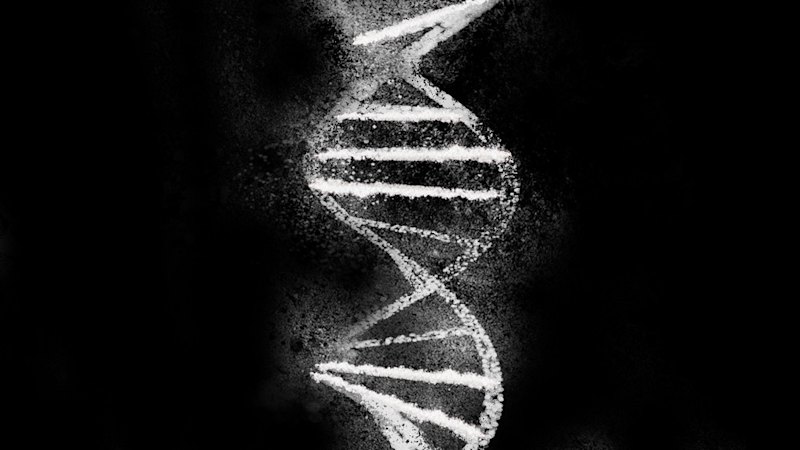
Sydney’s regrettable achievement as the nation’s cocaine capital is in little danger as the Australian Federal Police warn that production of the drug is poised to hit all-time highs as cartels genetically modify the coca plant to produce more crops annually and extract more cocaine.
The AFP made the prediction as United Nations Office on Drugs and Crime’s latest World Drug Report revealed cocaine production had quadrupled over the decade to 2024. The report notes this is largely driven by increases in productivity and the area under cultivation. In 2014, dealers manufactured 869 tonnes of cocaine from 132,000 hectares of coca bush. By 2024, an estimated 4100 tonnes of cocaine were manufactured from less than 385,000 hectares of coca bush.
Cesar Alvarez, Charles Sturt University lecturer in terrorism and security studies, told Amber Schultz of the Herald that improved farming techniques aside, Colombian government’s policies pulling back on coca plant eradication in favour of peace negotiations with criminal groups played a larger role.
Either way, the expected bumper harvests will surely further Sydney’s dark addiction.
The Australian Criminal Intelligence Commission reported wastewater analysis show NSW accounts for more than a third of the 8000 kilograms detected in 2024-25. The commission estimated cocaine use in the state jumped 18 per cent that same year.
The growing fondness for what was once the “party” drug of choice goes unhindered as law enforcement agencies struggle to stop the illegal trade.
An international joint investigations team consisting of Australian and New Zealand law enforcement agencies and the Colombian police was formed this year to help stop illicit drug shipments coming to the region. There are occasional successes.
Late last month, the AFP recorded its largest cocaine bust in history at 2.7 tonnes, with an estimated street value of more than $800 million. The drugs were concealed in underground bunkers hidden beneath shipping containers at a Londonderry property.
The public perception of cocaine has been transformed from a “party” drug for affluent members of society and high-profile members of the entertainment industry to one associated with a range of potentially serious and dangerous health problems.
We know it harms, yet celebrate the drug in film and song, and while many might think it’s just part of a big night out, the reality is your “party” line is the end product of a dark underworld of crime, murder, exploitation and addiction.
The lucrative cocaine trade may be worth billions, but the profits are hugely costly for wider society. The need to fund health, welfare and law and order programs designed to address the insidious effects of cocaine and other illegal drugs is passed on to the many Australians who, neither addicted nor “party” drug users, are unfairly forced to pay through the nose.
The US singer JJ Cale presciently warned cocaine deceptively promised both a good time and betrayal. Fifty years later, Sydney is paying the price of an addiction it really needs to shake.