 1 hour ago
3
1 hour ago
3
Major oil and gas companies have been put on notice that Labor will have “no hesitation” extending an emergency sector-wide levy to pay for the $200 million removal of a disused oil platform from Australian waters if its cash-constrained owners are unable to fund it.
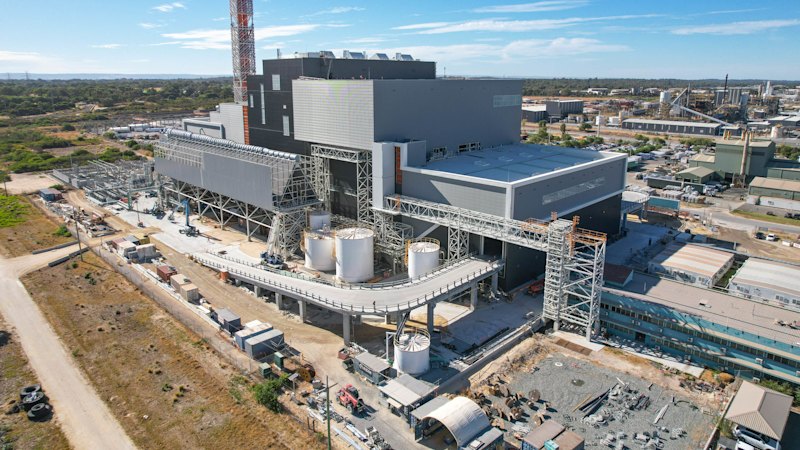
The warning follows the voluntary administration of ASX-listed explorer Pilot Energy, which has plunged the future of the Cliff Head oil platform – 11 kilometres off Dongara in Western Australia – into uncertainty.
National environment groups warn the collapse looms as a “live test” of federal offshore regulations they say remain too weak to prevent smaller, under-capitalised operators from shifting massive clean-up liabilities onto the public.
However, the Albanese government is vowing that taxpayers will not be left footing the bill. Federal Resources Minister Madeleine King on Wednesday declared she would readily extend a levy first introduced in 2021 to cover the clean-up of the Northern Endeavour if required.
The Northern Endeavour was a decrepit oil vessel offloaded by Woodside Energy to a company that subsequently went broke and exposed taxpayers to a $1 billion-plus decommissioning bill.
The former Coalition government ultimately passed those costs back to the wider oil and gas sector via an industry-wide production charge.
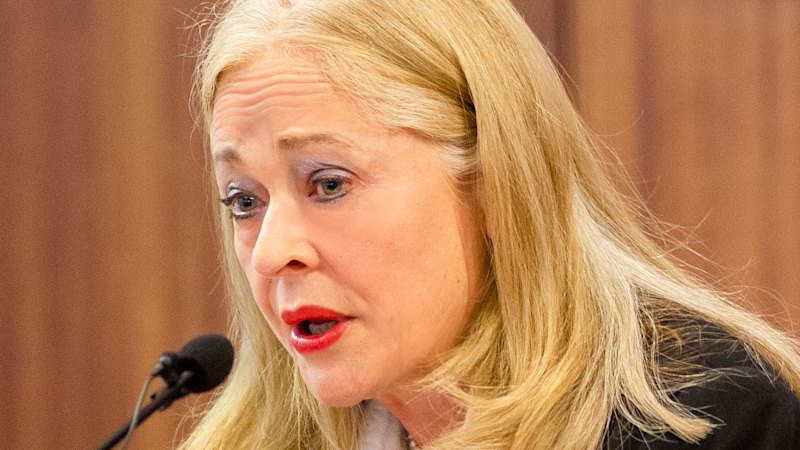
“In the event of companies being unable to pay, I will have no hesitation in extending the Northern Endeavour levy or taking other measures to cover all costs for decommissioning,” King said. “Under no circumstances will taxpayers be left on the hook.”
Because Australian offshore environment regulations dictate that remaining joint-venture owners are fully liable if one partner fails, the Cliff Head oil platform’s decommissioning liability would land on Pilot’s partner, Triangle Energy.
However, both companies are market “minnows” with a combined sharemarket valuation representing less than 5 per cent of the estimated $200 million price tag for the clean-up, raising doubts that either has the financial means to fund it.
As Cliff Head’s oil production dwindled to a halt in 2024, Pilot Energy had agreed to buy Triangle’s 78 per cent stake in the project to convert the depleted oil field into a speculative carbon capture and storage facility. The Albanese government backed the idea, awarding Pilot Energy a $6.5 million Commonwealth grant, of which a $3 million instalment was paid in August 2024.
Pilot Energy called in administrators from restructuring and advisory firm Cor Cordis on Tuesday after an “extensive process” to secure extra funding and a strategic partner to support the development of the Cliff Head project. The administrators said they had launched an urgent review of the company’s operations and obligations under the joint venture agreement, and would work closely with employees, regulators, lenders and creditors.
“We recognise the strategic importance of the Cliff Head Project and will work constructively with all stakeholders throughout the administration process as we assess the available pathways,” Cor Cordis partner Jeremy Nipps said.
Environmental groups have slammed the situation as a failure of government oversight and described Pilot Energy’s collapse as a “live test” of Australia’s decommissioning laws.
“This is a textbook case of decommissioning risk being quietly shifted onto whichever company is least able to bear it,” Wilderness Society corporate campaigner Amanda Holly said.
“A small, financially fragile company has ended up responsible for an estimated $200 million clean-up bill, while clearly lacking the funds to pay for that work.”
The Market Recap newsletter is a wrap of the day’s trading. Get it each weekday afternoon.