 1 hour ago
3
1 hour ago
3
July 13, 2026 — 5:00am
Elon Musk’s SpaceX is one of the most polarising companies in the investing world, as you might expect for a loss-making business led by a divisive billionaire who wants to colonise Mars.
Highly paid experts disagree wildly on what it might be worth. Morningstar valued it at about $US780 billion ($1.1 trillion), roughly half of where it floated last month, while one extremely bullish Wall Street analyst has a price target that would value the company at a staggering $US10.5 trillion.
Australia’s richest person, Gina Rinehart, is a fan – she invested $US1 billion ($1.4 billion) in SpaceX shares last month and heaped praise on Musk (Rinehart is also a prominent backer of conservative causes, as is Musk). On the other hand, billionaire investor and well-known market bear Jeremy Grantham has said there’s a 90 per cent chance the stock will crash.
Despite the divergent views on the company, however, one thing we can be much more confident about is that we’re all highly likely to be exposed via superannuation.
Super funds always find it hard to avoid investing in the biggest listed companies in the world, and SpaceX is no exception. To be fair, most funds will have pretty small holdings at the moment. The average super fund member probably has about $50 in exposure to SpaceX, the Association of Superannuation Funds of Australia has estimated.
Super funds will no doubt increase their SpaceX holdings as the company is included in more share indices, such as the Nasdaq 100, which welcomed SpaceX last week.
Does this strike you as peculiar, that retirement savings are being funnelled into such a speculative bet when the financial world is also debating whether many big technology stocks are in bubble territory?
It shouldn’t. Super funds invest in all sorts of high-risk ventures in their quest for good returns – some pay off and some don’t. I’m not pretending to know if SpaceX is a winner or a dud. Funds always need to make investments that are in their members’ interests. However, there is logic to super funds having a small amount of exposure to huge companies like SpaceX, just in case it takes off as Musk’s Tesla did, despite concerns about its high valuation.
However, there’s also a live debate over whether our current policy settings have encouraged too much of a “follow the herd” investor mentality in super through something known as “index hugging”. More on that later.
SpaceX, which pulled off the biggest sharemarket float in history last month, passed a key milestone last week when it was admitted to the Nasdaq 100, an index of non-financial companies on the Nasdaq exchange. That may sound arcane, but it means many more people will automatically start owning the stock.
One way this happens is via index funds: money managers that don’t bother with picking individual stocks but instead buy a portfolio that matches an index. Once a share is in the relevant index, these funds have no choice but to buy it. Index funds have proven hugely popular in recent years, and for good reason. They offer a low-cost way of investing without trying to beat the rest of the market and pick winners, which is statistically very difficult to do in the long-term.
Index inclusion is also likely to attract more interest from professional fund managers, who are used by super funds to manage some of their members’ money. So far, SpaceX isn’t part of the most prominent US sharemarket index, the S&P500 – that’s not expected to happen until next year. But as the company becomes part of more indices, more people will inevitably own it, and our super funds are no exception.
What about the fact that many people think SpaceX is overvalued? Should that deter super funds from investing?
In truth, debate about its valuation may not make a huge difference in the long term, because many super funds tend to invest broadly in line with market weightings. So if the market thinks SpaceX is worth $US2 trillion, you can bet super funds want to have a piece of this company, despite fears it could be overvalued.
People in the finance world love debating whether something is a bubble, but turning that discussion into investment wins is hard. That’s because picking when a bubble may burst is extremely difficult.
Even if you suspect a particular market is in bubble territory, there’s a chance it might just keep on inflating, leaving you to miss out on those gains. As economist John Maynard Keynes is credited with saying: “The market can remain irrational for longer than you can remain solvent.”
High-risk hedge funds can afford to make bold calls that go against the market consensus – that’s what investors expect from them.
But it doesn’t make sense for a lumbering super giant that’s meant to churn out solid returns for decades to make such bold bets. It’s not what members expect; if the fund is wrong and misses out on a market rally, its performance will lag and members may move their money elsewhere.
There’s another reason why super funds have an incentive to follow the investor herd, and that is the annual performance test. Since 2021, the industry regulator has assessed default funds’ returns against various market benchmarks.
The performance test was meant to weed out dud funds: those that fail the test are publicly named and shamed, and if they fail two years in a row, they must close to new members.
But while its intentions were good, finance types complain that it encourages funds to simply try to mimic the benchmark against which they’re compared. In the stock-picking world, it’s known as “index hugging,” as opposed to actively trying to find the best companies to invest in.
Critics argue that “index hugging” makes super funds too passive in their investment choices. They say funds lean towards the safety of index investing, rather than making longer-term bets on new businesses that may eventually pay off for members. Treasurer Jim Chalmers launched a process to strengthen the performance test in May, after big investors suggested a change to the regime at last year’s economic roundtable.
It wouldn’t be surprising if the performance test is tweaked to give super funds a bit more flexibility. But I’d argue it also makes sense for the funds to do some amount of passive investing, because investing in the index can also be a winning strategy that delivers good returns.
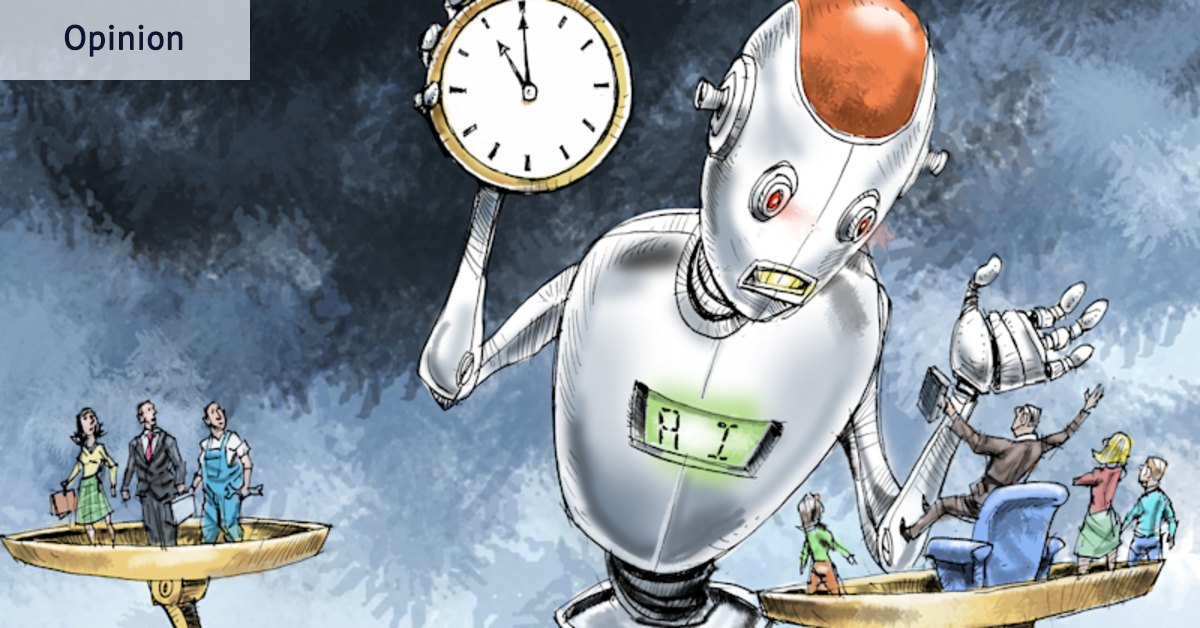
As a result, we should expect that super funds will keep on having exposure to the stocks that constitute a significant part of sharemarket indices, including much-hyped AI businesses that may or may not deliver on the market’s sky-high hopes.
Our $4.4 trillion pile of super money is far too big for Australia, so it needs to chase returns in markets around the world. Inevitably, that will drive some amount of super money into highly speculative businesses like SpaceX, no matter how much these companies (or their founders) divide investors.
The Business Briefing newsletter delivers major stories, exclusive coverage and expert opinion. Sign up to get it every weekday morning.