1 hour ago
3
1 hour ago
3

The ship: Heritage Adventurer
- The cruise Sub-Antarctic territories of New Zealand and Australia
- Launched 1991
- Passengers Up to 140
- Crew 80 plus 20 expedition crew
- Decks Eight (including the outdoor observation deck)
- Length 124 m
Heritage Adventurer has a storied history, having moved through several owners and operators in the 35 years since it launched. Most infamously, the ship (then called the RSGS Resolute) was chartered by One Ocean Expeditions prior to the company becoming insolvent in 2019, leaving a series of creditors including crew and debts for fuel owed at various South American ports. During a relocation to the Caribbean, where it was set to be sold, it was approached by the Venezuelan navy and ordered to enter Venezuelan territory. While the captain sought advice from head office, the crew of the navy vessel took matters into their own hands and rammed the Resolute. Unfortunately, the naval crew didn’t realise the ship has the highest ice-breaker class rating (1A Super) and it cut through the Venezuelan vessel like a hot knife through butter, crippling it. New Zealand-based Heritage Expeditions acquired the Resolute on a long-term contract in 2021, performing a major refurbishment and reducing the capacity from 184 passengers to 140.
Boarding
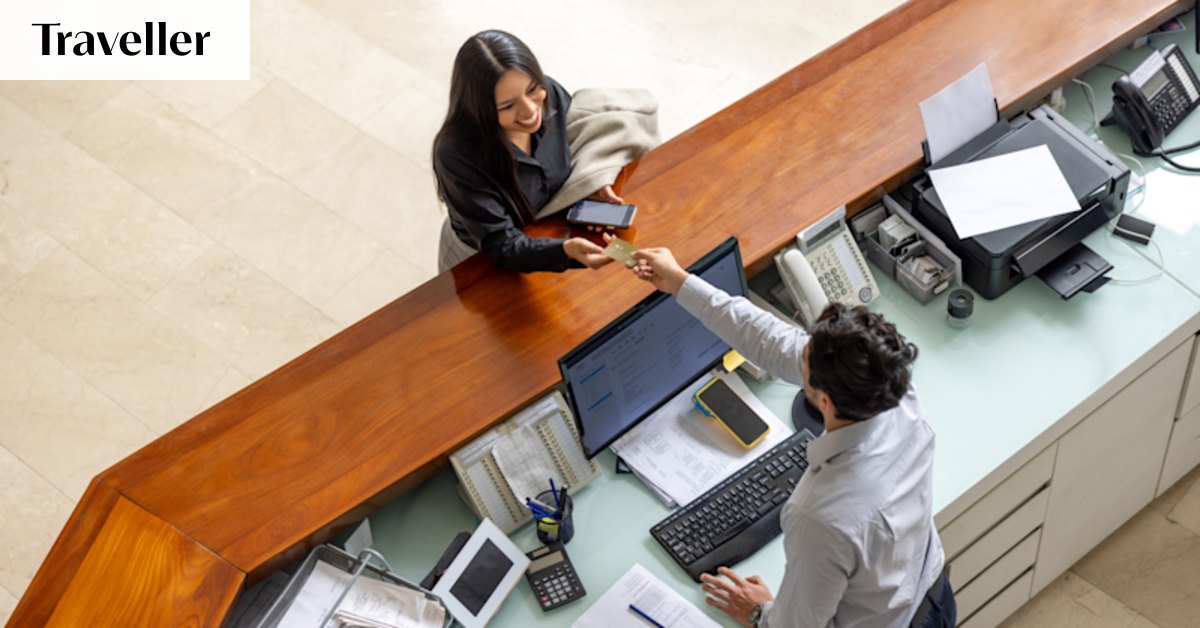
This is an unusual boarding process as we check in for the ship the day before departure, in the lobby of the Holiday Inn Remarkables in Queenstown. Overnight accommodation, dinner, breakfast and lunch are provided before we depart for Bluff, at the southern tip of New Zealand’s South Island, by bus about 1pm the next day. It’s a scenic three-hour drive and, once we arrive at Bluff’s port, we step straight off the bus and onto the ship’s gangway. Our luggage, which has come separately, is already waiting in our rooms.
Sign up for the Traveller newsletter
The latest travel news, tips and inspiration delivered to your inbox. Sign up now.
The design
Built in Finland, the ship’s design is practical first. The art, around the corridors and in the rooms, fittingly consists of photographs of the locations the ship visits and the wildlife found there. The common areas are comfortable and have modern furnishings but little style to speak of.
The spaces
This is an expedition ship, built for purpose. There’s an observation lounge with panoramic views above the bridge. It’s also home to the ship’s library, which features extensive material on the destinations and wildlife. There is a pool and hot tub, but these are mostly unavailable due to the swell and strong winds (and it would be a game passenger who would want to take a dip in the pool in this climate). The ship also cruises remote parts of Indonesia and the Kimberley, where I’m sure the pool gets put to more use.
The theatre on deck three is too small to accommodate all passengers, so presentations and information sessions are done in the lounge, with its bar and tea/coffee facilities, instead. There are outdoor decks at the rear and on the top level. The bridge is open to passengers most of the day, as long as they keep out of the way and don’t touch anything.
The stateroom
My deck 5 room features a king-sized bed, ample wardrobe space for my clothes and heavier gear, an L-shaped couch, a desk and a television that’s mostly used for displaying the daily program along with the day’s menus, position of the ship and weather, though there is a selection of documentaries available to watch on demand. Cabins are midship, which helps reduce the impact of the seas. On this sailing the ship tends to pitch bow to stern when cruising through waves. There are no balconies on board, but given the waves are large enough on the way down that my window is soaked at times, it’s understandable on a ship built for challenging conditions. Power points are European so bring adapters.
The food
There are two dining areas, the main dining room and the more casual bistro. Main meals are typically hearty fare befitting the cold weather on this voyage – lamb shanks, curries, soups and pastas. Alcoholic drinks are included during meals but come at additional cost outside these hours (though they are surprisingly cheap). The bistro features the same menu every day, with burgers, sandwiches and wraps. The food is very good, if not quite at the level of some of the luxury lines that put a big focus on their dining options, but the passengers I speak to are impressed with the quality of the meals (a Kiwi remarks to me on the high quality of the lamb, adding “I know my lamb”).
Wellness
There is a small spa and gym on board and I’m a bit surprised to find some of the passengers actually make use of the latter, given the days ashore are quite tiring. There’s also a sauna if you’re feeling the cold.
Entertainment
On a journey like this, the entertainment is out your cabin window, not on board the ship. When we’re at sea, members of the expedition team give lectures on various areas of speciality (flora, fauna, geology and history among them). But the real entertainment happens when you get off the ship. Excursions are included, and that means boarding Zodiacs for cruises in the shallows, making landings, hiking and more.
The reduction of passenger capacity to 140 means that, with 14 Zodiacs, it’s possible for everyone to be off the ship at once. Some of our off-ship journeys are limited to shoreline cruises, like at the extremely rugged Snares Islands, but at most stops we are able to go ashore with guides splitting us into small groups. This includes visits to the Auckland Islands, the albatross favourite Campbell Island and the extraordinary Macquarie Island, filled with king and royal penguins and enormous elephant seals.
The crew
The crew consists of a diverse, multinational hotel team who look after the meals and cabins and are pleasant and efficient. The expedition team is a mix of Kiwis, Aussies and Brits, many with specific areas of interest (birds, geology, history). Some have been to the islands as many as 20 times, while others are on their first visit to the region.
The verdict
While Heritage Adventurer may not offer the luxury of some of the higher-end ships cruising the ends of the earth, it’s also not as expensive. An excellent and knowledgeable crew, combined with itineraries that visit some truly extraordinary places, make this ship a winner for the adventurous cruiser.
The details
Heritage Expeditions’ Galapagos of the Southern Ocean 12-day cruise through the sub-Antarctic islands has departures this year on November 22 and December 17, starting from $15,655 per person including all meals, expeditions, accommodation in Queenstown and transfers to Bluff. Various other cruises will also visit sub-Antarctic islands. See https://www.heritage-expeditions.com
Our rating out of five
★★★★
Swell
The efficiency with which passengers are loaded on and off Zodiacs means there’s not much waiting around.
Not so swell
The swell. This is a rough part of the ocean, so take sea sickness medication with you. That said, I was surprised to find there are very few sea days on this voyage – most sailing is done at night so you are on land for extended periods on most days.
The writer travelled as a guest of Heritage Expeditions.