 1 hour ago
3
1 hour ago
3
July 13, 2026 — 5:00am
I discovered Highgate Hill about 25 years ago as an undergraduate craving more cultural excitement than college campus life could provide.
To my naive eyes, Highgate Hill epitomised sophisticated city counterculture. More bookish than West End; grittier than St Lucia; its sprawling Queenslanders housed students in informal share arrangements, immediately identifiable to passers-by from the wafts of incense and Nepalese peace flags framing the verandas.
The romance of Highgate Hill student life was all about barefoot young men in fedoras with low-slung guitars “reading” Sartre or Pynchon. Hours spent not-studying in coffee shops. Impromptu house gigs and poetry slams.
Those memories now make me cringe. In fairness, university-me would probably cringe at current-me, recently returned to Highgate Hill as one half of a heavily mortgaged professional couple chasing a Brisbane State High School catchment address, so I suppose it’s quid pro quo.
Our postcode, 4101, is shared with livelier, larger suburbs – West End, South Brisbane and Dutton Park – bounded on the south by the Brisbane River. Highgate Hill’s key point of difference is in the name. Our precipitous topography is a daunting proposition for walkers and cyclists, especially in the peak of summer.
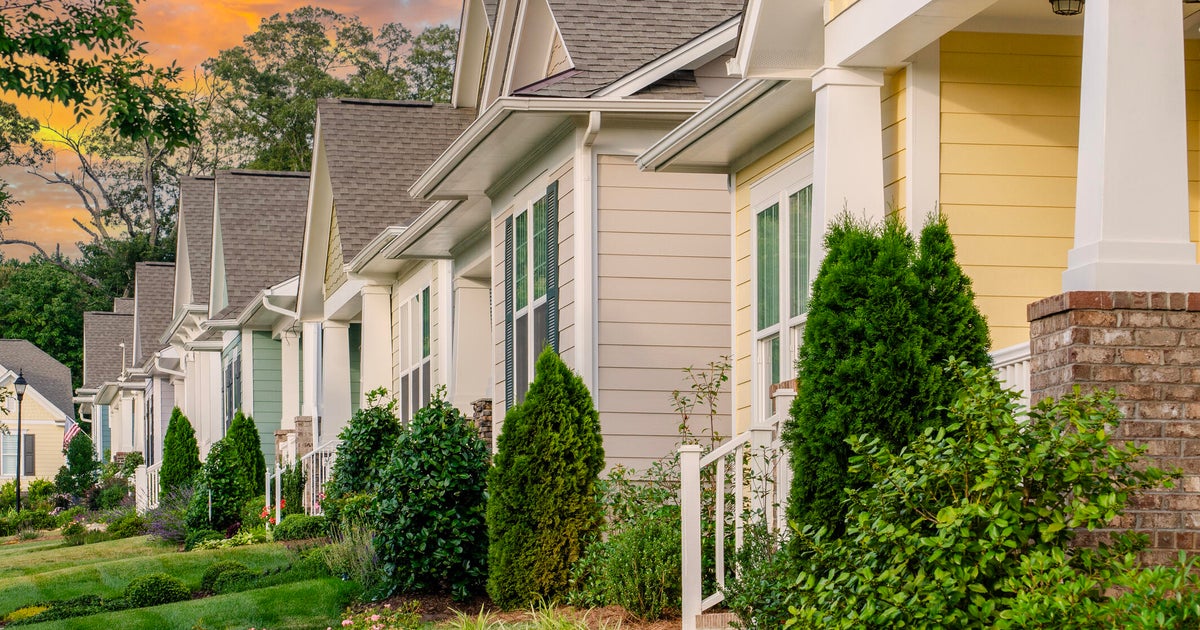
Like all inner-city suburbs, we are contending with the dilemmas of gentrification and development. Highgate Hill has perhaps coped better than others because high-density housing has been zoned since at least the mid-20th century. High- and mid-rise buildings sit mostly comfortably alongside historic homesteads, but the balance is delicate.
For me, Highgate Hill’s motley streetscapes make it truly special. It is full of unexpected little lanes, pathways and dead ends hemmed into the hillside. The river side has nail-bitingly steep hills and narrow, serpentine roads connected by pedestrian back paths. The houses are fascinating to survey from the street: modernist palaces ripped from the pages of Architectural Digest; grand, decaying mansions that evoke Grey Gardens; subdivided colonials that look like a house but have six letterboxes; and modest, quirky, inviting family homes that have resisted the tide of development.
Interspersed are wild, barely traversable urban rainforest gullies where fig trees and vines have conquered the stormwater channels and the collapsed ruins of brick edifices. These patches of nature are connected by a narrow rim of forest that runs along the river (and is apparently lorded over by a reclusive one-metre goanna).
The heart of our suburb is the aptly named Highgate Hill Park, a square patch on a slope that becomes steeper as it descends. Gazebo at the top, bijou community garden to one side, and Brisbane’s first high-rise apartment block, the mid-century treasure Torbreck, to the other.
The site marks the convergence of two ancient Aboriginal trails. And converge we do. Every weekend at dusk, families, couples and solo travellers gather on the hill’s crest with their picnic blankets and wine, taking in the city views while kids toboggan down the grass slopes on sheets of cardboard.
We fretted initially about moving here with two young children: bustling roads, high traffic, dense population. In truth, we don’t notice the noise. Walking in the evening, music from the houses brings the night alive, our neighbour practising his trombone, or the tinkering of a child playing major scales on the piano. It’s no coincidence that this suburb is rich in appreciation for the arts. There’s culture in every direction from here: Queensland Ballet, QPAC, Metro Arts, the Princess Theatre. The charming eccentricity of many houses (and some occupants!) signals that the bohemian spirit of decades past is still very much alive.
In summer, the musical notes are complemented by humid air scented with star jasmine and frangipani; distinctly Brisbane aromas (at least to my Toowoomba-trained nose).
My caffeine-addict husband is spoiled by the excellent coffee available at local joints Lucky Duck and The Little Green Room (and the fantastic Justine at Posto, which sits just within the West End boundary). Occasionally, we can persuade Mum or another family member to wrangle the kids while we head down to Pilloni or August for fine dining and try to remember how to have an adult conversation. And for nearly 20 years now, my husband and I have been chowing down on haloumi yiros and lahanodolmades at Greek institution Lefkas. We’re schooling our kids in the tradition.
No suburb is perfect. Last week somebody stole from my front garden a pineapple (my daughter’s favourite) I had been lovingly growing. I hope they bloody enjoyed it.
It’s easy to look past these isolated moments though, when I think about our neighbours like Cathy, so generous with her glorious garden herbs, or Harry, who mows our grass verge, or Laura, who dropped me into the city one morning when my own car wouldn’t cooperate. In these times of uncertainty and rising costs, we share our suburb with kind, friendly folk, and that is priceless.