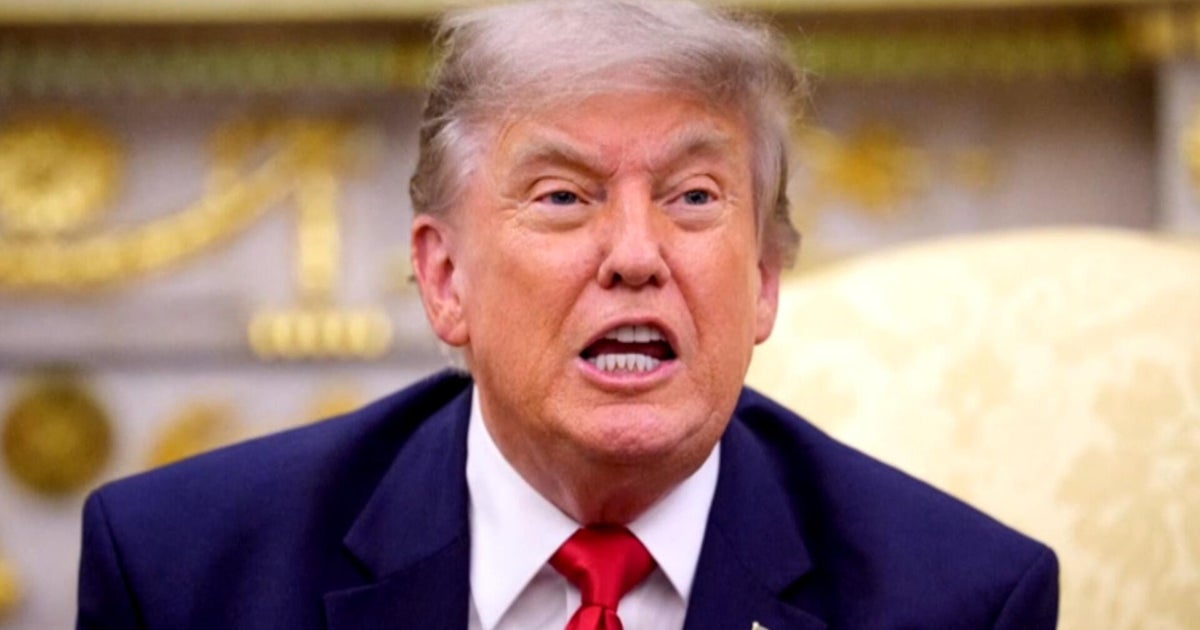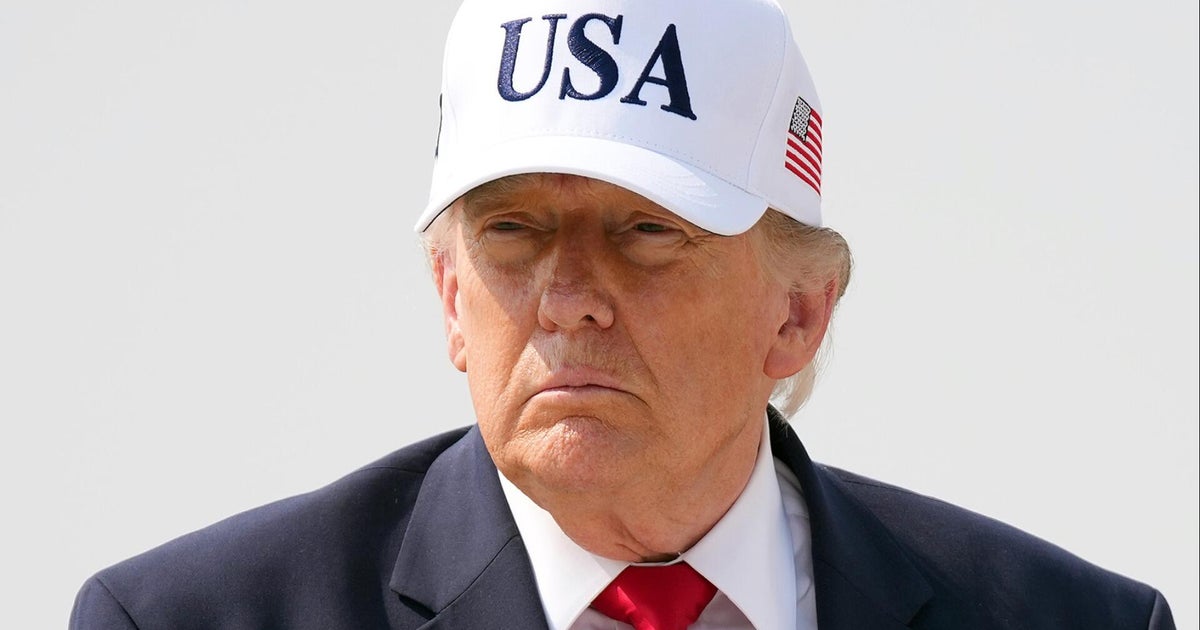
President Trump is planning to visit the Supreme Court on Wednesday as the justices take up his executive order seeking to end birthright citizenship, a major test of his immigration agenda.
The White House's official schedule for Wednesday says Mr. Trump will attend Supreme Court oral arguments at 10 a.m., which — unless he cancels at the last minute — would make him the first sitting president on record to personally view arguments at the high court.
The president hinted to reporters earlier Tuesday that he was planning to attend.
Mr. Trump has floated visiting the Supreme Court for arguments in the past. Last year, he told reporters he felt he had "an obligation to go" when the court took up a case reviewing the legality of his sweeping global tariffs. He ultimately did not attend, writing on Truth Social he didn't "want to distract from the importance of this Decision."
If he attends Wednesday's arguments in Trump v. Barbara, it could underscore the case's importance to the president. Hours after returning to office last year, he signed an executive order seeking to stop the U.S.-born children of undocumented immigrants or people who are in the country temporarily from automatically becoming American citizens.
That order has not gone into effect amid scores of legal challenges. Opponents say it violates the Citizenship Clause of the 14th Amendment, which says: "All persons born or naturalized in the United States, and subject to the jurisdiction thereof, are citizens of the United States." That clause has long been understood to grant citizenship to virtually everybody born in the U.S., with some very narrow exceptions, regardless of their parents' immigration status.
But Trump administration officials have argued the post-Civil War 14th Amendment has been misread, and say the Citizenship Clause was intended to confer citizenship onto former slaves and their descendents, not the children of temporary or undocumented immigrants.
The Supreme Court took up a case involving Mr. Trump's birthright citizenship executive order last year, but the case did not directly address the order on the merits, instead focusing on whether judges' injunctions to block the policy had been too broad. But now, the high court is set to take up the executive order's constitutionality head-on. A ruling could come down by July.
The Supreme Court has a solid 6-3 conservative majority, with Trump nominees making up one-third of the court. But the justices have periodically ruled against the Trump administration in recent months, drawing backlash from the president.
The court struck down many of Mr. Trump's tariffs on foreign imports last month, leading the president to call some of the conservative judges "an embarrassment to their families."
Shortly after that ruling, Mr. Trump predicted on Truth Social that "this supreme court will find a way to come to the wrong conclusion" in the birthright citizenship case, too.
In: