 3 months ago
130
3 months ago
130
Travel fads are nothing new. In medieval Europe visiting the bones of long-dead saints was all the rage. In the early 19th century Romantic poets suddenly got us mad about mountains. Only relatively recently have travellers taken an interest in ancient ruins, winter sports and beachgoing.
The things we take for granted now were once new trends that might have gone the way of pole sitting, goldfish swallowing, marathon dances and pogo sticks. The latter are all fads from the 1920s, which shows that perplexing crazes long predate the internet.
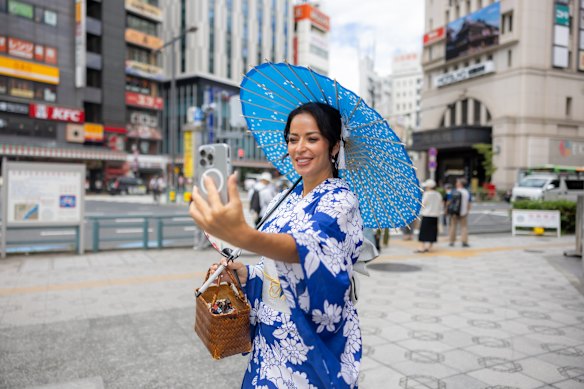
Social media has however coughed up many erratic travel trends, some of which aren’t novel but merely repackaged under awkward new names such as me-kend (treating yourself to a weekend away) and kidfluencing (deciding your holiday based on your children’s preferences).
Many are just plain silly, such as airport theory (leaving your airport arrival until the last minute) or obnoxious, such as extreme day trips (24-hour city visits, flying internationally) and bare beating (playing music on public transport without headphones). Bring on more harmless and entertaining airport dancing, though.
The jury remains out on some travel trends such as Airbnb, robot bartenders and the use of AI and whether we want them to stick around: some fads seem great at the time, then not so much. But we’ve swung clearly one way or the other when it comes to the trends below. See if you agree.
Sign up for the Traveller Deals newsletter
Get exclusive travel deals delivered straight to your inbox. Sign up now.
NAKED FLYING
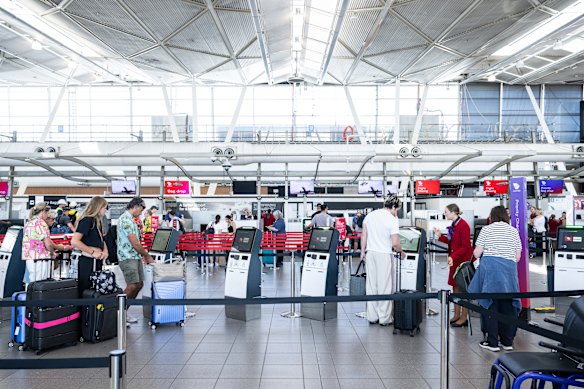
The trend The latest flight craze? Boarding a plane with neither check-in nor cabin baggage, carrying only a passport, wallet, mobile phone and charger. Layered clothing is key. A sub-trend called pocketing allows you to stuff your pockets. The trend appeared on TikTok in 2024, although “no baggage” challenges have been around since 2011.
Why we don’t like it The only good thing is that naked flying has knocked rawdogging (the foregoing of inflight entertainment) off its perch. It might save you excess baggage fees, but so does sensible packing. We’re all for social-media travel trends that are amusing, entertaining or useful, but this leaves us stumped. Okay, it gets you through the airport a bit faster. And some claim naked flying liberates them from material possessions, but doesn’t Buddhism already do that?
The hotspots Anywhere Gen Z and Millennials fly, especially on fee-charging budget airlines. The trend has been widely reported in the Australian media but also in America, Hong Kong, India, Thailand and Britain.
GLAMPING
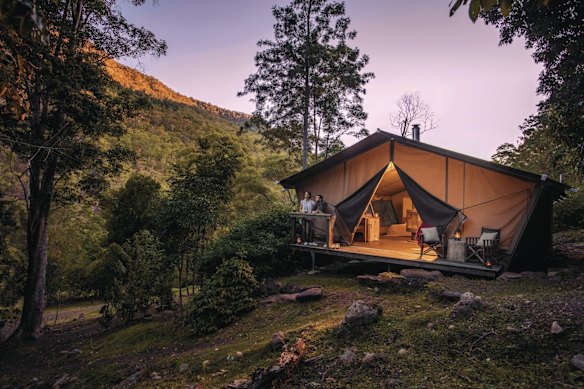
The trend Upmarket camping has been enjoyed by everyone from Mughal aristocrats to Victorian-era colonial hunters, but the word first appeared in Britain in 2005 and made the dictionary a decade later, when this more luxurious alternative to camping really got going.
Why we love it For those who don’t associate holidays with air mattresses and composting toilets, or who’ve moved on to greater comforts as they age, glamping opens up wilderness experiences with more indulgences and fewer flies. Urban types can pretend to rough it without sacrificing chic and chardonnay. And because glamping immerses you in nature more than a hotel stay and treads on the landscape with an eco-friendlier footprint, we can enjoy it with less climate-change angst.
The hotspots Eastern and Southern Africa are the traditional heartlands where luxe safari camps set the template. Costa Rica, India, South-East Asia and Patagonia have all seen the rise of impressive glamping options. Australia has done well too, with Ikara Safari Camp, Nightfall and Wilderluxe Lake Keepit among recent openings.
The trend This social network for sharing photos and later video was released in 2010 and now has 2.5 billion monthly active users. The hashtag came in 2011, with #travel now the most used lifestyle hashtag. Other much-used travel-related hashtags include #explore, #food, #inspiration, #luxury and #nature.
Why we don’t like it While we love Instagram as a way of linking to family and friends, the downsides are legion. Faked perfection provokes disappointment with a destination’s reality at best, anxiety at worst. A lot of travel content is inauthentic, paid, stunt-driven or AI generated, and lacks the spontaneity it seeks to capture. Much-Instagrammed tourist sites are overexposed. Instagram has made travel all show and no substance.
The hotspots Top cities based on tagged travel photos include Istanbul, New York, Paris and a surging Dubai, with London at pole position with more than 164 million posts. In 2024 New York’s Central Park, the Eiffel Tower and Niagara Falls were the most-posted landmarks, Japan and India the most Instagrammed countries.
FOOD TRUCKS
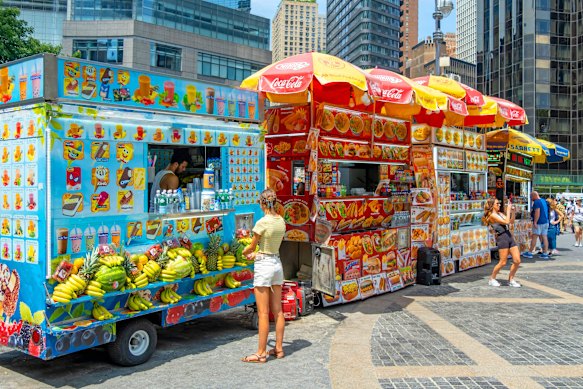
The trend Chuckwagons, created in the mid 19th century in America’s west, and 1950s ice-cream vans are among precursors of mobile food-selling (and usually food-preparing) trucks. Such facilities gained popularity in America in the 2010s and quickly became more upmarket and wider ranging in cuisines.
Why we love them In places where food trucks gather in pods, you can have an adventurous progressive lunch: Chinese pancakes, Yucatan pork shoulder, slow-cooked Carolina ribs, Belgian waffles with candied pecan, organic Colombian coffee. The vibe is lively, kids can run about, community culture thrives. Food trucks are affordable, convenient and often offer creative dishes – some by chefs of the future – that you can’t find in restaurants.
The hotspots Food-truck culture thrives in America, France and the UK, all original food-trucking nations. Countries from Australia to Brazil, Canada to South Africa have adopted them, and now China, India, Mexico and the Emirates have surging food-truck numbers. Top food-truck cities in America include Austin, Nashville, New York, Los Angeles and Portland.
SELFIES
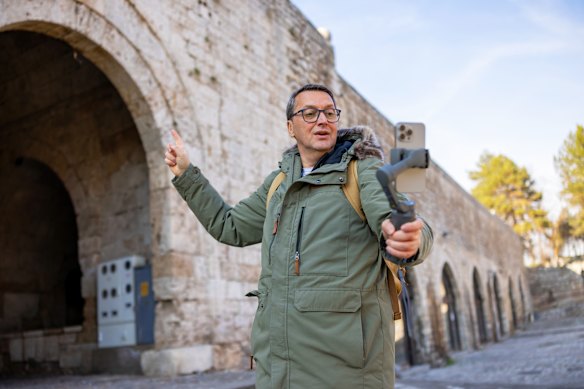
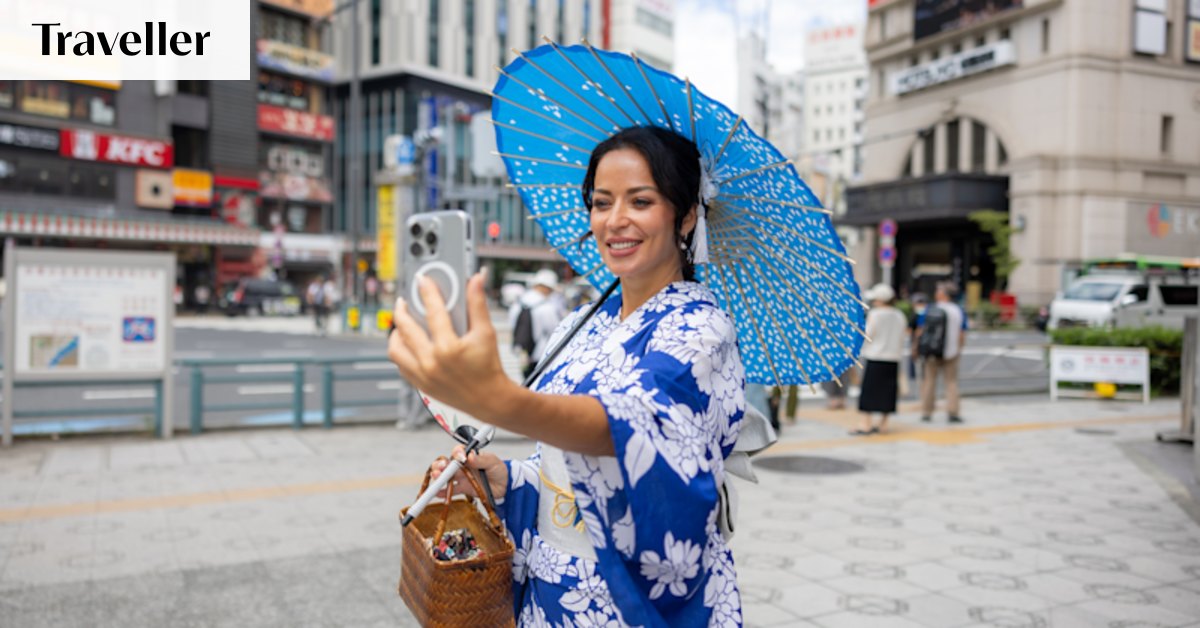
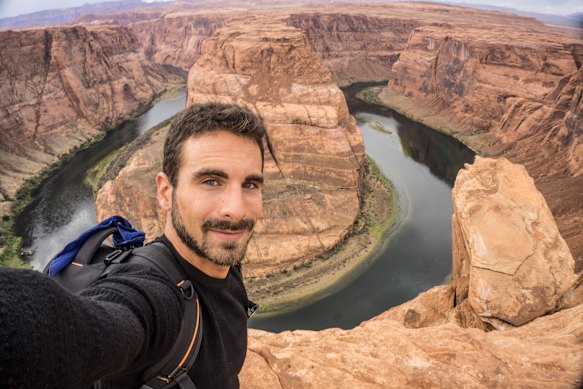
The trend The first known use of a camera on a pole was in 1925 and the first patent lodged in 2005, but selfie sticks took the world by storm in 2014. By decade’s end they already seemed old hat, but new wide-angled phone lenses allowed selfies to continue at the end of human arms. Travel selfies are now in decline, but they won’t vanish any time soon.
Why we don’t like them Selfie sticks were so annoying that venues such as theme parks, concert venues, museums and stadiums banned them. But never mind the sticks. The selfie itself smacks of self-absorption, and selfie-seekers clutter up viewpoints and monuments. Besides, they’ve been done to death and are no longer interesting: we’d rather preserve less staged holiday memories.
The hotspots More like the hot-nots when it comes to accidental deaths of selfie-takers on cliff edges and elsewhere, with India, Russia, America and Pakistan the unhappy leaders. Yosemite and Grand Canyon are considered high-risk selfie spots. The Eiffel Tower is the most popular.
E-VISAS

The trend Australians invented many useful travel tools including Wi-Fi, the black box and (in part) Google Maps, and was the first country to introduce e-visas, or a travel authorisation in electronic form, in 1996. It was over a decade before other countries got going, and the UK and Europe are only just getting their act together.
Why we love them If you remember the drag of visiting consulates in person for visas, and the tortuous process for some countries such as China and India, then you’ll know why this trend is heaven-sent. Now you can apply at home in quick time. Bonus: e-visas can’t be lost or damaged, and don’t take up an entire page of your expensive passport.
The hotspots Although technically not a visa, an ETA is now mandatory for Australian citizens entering the United Kingdom, and Europe’s new European Travel Information and Authorisation System (ETIAS) is expected in late 2026. Several nations in Africa and South America, once e-visa blackspots, are rolling out new systems.
SPACE TOURISM
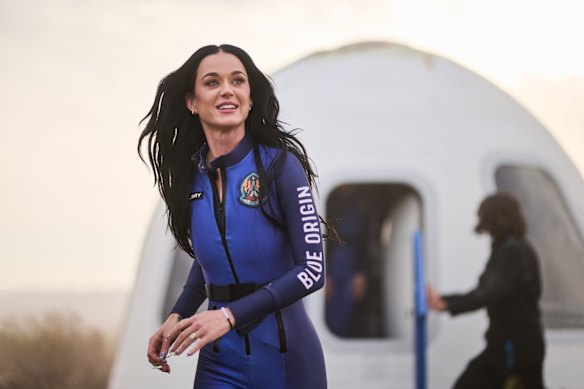
The trend American businessman Dennis Tito is cited as the first space tourist in 2001, although non-paying civilians had previously been launched into space. There have since been nearly 30 space flights on Russian and American spacecraft. The recognised boundary of space begins 100 kilometres above the Earth’s surface.
Why we don’t like it As travellers we shouldn’t dismiss exploration and adventure, and surveys show high interest in our seeing Earth from space. But is this the right time for the super-rich to flaunt their spare change? Given the world’s issues, the research and money should perhaps be spent on something more pressing. And sorry space tourists, no matter what you claim, you aren’t advancing science.
The hotspots A Russian launch seems unlikely given current politics, so that leaves you with Blue Origin, Space X or Virgin Galactic, all US-based. Start saving: a suborbital flight might cost $US600,000 ($854,000) but an orbital flight of several days could go for $US50 million. See you in the future.
BOUTIQUE HOTELS
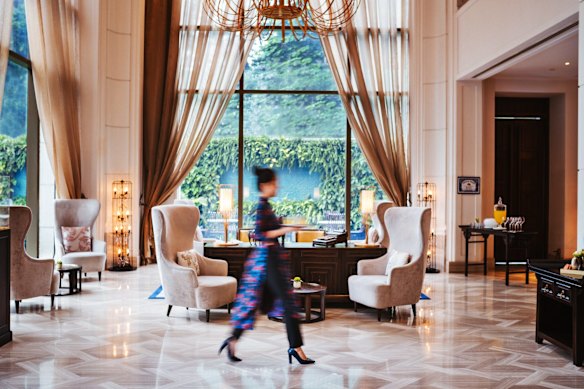
The trend The 1981 opening of The Bedford in San Francisco is said to mark the boutique-hotel era, although owner Bill Kimpton was inspired by Europe’s small, family-run hotels. Blakes Hotel in London and Morgans in New York are other contenders. Boutique hotels – small, intimate and with personalised service – were a slow burn until the advent of online booking and social-media promotion.
Why we love them For a while it seemed bland, branded concrete accommodation boxes would take over the world. Boutique hotels reflect the character of their destination or owner; have chic design; are an experience rather than a mere overnight; and do without superfluous amenities that raise prices. They’re often tucked into interesting residential neighbourhoods.
The hotspots While boutique hotels are tricky to define and count, cities such as New York, London, Marrakesh, Paris and Singapore rank well. Malta is seeing a boutique-hotel boom. Chains have moved into the space with the likes of Curio Collection, MGallery and Voco. Aussie brand QT Hotels is doing well.
RAIL RENAISSANCE
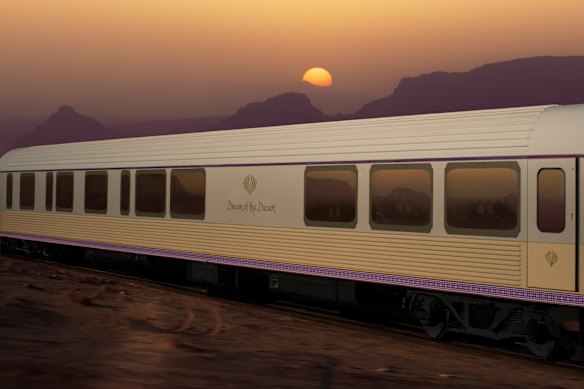
The trend The first intercity passenger line was the Liverpool and Manchester Railway in 1830. Trains revolutionised travel with their speed and low cost. They’ve since fought off competition from motorcars and budget airlines to enjoy a resurgence. Only a few microstates along with Bhutan, Cyprus and Iceland have no railways.
Why we love it Trains offer intercontinental marathons, short country hops and hauls up mountain peaks. They can be meet-the-local slow, bullet-train fast or luxury overnights. They showcase landscapes and allow for conversation. Trains are back in vogue because we can skip airport hassles, arrive in city centres and travel more sustainably. And for capturing the romance of travel, they beat everything else on land.
The hotspots New European intercity and sleeper train routes are rolling out this year: Budapest-Belgrade, Prague-Copenhagen, Paris-Berlin, Paris-Vienna, Brussels-Milan, Amsterdam-Zurich. Worldwide, luxury trains are trending, with new ones launching in California (Dreamstar Lines), Central Asia (Golden Eagle Silk Road Express) and Saudi Arabia (Dream of the Desert).
APEROL SPRITZ
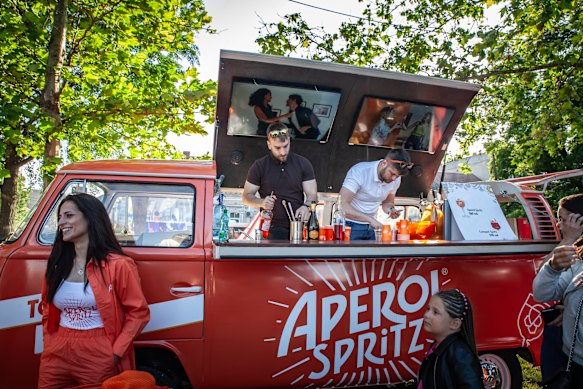
The trend This bright orange, citrusy aperitif poured has been enjoyed in Italy since the 1950s but exploded internationally in the 2010s following advertising campaigns. Suddenly it was everywhere, from apres-ski terraces to Mediterranean piazzas – and so was Aperol-branded signage, chairs and parasols. Somehow, the trend shows no sign of fizzing out.
Why we don’t like it There are better cocktails, and Aperol has become a travel photo op rather than a drink to be enjoyed. But we don’t have it in for Aperol spritz in particular: we could pick any taste trend – macaroons, matcha, Dubai chocolate – that showcases unexceptional but brightly coloured food driven by advertising, a sheep mentality and social-media hype.
The hotspots Santorini, Sydney’s Watsons Bay, or anywhere with a colour-matching sunset. Aperol was created in Padua, the spritzed version in nearby Venice: not bad spots to sip cocktails on a terrace. According to Eurochange, Naples is the cheapest place in the Mediterranean to enjoy the drink.
BACKPACKING
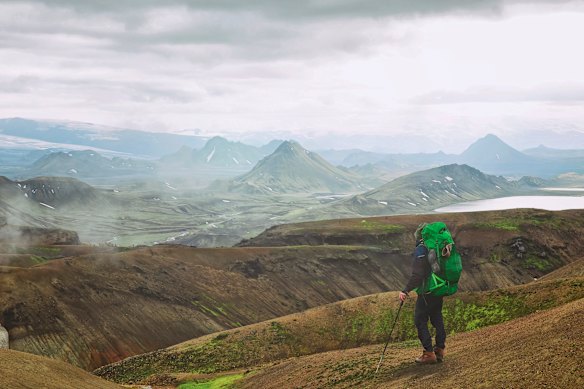
The trend Low cost, independent travellers toting backpacks have existed forever, but modern backpacking has its roots in the founding of the YMCA in Britain (1844), youth hostels in Germany (1909) and 1960s overlander routes. Let’s Go and Lonely Planet guidebooks encouraged the trend, which had its heyday in the 1970s, 1980s and 1990s.
Why we love it Nostalgia for our youth plays a part, but there’s something sweet about the backpacker ethos: the desire to encounter other people and cultures, avoid the mainstream, have an adventure and return home more independent and adaptable. Low-income communities rather than big travel companies see direct benefits. Backpacking has many issues in the execution, but you can’t fault the thought.
The hotspots Some say authentic backpacking is no more due to the emergence of more upmarket backpacking on shorter trips. Here’s hoping for a revival. Iceland and Colombia have peaked, Albania, North Macedonia, Rwanda and Uzbekistan are trending. The latter is rolling out numerous hostels and guesthouses under a new tourism strategy.
ANIMAL ATTRACTIONS
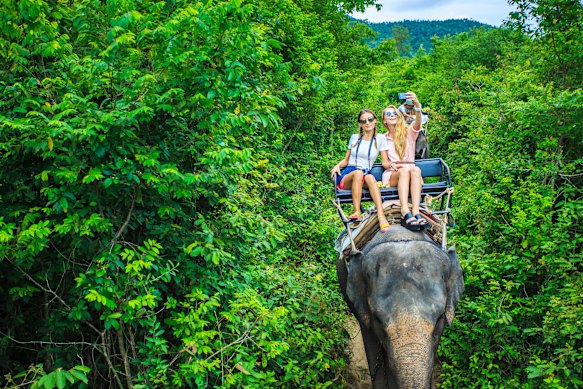
The trend Animals have long been a source of gratuitous entertainment to humans, often with little regard for their welfare. Zoos, bullfights, cockfights, snake charming, dolphin shows, animal rides and Instagram poses while manhandling defenceless or chained creatures remain common. Animal cafes are the latest trend.
Why we don’t like them Simple: a chained tiger, a turtle held aloft, an owl in a bar or a caged civet supplying coffee is animal cruelty, and affects wild animal populations. You can enjoy ethnical animal tourism in reputable sanctuaries, research facilities or natural habitats where close physical interaction is avoided, and animals aren’t just photo props or amusing rides. Time to pause for thought before offering money or social-media approval to the circus.
The hotspots Thailand and Indonesia, two of our most popular destinations, are leading culprits. The rest of South-East Asia and the Indian subcontinent don’t do well. China, Japan and Taiwan lead with cute- and exotic-animal cafes, and sadly they’re surging in America, Britain and elsewhere.
Five travel trends we’d like to see take off
Second-city travel
It’s hardly a revolutionary insight that smaller cities offer a less crowded, more local, better-value alternative to big obvious ones, but we’re glad this trend has acquired a name and is becoming popular. It can apply to regions or countries, too. Swap Venice for Verona, Croatia for Albania, Miami for Palm Beach, and chill out.
Bootiquing
This portmanteau is clunky, but who doesn’t love the combination of hiking, glamping and luggage transfers in beautiful places, and all with a low eco-footprint? The term originated in Britain in 2023, with Original Travel often getting the credit. Perth-based Walk into Luxury is a great Australian example.
No-waste dining
Some Aussie chefs were at the forefront of this trend, which began in the 2010s and is also called no-bin or zero-waste dining. It involves minimising food waste and packaging, sourcing local ingredients, and using the whole animal. Berlin, Copenhagen, Helsinki, London and New York are leaders. Sydney and Melbourne are no laggards either.
Robotaxis
Self-driving or driverless taxis appeared in 2016 and are currently operated by rideshare companies including Tesla and Waymo, most notably in some American and Chinese cities. Waymo hopes to offer the service in London by September. While they aren’t yet as widespread as predicted, we hope they will be because who doesn’t have a taxi driver rip-off or dangerous-driving story?
Quietcations
This 2010 term was suddenly everywhere in 2025. Also called silent travel or hushpitality, it requires unplugging from technology, escaping urban noise and enjoying silence and solitude. We all need more of that. Quietcations are often associated with Norway but you need look no further than NSW.