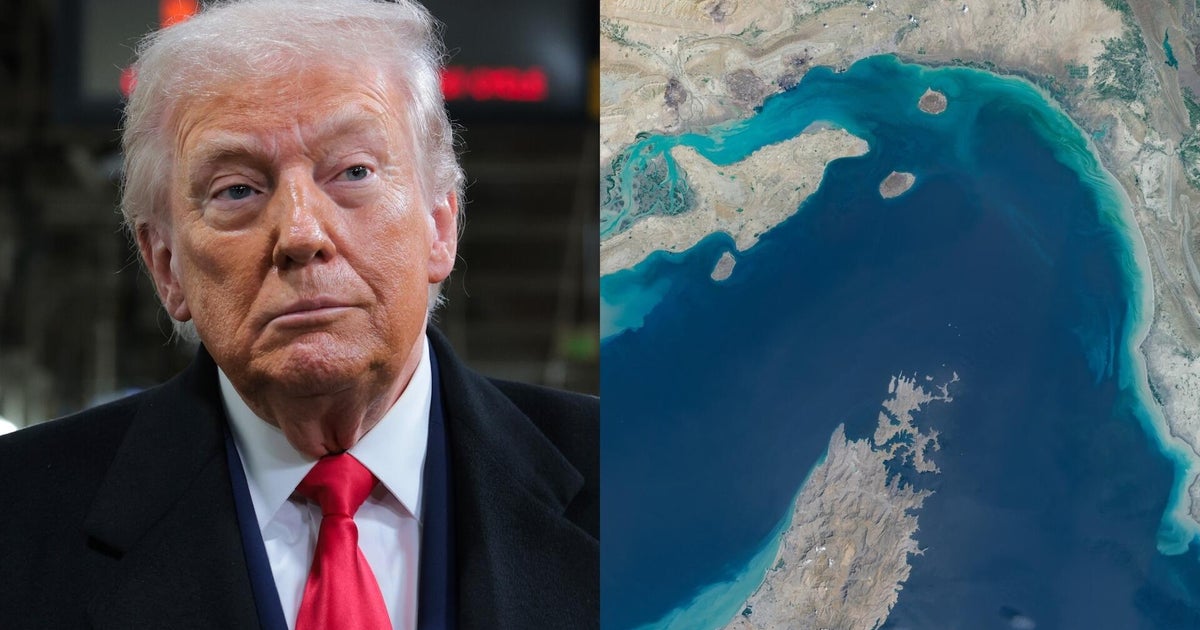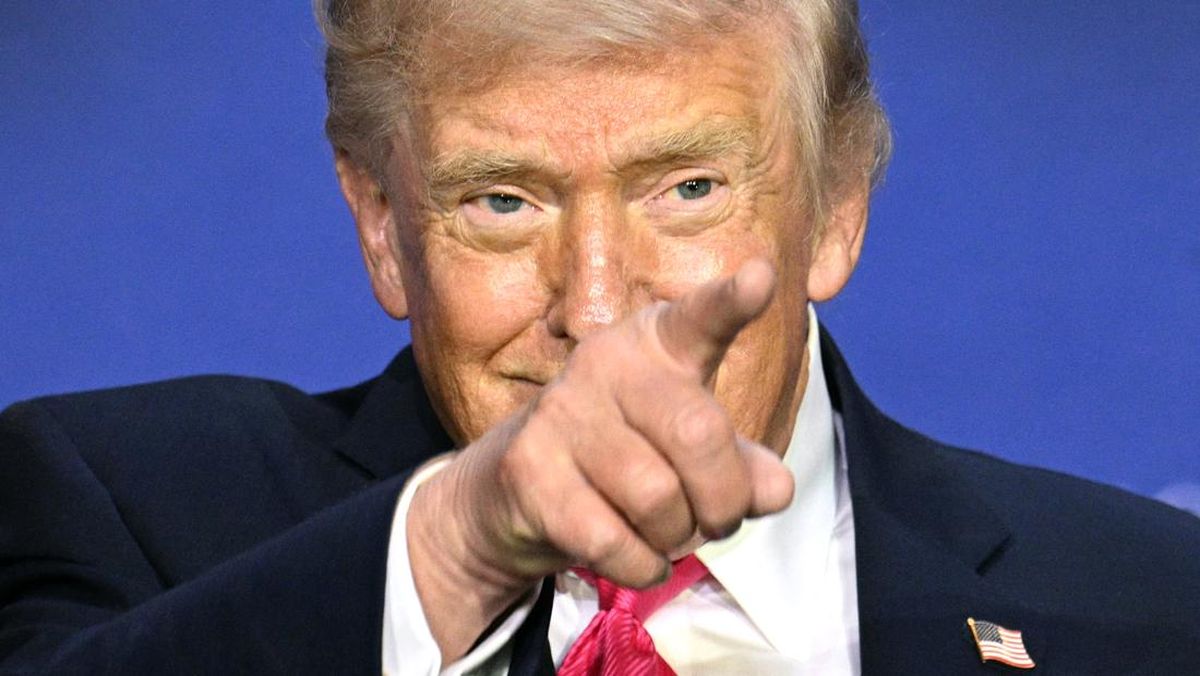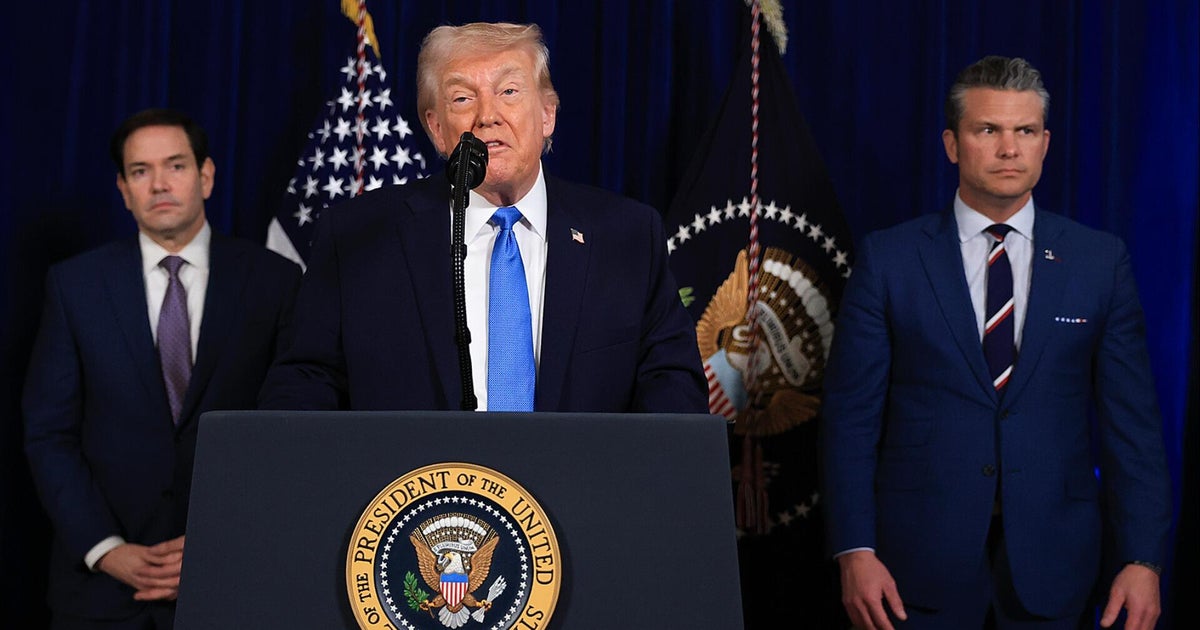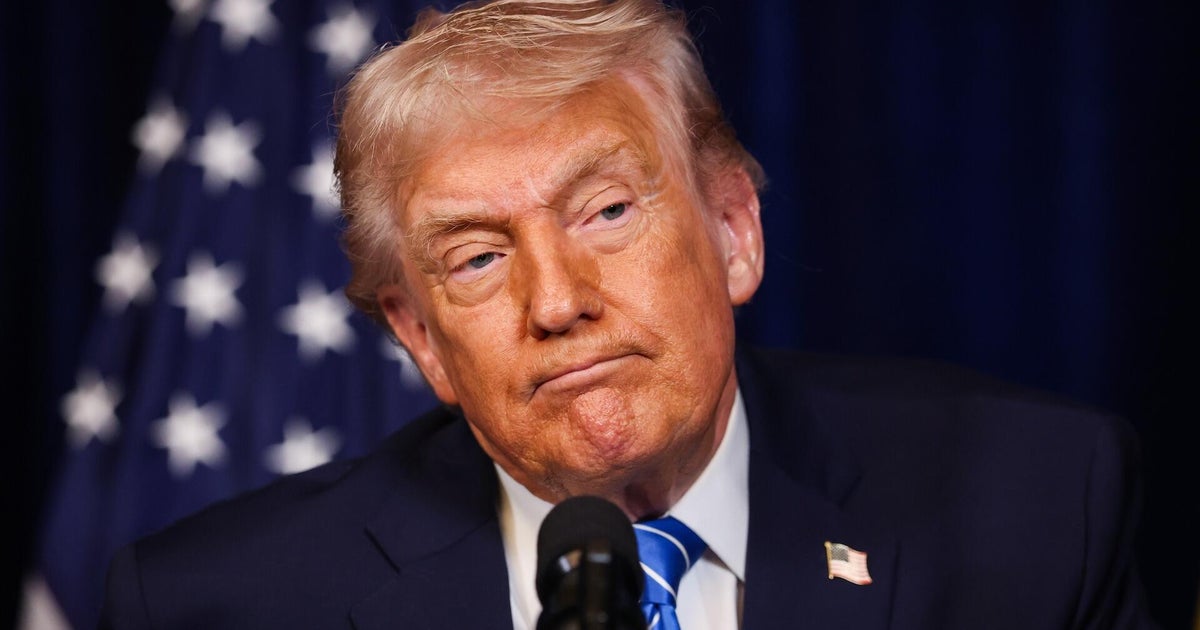
Washington — President Trump said Friday that he is "not happy" with the pace of progress in negotiations with Iran over its nuclear program, as tensions continue to ratchet up amid the administration's deployment of military assets to the Middle East.
In remarks to reporters before leaving the White House for Texas, where the president will deliver remarks on energy, Mr. Trump said he has not yet made a decision on whether to authorize strikes against Iran, but said he is not happy with how the Iranians have been negotiating.
"I'm not happy with the fact that they're not willing to give us what we have to have," he said. "I'm not thrilled with that. We'll see what happens. We're talking later."
Mr. Trump said there is "always a risk" of drawn-out war with the Iranians, and reiterated that they cannot get a nuclear weapon.
"It'd be nice if we could do it without [the military], but sometimes you have to do it with," he said. "We have the greatest military anywhere in the world. There's nothing close. I'd love not to use it, but sometimes you have to."
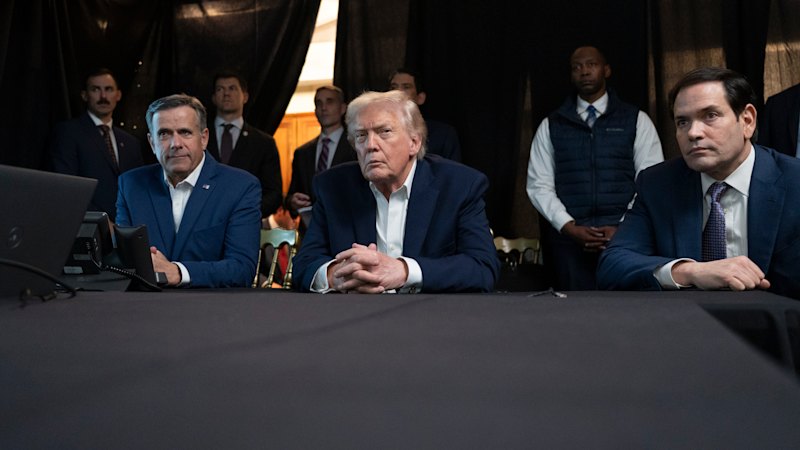
U.S. special envoys Steve Witkoff and Jared Kushner, Mr. Trump's son-in-law, met with Iranian negotiators in Geneva, Switzerland, on Thursday for talks brokered by Oman that are aimed at averting a potential U.S. military assault. While Middle Eastern nations have warned that strikes could lead to a major international conflict, the president has overseen a buildup of forces, which he calls a naval "armada," consisting of military jets, two aircraft carriers and guided-missile destroyers in the region.
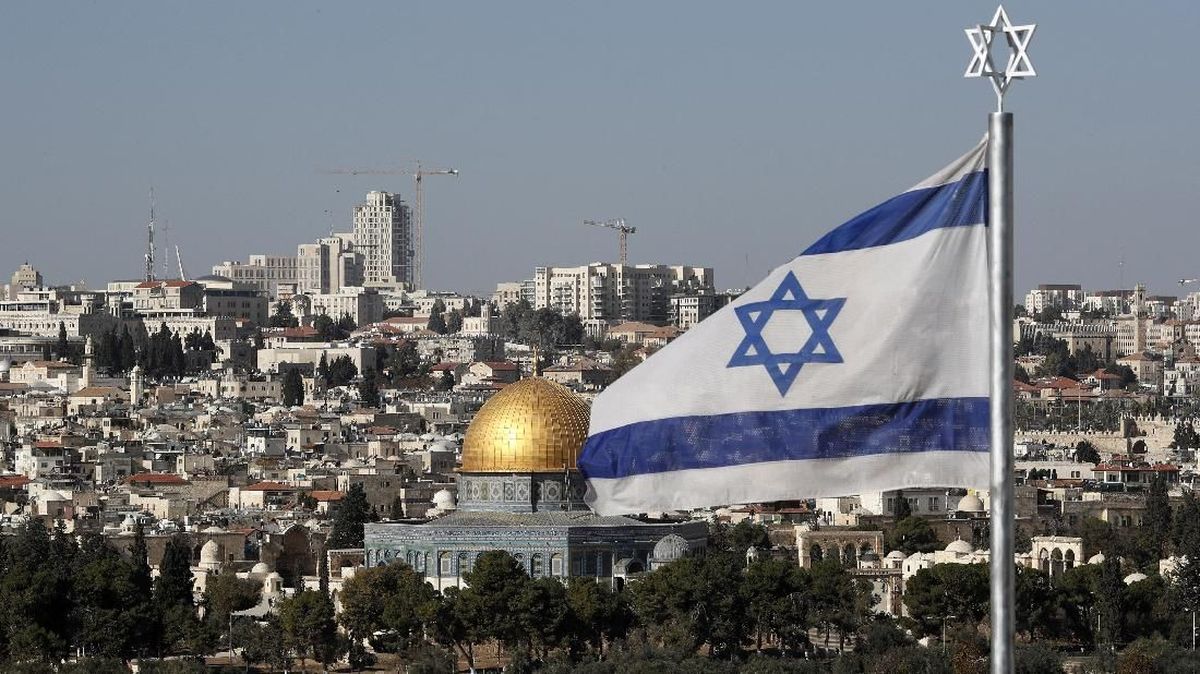
On Friday, the State Department authorized non-emergency personnel and their family members to leave Israel "due to safety risks." It also announced Secretary of State Marco Rubio is set to travel to the country next week to discuss a "range of regional priorities," including Iran.
Neither the White House nor Witkoff and Kushner provided a readout of Thursday's talks in Geneva. Iranian Foreign Minister Abbas Araghchi, who led the delegation for the Iranians, said following the meeting that "there was perhaps more seriousness on both sides than before, with the aim of reaching a negotiated solution." He said there will be a fourth round of negotiations next week.
Vice President JD Vance told the Washington Post on Thursday that the president was still considering strikes to "ensure Iran isn't going to get a nuclear weapon." But he said there is "no chance" the U.S. would get involved in a yearslong war in the Middle East "with no end in sight."
Negotiations between the U.S. and Tehran over its nuclear program come months after U.S. strikes on three Iranian nuclear facilities last June. Mr. Trump said in his State of the Union address Tuesday that the strikes "obliterated Iran's nuclear weapons program," but said Tehran wants to "start it all over again."
The president has said he prefers a diplomatic resolution to the ongoing standoff with Iran but would use the military if he decides it's necessary to prevent Tehran from building a nuclear weapon.
"My preference is to solve this problem through diplomacy, but one thing is certain: I will never allow the world's number one sponsor of terror, which they are by far, to have a nuclear weapon," Mr. Trump said during his address to a joint session of Congress. "Can't let that happen."
Kathryn Watson and Tucker Reals contributed to this report.
Breaking down the U.S. demands on Iran
Breaking down the U.S. demands on Iran's nuclear program as world awaits news on strikes
(02:51)