
 4 months ago
75
4 months ago
75
Cities offer bright lights and excitement, history and cultural attractions. But villages offer an entirely different travel experience, one that is often overlooked. However, seek out villages in your next holiday destination. Their compactness makes them the agreeable focus of a good day out, and many have more attractions than you might think.
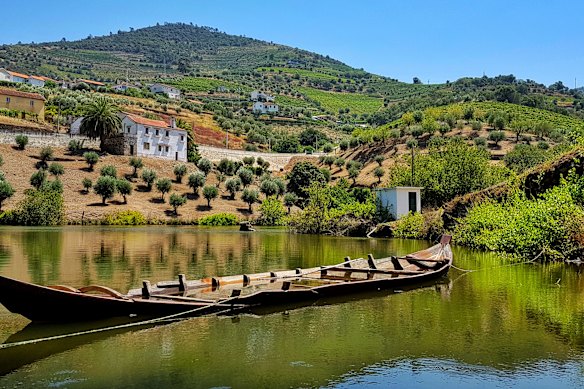
Villages often preserve what cities have lost. You’ll be well rewarded by the change of pace, and won’t be robbed of lessons in history and culture either.
But what exactly is a village? Well, definitions tend to be nebulous. “A settlement bigger than a hamlet but smaller than a town”, is one. That hardly helps. The Australian Bureau of Statistics prefers the term “locality”, which has anything up to 999 residents and at least 40 non-farm dwellings, a discernible street pattern and basic services.
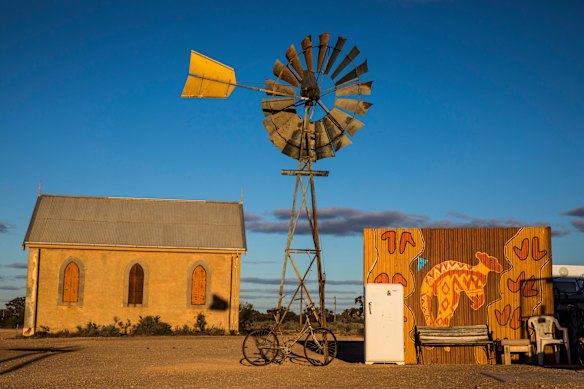
Worldwide definitions are more generous, but 2500 residents appear to be the limit of what we call a village while commonsense tells us that villages are over the horizon from suburbia and distinctly rural. They have roots in fishing or agriculture and sometimes in trade, although many now depend on tourism.
Sign up for the Traveller Deals newsletter
Get exclusive travel deals delivered straight to your inbox. Sign up now.
Indeed, some such as Hallstatt in Austria and Bibury in England are overwhelmed by visitors. Others are so inconsequential you have no reason to visit them at all.
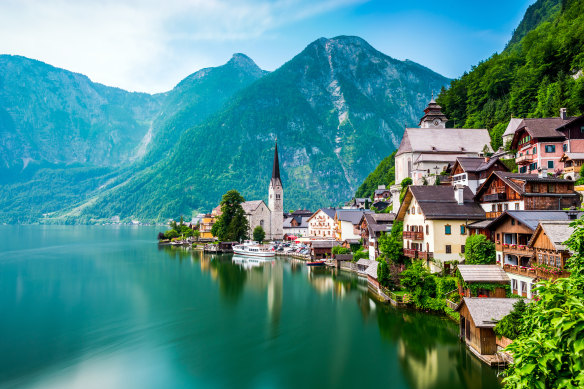
The best, however, provide a downsized but enjoyable experience. Unlike towns, you can leave a village at day’s end without feeling frustrated that you’ve missed something. You’ve probably had time to relax, too, and do consider an overnight stay as it’ll contribute to the local economy.
Here are a few of Traveller’s choice examples of the big ways in which these small places can add to our travel experiences around the globe.
THE ULTIMATE FOODIE VILLAGE
Gruyeres, Switzerland
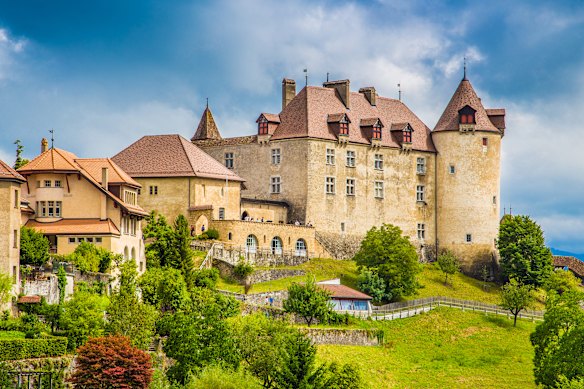
Population 2205
The lowdown This is an almost perfectly preserved medieval village wrapped in fortifications and encased in lush pre-Alpine landscapes. The Swiss have added cascading flower boxes and keep medieval shop signs well-polished (one shows St George and a lizard-like dragon) and facades prettily painted. It’s a Brothers Grimm fairy tale without the wicked-witch downsides.
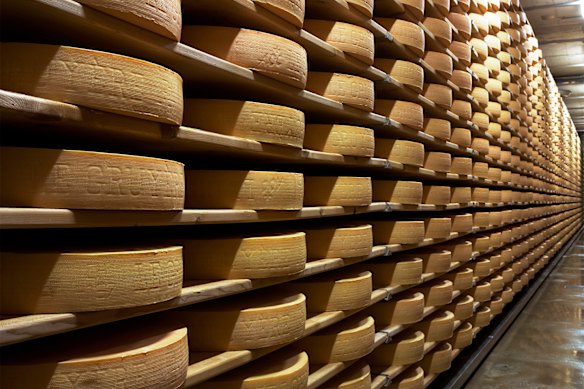
Why you’ll love it Villages evoke thoughts of satisfying rural produce, and no disappointment arises in this village, home to the famous cheese (and rich cream) of the same name. Restaurants dish up fondue, and La Maison de Gruyere, in the meadows below the village, explains the cheese-making process through interactive displays, with windows providing views onto the factory floor. Beyond, the Alpine Dairies Trail showcases stunning, cow-chewed scenery nearby. But you’ll want to admire the village too, and visit the petite but pleasant château that tops it.
Make it happen A combined ticket to the castle and Maison du Gruyere costs CHF17 ($29). Avoid the July-August high season; scenery is finest in May or late October. Stay at Hotel de Gruyeres for beautiful valley views. See fribourg.ch
THE CLASSIC COASTAL VILLAGE
Lunenburg, Canada
Population 2396
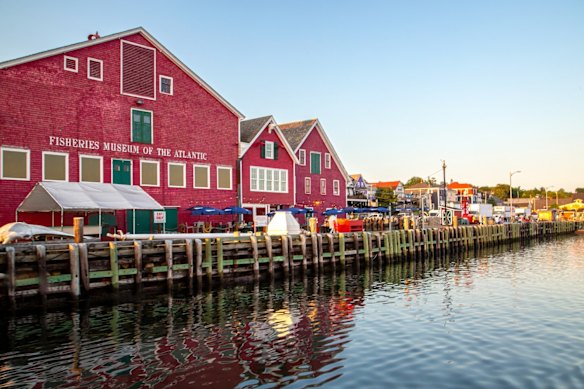
The lowdown Most of us link villages to countryside, but our second thoughts might lurch seawards. This fishing village, founded in 1753, couldn’t be cuter and is UNESCO-listed for its heritage. It sits on a peninsula between two harbours in which tall ships and fishing vessels are often docked, adding to the quaint historical effect.
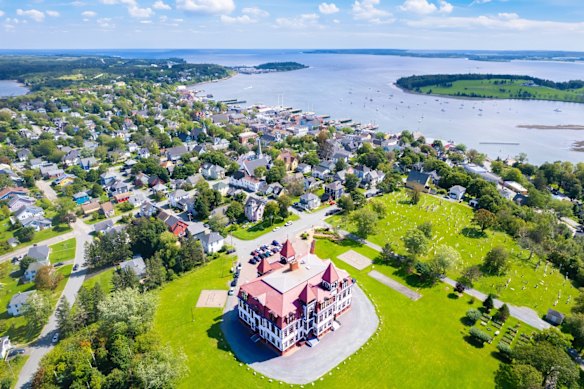
Why you’ll love it Two major assets of villages are that they’re small enough to walk around and you can fit them into a single satisfying day. Stroll Lunenburg for its pottery and art studios, breeze-blown sea views (one of the best outlooks is from the golf course) and brightly painted houses, whose lurid colours make for great photos. The seafood is tops and so is the rum at Ironworks Distillery (rum smuggling was once big business here). To fill in the history, visit the Fisheries Museum or take a guided walk.
Make it happen The Fisheries Museum costs $CAD14.50 ($16). Visit from late June to mid-October unless you’re hardy and warmly dressed, although July-August is the peak season. Stay in the heritage home Ivy House Inn. See novascotia.com
THE ARCHETYPAL WATER VILLAGE
Hongcun, China
Population 1446
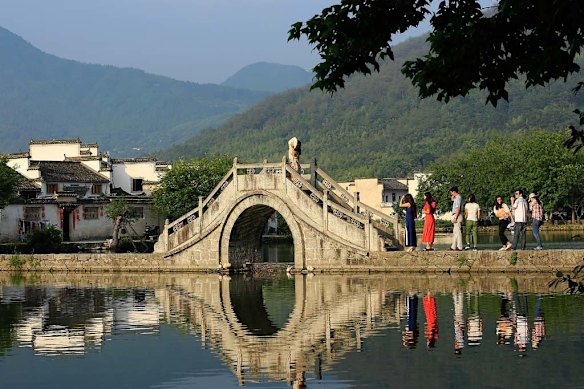
The lowdown Add water to villages from the Netherlands to Vietnam and you distil reflected, pale beauty. Nowhere does it better, however, than Hongcun, west of Shanghai, with its straight from a scroll painting – or martial arts movie – appearance. Houses, clan halls and farm buildings preserved from the Ming and Qing Dynasties, and now UNESCO-listed, are set amid ponds and water channels in which lotus flowers flourish.
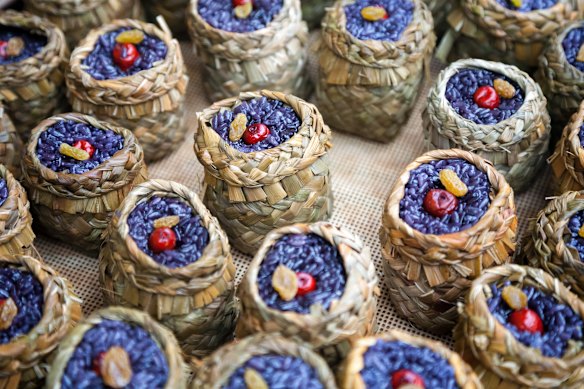
Why you’ll love it From hefty flagstones to upturned eaves, Hongcun is perfectly preserved and uniform in white walls and grey roofs. Moon Pond, in the heart of the village, is the made-for-Instagram spot for reflections. Four hump-backed bridges are also great viewpoints. Visit Chengzhi Hall for intricate wood carving. Hongcun sits amid awesome landscapes including famous mountain Huangshan, which has teetering rock formations, bent pine trees and improbably perched pavilions reached via dizzying steps.
Make it happen The village is ticketed and costs CNY104 ($21) for multiple entries over three consecutive days. Nearby Banyan Tree Huangshan has a lovely setting. The best weather is April-October; summer is hot and humid. See huangshan.gov.cn
THE ESSENTIAL SPA VILLAGE
Kurokawa Onsen, Japan
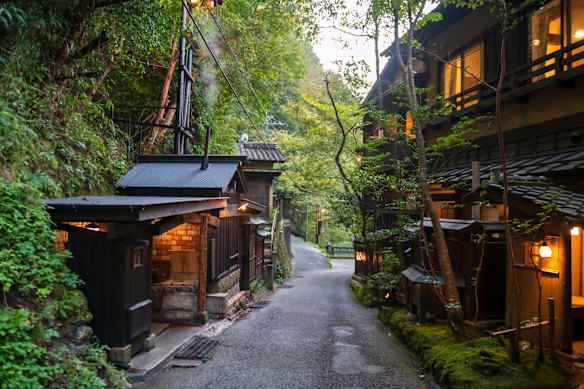
Population 400 to 500
The lowdown If Hobbits were Japanese, they’d be living here in this shingle-roofed, mossy village hunkered deep in a narrow valley in Aso-Kuju National Park in central Kyushu. The unromantic concrete buildings and pachinko parlours of Japanese onsen towns are banned. The shops are modest, the bathing houses rickety and unpretentious. Even colour is almost absent, with only browns and greens that make the village feel as if it has sprouted from the earth.
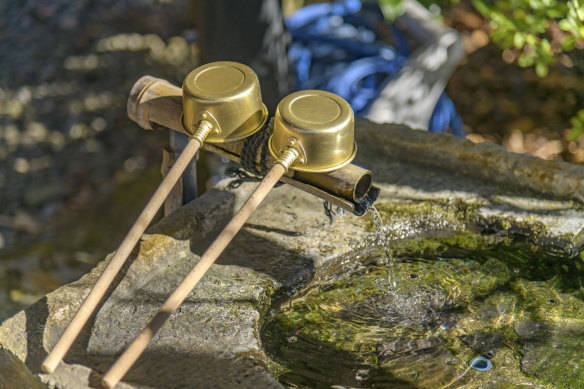
Why you’ll love it Think villages, think rural escape. Add wellness and you create the perfect slowing down. Kurokawa is closed to traffic, so nothing disturbs the peace. Sightseeing duties aren’t needed. Just shuffle around, enjoy the rural atmosphere, hike into the hills, and wallow in riverside hot springs such as Yamamizuki and Hozantei, surrounded by forest. At night, tuck into grilled trout in your ryokan, and rejoice.
Make it happen Onsen baths cost between JPY600-800 ($6-$8) each or JPY1500 ($15) for a three-onsen pass. Autumn and winter are high seasons for foliage and snow. Stay at Gosho Gekkoju traditional inn. See kurokawaonsen.or.jp
THE CLASSIC CULTURAL VILLAGE
Penglipuran, Bali, Indonesia
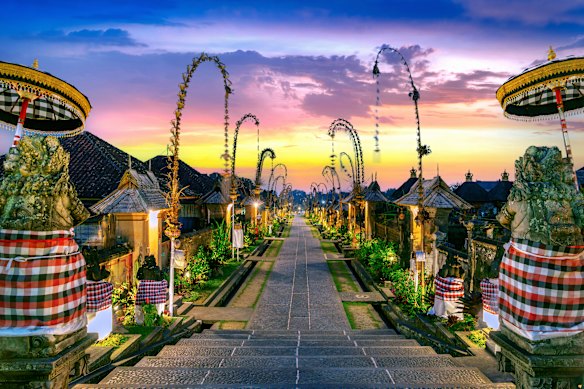
Population 1026
The lowdown Is there such a thing as a modern village? Surely not. We like villages because they’re old-fashioned and indicative of the national culture we feel has been lost in cities. While some cultural villages can be tacky, this one in central Bali, though tourist-trampled, is attractive and authentic. Not only have its buildings, temples and other structures been preserved, but its culture and traditions too. Its low-key, community-based tourism benefits all the villagers.
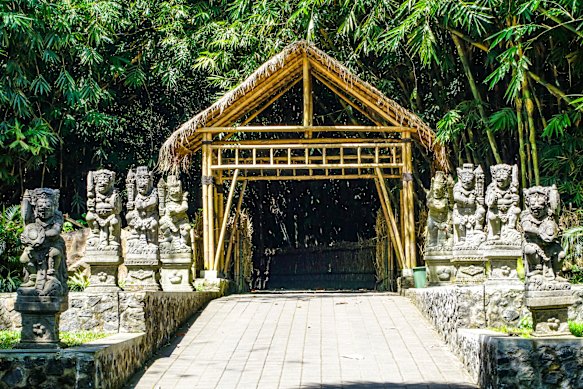
Why you’ll love it Penglipuran is surrounded by bamboo forest and coconut palms, wafted by breezes thanks to its elevation, and immaculately kept. Its architectural symmetry contrasts with the lushness of erupting plants and flowers. Little craft shops are discreet, and eateries hidden in the courtyards of local homes. Yes, it’s a tidied-up version of Bali, but also still a living village.
Make it happen Village entry is Rp50,000 ($5). Year-round is fine but avoid the late-morning and early afternoon heat and rush of tour coaches. You can stay in village homestays but for an upmarket alternative Anantara Ubud Bali Resort is a scenic 30-kilometre drive. See penglipuran.com
THE ESSENTIAL WINE VILLAGE
Pinhao, Portugal
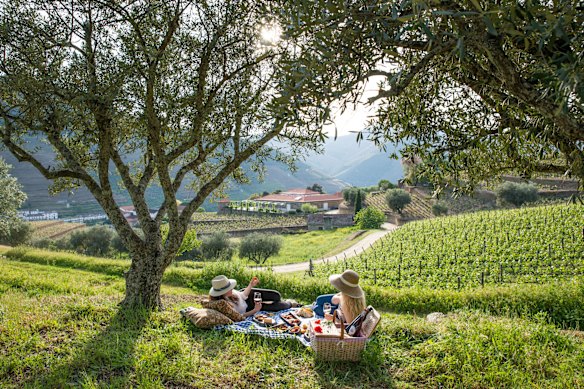
Population 622
The lowdown Europe is filled with worthy wine villages, but Pinhao wins for its setting on a generous bend of the Douro River, flanked by steep vineyards. (Even tinier Casal de Loivos village nearby has the Douro’s top viewpoint, best in the late afternoon.) Umpteen cafes and bars gaze towards the river, and promenades catch breezes.
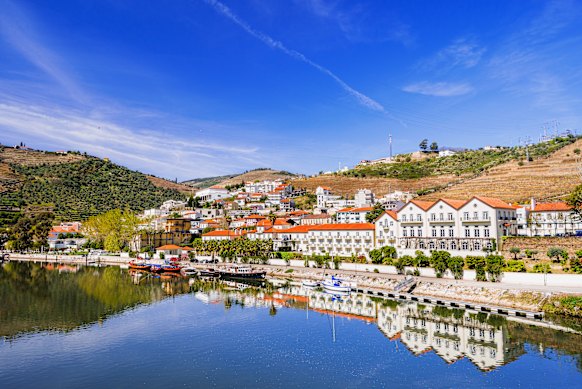
Why you’ll love it The Douro is most noted for port production, and Pinhao has its best soils and climate. Quinta da Roeda, owned by venerable port firm Croft, is a good place to start pleasing your palate, but several other cellar doors tempt with long lunches. Then walk it all off by hiking marked paths linking other villages through glorious scenery. You can cruise the river on a traditional wooden boat. The train station has blue-and-white Portuguese tiling depicting grape-harvest scenes.
Make it happen A tour and wine tasting at Quinta da Roeda costs €20 ($33). September-October is magnificent for autumn foliage and wine festivals. Stay at the river-front Vintage House Hotel, whose restaurant has terrific cuisine. See visitportugal.com
THE ARCHETYPAL ABANDONED VILLAGE
Ait Benhaddou, Morocco
Population 700, but nearly all live across the river in the newer district
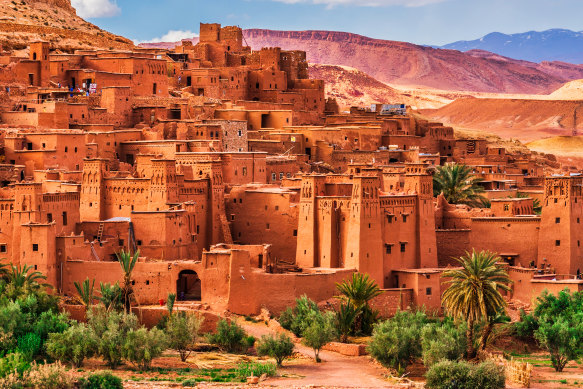
The lowdown Many villages have become less like rural communities and more like tourist malls. Abandoned or archaeological villages, carefully preserved, are different. This picturesque, fortified pile of 17th-century clay and rammed-earth architecture sits on a former caravan route. It’s UNESCO-listed, has featured in productions from Gladiator to Game of Thrones and is utterly magical.
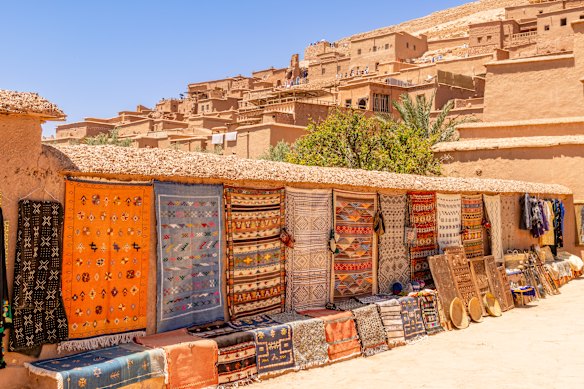
Why you’ll love it You enter through the fortified walls to discover a maze of attractive alleys. Many of the buildings are empty, but some modest shops sell Berber rugs and antiques. The further you scramble up this village, the more the views of the rocky and dramatic Ounila Valley open up. Don’t come on a day tour, because sunrise and sunset make the village glow and, since Ait Benhaddou has no electricity, nights are moonlit and magical, if eerie.
Make it happen Entry is free, so ignore ticket scammers. Avoid the extreme summer heat and frigid winter nights. Stay in Kasbah Tebbi across the river, or for more luxury in Ouarzazate, 30 kilometres east. See visitmorocco.com
THE CLASSIC FAUX VILLAGE
Portmeirion, Wales
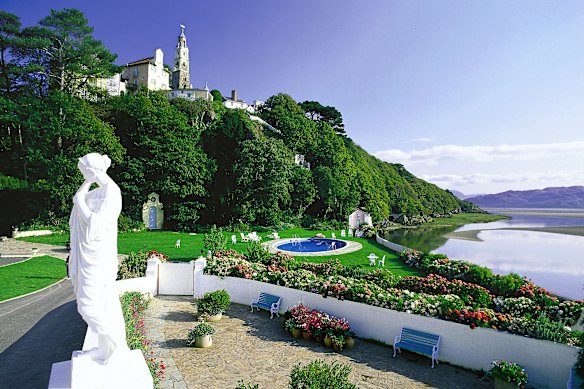
Population No permanent residential citizens
The lowdown Recreations of tourist towns have become notorious of late, but this unlikely fakery is fabulous. It was created in the mid-20th century by eccentric architect Clough Williams-Ellis in eclectic styles: Italianate, German gingerbread, rural English, and surely a hint of Mexico in the bright colours, yet somehow sitting harmoniously in damp, dreamy North Wales.
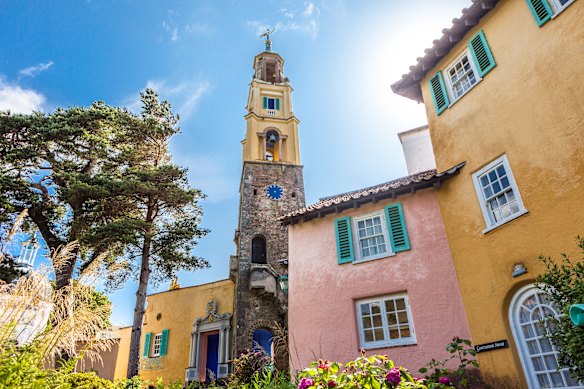
Why you’ll love it Wandering around is like being inside an odd but glorious dream. The buildings are softened by clipped hedges, banks of rhododendron and rambling forest lanes flanked by slurping estuary sands loud with the cries of curlews. Everywhere you look you see depictions of mermaids, angels and nymphs. Portmeirion is muddled and has a touch of Las Vegas but somehow works. Stay after day-trippers depart and it becomes a magic mini-kingdom.
Make it happen Day tickets cost £10 ($19) in winter and £20 ($39) in summer and must be booked in advance for a specific day. You can visit year-round; the Christmas market is charming. Accommodation includes village rooms and cottages and two hotels. See portmeirion.wales
THE ULTIMATE PILGRIMAGE VILLAGE
Rocamadour, France
Population 597
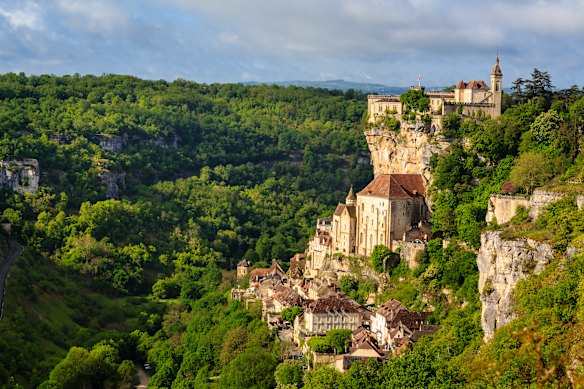
The lowdown Sometimes villages take on significance out of proportion to their size, and in the 13th century this one in the Dordogne in south-west France became famous as a pilgrimage destination, thanks to the miracles of its Black Madonna. Today the miracle is that its chapels and churches haven’t slid into the gorge to which they cling. Rocamadour looks like somewhere imagined in an illuminated prayer book, perched in an improbable landscape.
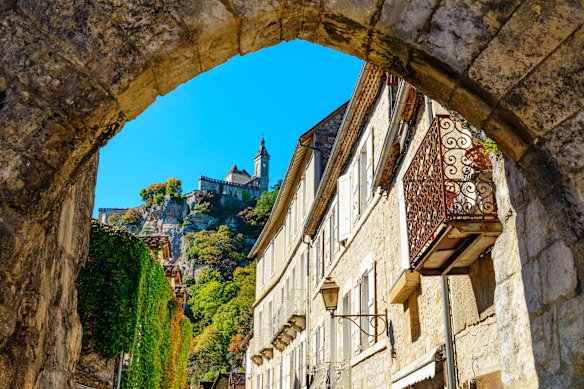
Why you’ll love it It’s spectacular, it’s a medieval stereotype, and as a bonus, you get a workout as you climb up and down steps and cobbled lanes. Pilgrims still turn up, adding an aura to Notre-Dame Sanctuary and Saint-Sauveur Basilica. The village’s religious core is halfway up the cliff. At the top is the chateau, whose ramparts supply tremendous views. Nearby Merveilles Grotto has stalactites and prehistoric paintings.
Make it happen The grottoes cost €9.50 ($15) and castle ramparts €2 ($3.50). The sanctuary and basilica are free. September is lovely and features a hot-air balloon festival on its last weekend. For a medieval treat, stay at Chateau de la Treyne nearby. See visit-dordogne-valley.co.uk
THE CLASSIC SKI VILLAGE
Crested Butte, US
Population 1639
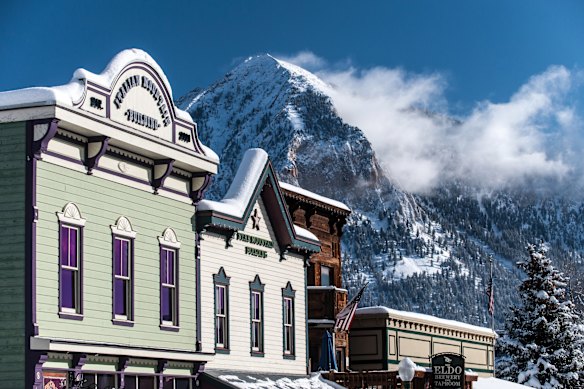
The lowdown Ski resorts don’t always offer the cosy charm you might hope for, but Crested Butte is snug, welcoming and enjoyably bohemian, and bans fast-food and chain stores. The 19th-century silver-mining village preserves many clapboard buildings, cheerfully painted and housing art galleries, lively bars and good restaurants. You can even get Asian food and good coffee. Inventive cocktails at The Dogwood inside a former miner’s cabin? Rum and shared plates at Montanya Distillers? Come on, what’s not to like?
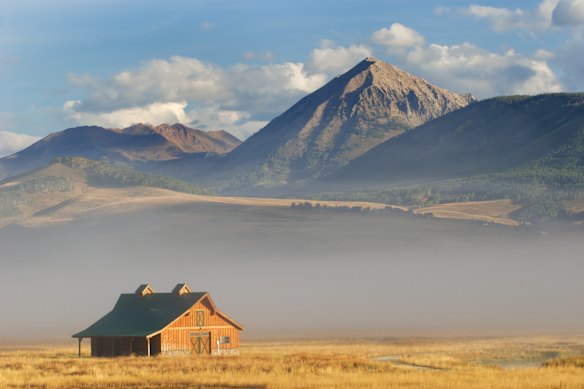
Why you’ll love it Yes, Crested Butte has history and character but even better, it’s attached to wonderful ski fields with consistently good powder snow. The 120 runs suit all expertise levels, while the scarily steep, double-black North Face challenges experts. Not a skier? Summer offers hiking and mountain biking with wide-open views of jagged mountains.
Make it happen The ski season runs from late November to early April. Lift tickets from $US159 ($245) a day. Stay at historic, friendly Elk Mountain Lodge. The main accommodation hub is a 15-minute shuttle ride away at the base of the ski fields. See skicb.com
FIVE AUSTRALIAN VILLAGES WORTH A VISIT
THE OUTBACK VILLAGE
Silverton, NSW
Population 48
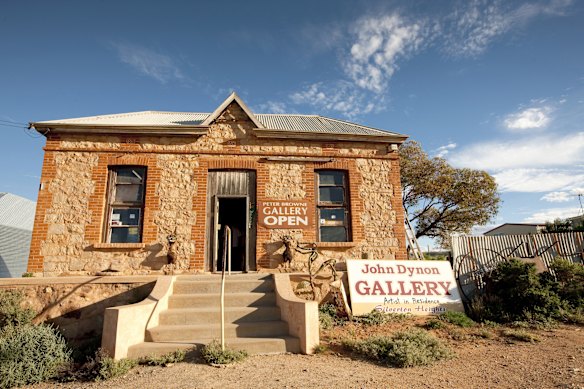
This almost-abandoned 1880s silver-mining town has the requisite colonial-era ruins, abandoned machinery, quirky atmosphere and fabulous red-dust setting that stretches to the horizon-bending Mundi Mundi Plains. It also makes appearances in iconic movies from Mad Max 2 to Priscilla, Queen of the Desert. Visit the jail, the mine, a Mad Max museum – and of course the pub. Silverton is a distillation of everything quirky and wonderful about outback Australia. See visitnsw.com/destinations
THE HISTORIC VILLAGE
Richmond, Tas
Population 1583
If it weren’t for the eucalypts, you’d be forgiven for thinking you’d strayed into a Jane Austen novel in this prettily situated village near Hobart that preserves over 50 Georgian-era buildings and Australia’s oldest stone span bridge and oldest Catholic Church. A convict jail reminds of a less picturesque past. Richmond is now cheerful with cafes, chintz-filled shops and surrounding cellar doors. See discovertasmania.com.au
THE SEASIDE VILLAGE
Robe, SA
Population 1252
We have no shortage of delightful seaside candidates, but this corker between Adelaide and Melbourne has it all: aquamarine water, extravagant beaches, towering dunes and a backing of rugged mallee. The town itself has 70 heritage buildings, abundant boutiques, crayfish restaurants, two historic pubs and two breweries. Swim, surf, fish, hike coastal trails, take in the sunset from Beacon Hill, and wave big-city stress goodbye. See robe.com.au
THE FOOD LOVERS’ VILLAGE
Meeniyan, Vic
Population 840
Synch your appetite with your arrival time to the village two hours from Melbourne of quality food offerings lining both sides of the leafy median strip. Southern Italy meets South Gippsland at Trulli Outdoors for wood-fired pizzas, house-made gelato and local Sailors Grave beer; Meeniyan Store for homemade cakes or Mahob at Moo’s for Cambodian fare. The art gallery hosts exhibitions monthly and the intimate town hall draws global musicians, Grammy-winner Ruthie Foster & Band among them. Fittingly, it’s BYO snacks and drinks. See visitgippsland.com.au
THE SCENIC VILLAGE
Kalbarri, WA
Population 1478
While some Aussie villages won’t win prizes for prettiness, they’re relaxing pit stops on long drives and offer access to spectacular scenery. Case in point, Kalbarri on the Coral Coast Highway. Its attractions run only to pubs and pelicans, but its surrounds are staggering. Sandy cliffs plunge into turquoise ocean, a national park is flamboyant in rust-red gorges, Hutt Lagoon is ridiculously pink, and springtime wildflowers are sumptuous. See kalbarri.org.au

















































