
 4 months ago
89
4 months ago
89
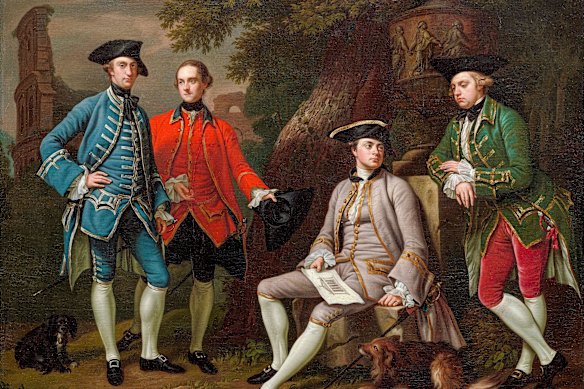
Before travel became the behemoth it is today, there was something known as the Grand Tour. A rite of passage for 17th and 18th-century aristocrats, the Grand Tour of Europe was a once-in-a-lifetime opportunity to explore the Continent’s wonders firsthand.
Travel can be hard work at times even today but back in those days it was a lot harder as you rattled along rough roads in private horse-drawn carriages and hired coaches. But it offered a mind-expanding opportunity to soak up beauty, culture and history.
Almost a decade ago, Traveller created its own updated, modern-day grand tour of Europe itinerary that swapped out the original destinations – places like Paris, Rome and Florence – for destinations that were then considered by some a little more adventurous.
What a difference a decade makes. Looking back at that story recently, we realised how quickly travel changes, for good and bad, with many of our selected highlights now either part of the mainstream or otherwise problematic.
Budapest is a favourite port for river cruisers, Seville is battling overtourism and St Petersburg is off-limits following Russia’s war with Ukraine.
Sign up for the Traveller Deals newsletter
Get exclusive travel deals delivered straight to your inbox. Sign up now.
While travel to the Continent from here is a little challenging currently, it surely won’t stay that way forever, and before we know it Australians will be flocking back.
Therefore, Traveller decided it was time to review and reinterpret our Grand Tour concept. But it’s not just about choosing new destinations. Grand Tourists were unafraid to cover a lot of territory, and 10 years ago we didn’t think twice about flying from one destination to another.
These days sustainability is more of a consideration, of course, and we appreciate that how you travel can be as important as where you go, and that sometimes the journey is, yes really, the destination.
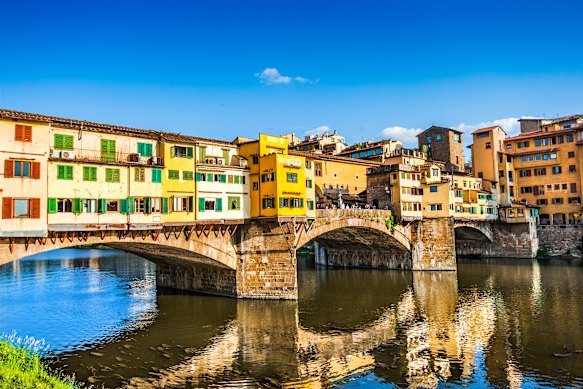
Bearing all that in mind, we have put together our Grand Tour 2026 itinerary, a trip that is about travelling more slowly and diving deeper. Yes, there are still some flights in there, but also trains and ships. Some of the places will be familiar, others less so, but all of them aim to evoke the same sense of inspiration and delight that defined the original Grand Tour.
DAYS ONE TO SEVEN
Cruise Norway’s most scenic shores
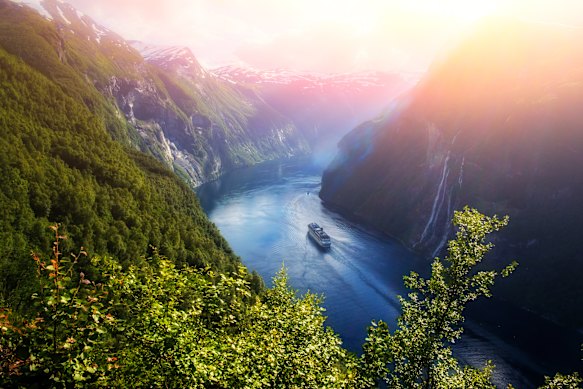
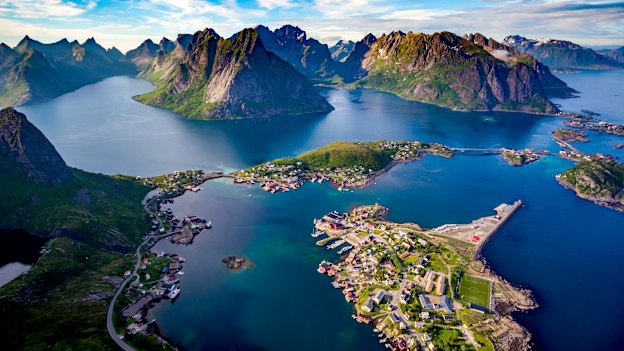
Why here Europe has plenty of beauty spots but none quite like the Norwegian fjords with Norway growing in popularity enormously since we published our last Grand Tour. Cruising through the country’s deep north is a mesmerising experience, one that will leave you blown away by the dramatic scenery.
The itinerary The stretch from Kirkenes, high above the Arctic Circle, to the port of Bergen is spectacular, calling in at ports including Tromso, Trondheim and Alesund.
The backstory Anyone wanting to take this journey faces two major choices. The first: deciding which cruise line to sail with. (Depending on your budget, Havila Voyages and Hurtigruten are good choices.) The second is harder: deciding which time of year you would like to sail. Summer may seem the obvious choice, with the midnight sun giving you plenty of time for sightseeing, but don’t underestimate the ethereal beauty of Norway in winter – and the marvel of the Northern Lights.
The highlights Before you board your cruise, spend time in the small town of Kirkenes, a quirky place where signs feature multiple languages (it sits close to both the Finnish and Russian borders) and activities range from hiking, biking and river boating in the summer to snowmobile tours, dog sledding and king crab safaris in winter – not to mention sleeping in the snow hotel. Once you step aboard your chosen ship, every day is a highlight. Sit back and drink in the constant interplay of light and shadow across the glaciers, snow-topped peaks and craggy fjords.
Top ports to explore include Tromso, known for kayaking, hiking, whale safaris and lively nightlife, and Trondheim. This former Viking capital is home to both the PoMO museum of modern and contemporary art and the monumental Nidaros cathedral, a masterpiece of medieval Gothic that has stood here for almost 1000 years. Trondheim also has a surprisingly sophisticated dining scene – it was the first place in Norway to be named a European Region of Gastronomy back in 2022.
Other memorable ports of call include the Lofoten Islands, where tiny red-painted houses throw the super-sized landscapes into sharp relief, and Alesund, with its eye-catching art nouveau architecture.
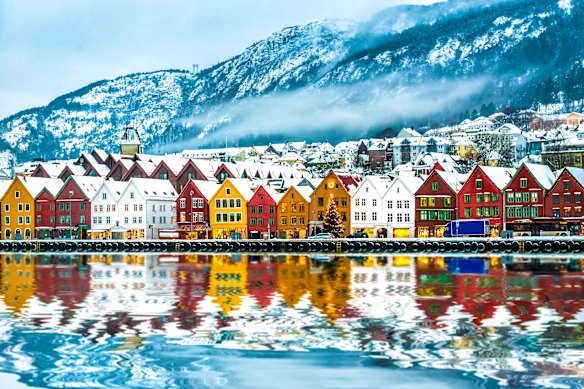
Wait. There’s more Ringed by mountains and facing a fjord, Bergen is perhaps Norway’s loveliest city, so don’t be in a rush to leave. Beyond the standard must-dos – strolling amid the historic wooden houses of the Bryggen district and taking in the mountaintop view from Floyen (take the cable car if you are not up for the hike) – stretch your legs on some of the area’s other hikes, or get to know colourful neighbourhoods like Nordnes.
Moving on Bergen Airport connects with many European capitals. We are flying Wizz Air to Gdansk in Poland.
See visitnorway.com
DAYS EIGHT TO 14
Go city hopping in Poland
Why here If you’re looking for a classic Central European experience that doesn’t hit your wallet hard, Poland is another destination that’s emerged since we published our last Grand Tour itinerary. Today, Poland, home to no fewer than 17 UNESCO World Heritage sites, is a smart choice.
The itinerary Visit three of Poland’s most appealing cities, Gdansk, Warsaw and Krakow, using the country’s high-speed rail. The longest stretch, between Gdansk and Krakow, takes about five hours, while the other trips are about 2½ hours.
The backstory Poland has powered through the travails of the 20th century and is now one of the fastest-growing destinations in Europe. The mountains and coastline draw plenty of visitors, but we focus on exploring the historic streets of its picturesque cities, many of which were meticulously rebuilt after World War II.
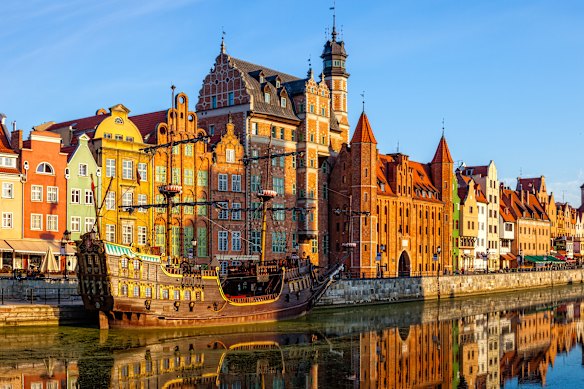
The highlights Gdansk’s position on the Baltic coast at the mouth of Motlwa River made it a wealth trade hub during the Middle Ages. The evidence is there on the Royal Route through the heart of the old town, lined with gobsmackingly ornate buildings, including the gothic Town Hall, the elegant Artus Court and the 17th-century Neptune fountain. Other must-sees include the delightful Mariacka Street, and St Mary’s Church, the largest brick church in the world. More contemporary events come into focus at the European Solidarity Centre, which charts the path from the 1970s Gdansk shipyard strikes to Poland shaking off Soviet rule. Warsaw, left in ruins after World War II, is now a dynamic contemporary capital where Europe’s tallest skyscraper, the Varso Tower, sits alongside Soviet-era relics and reinvented industrial sites such as the two-hectare Fabryka Norblina, a metal-goods factory that now houses, among other attractions, Warsaw’s largest food hall.
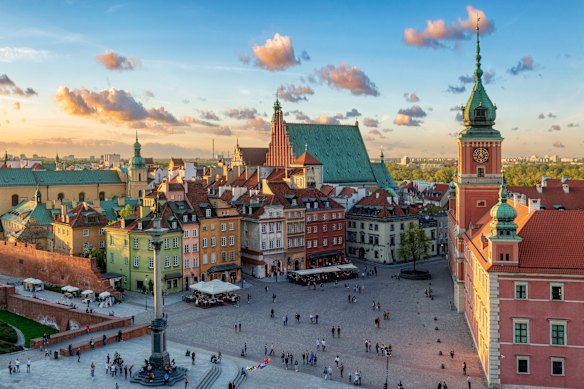
Museums worth checking out include the Museum of Modern Art, the eye-catching POLIN Museum of the History of Polish Jews, and the retro neon signs from across the Soviet bloc on display at the Neon Museum. Stroll through some of the city’s many pretty parks, visit the compact, reconstructed Old Town and Wilanow Palace, a rare survivor which made it through the war unscathed. Warsaw is also known for its lively bar scene, and is one of Europe’s vegan hubs. As befits the royal capital of Poland for over 500 years, Krakow has some splendid landmarks, including the Renaissance castle, looking down on the old town, the adjoining Wawel Cathedral, where former kings and queens are entombed, and the largest medieval main square in Europe. Wander through its neighbourhoods – especially the character-filled Kazimierz, a vibrant Jewish district until the Nazis’ mass deportations – and you will find plenty of photogenic corners, with architecture ranging from medieval to art nouveau. Get to grips with the darker side of history at the Schindler’s Factory museum and at the nearby extermination camp of Auschwitz-Birkenau, and take a trip underground to be wowed by the underground lake and salt cathedral of the Wieliczka Salt mine.
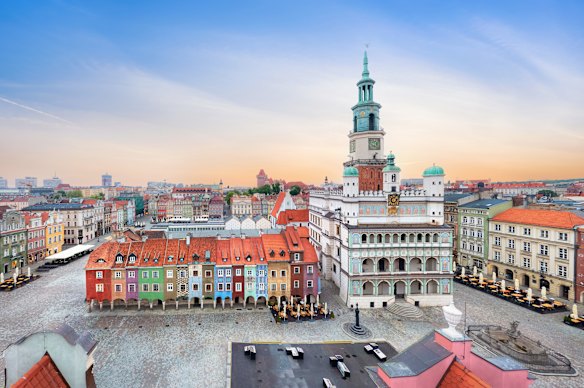
Wait. There’s more Poland has plenty of other great destinations. From Warsaw take a day trip to Poznan, known for its Renaissance old town, or from Krakow head to Wroclaw, built across 12 islands linked by 130 bridges.
Moving on Air Serbia has direct flights from Krakow to Belgrade, our next destination on our revised Grand Tour of the Continent.
See poland.travel
DAYS 15 TO 19
Ride the Balkans’ most famous railway
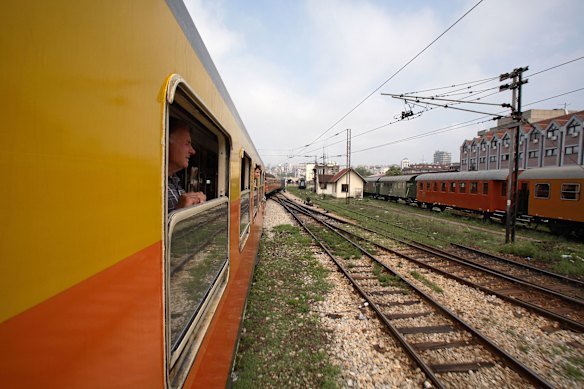
Why here The Belgrade to Bar railway connecting Serbia with Montenegro – two rapidly emerging Eastern European destinations – is top of many rail buffs’ and travellers’ wish lists. What sets this journey apart is not the length (it is a long day trip) or the train’s decor (think shabby chic without the chic) – it is the sheer drama of the landscapes through which you pass.
The itinerary Your 500-kilometre journey starts at Belgrade Centar station. Cautious travellers bring their own food and drink, as the dining car is fairly spartan and is also likely to be filled with smokers. Expect to arrive at Bar station about 12 hours later, although delays are not unknown.
The backstory The country of Yugoslavia may no longer exist – it split into seven separate states in the 1990s – but the Belgrade to Bar railway is a permanent reminder of its existence. The Yugoslav government began construction on the line in 1951, which was finally opened in 1976.
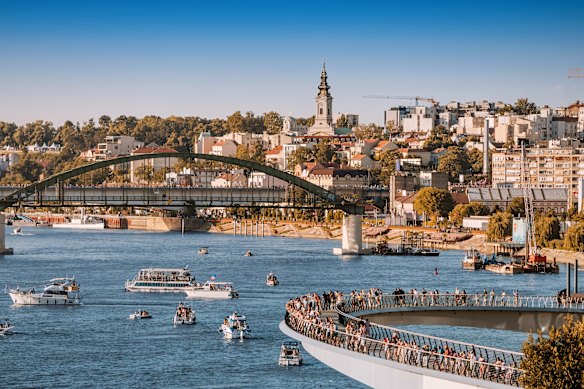
The highlights Since you’re in Belgrade, spend a couple of days getting to know Serbia’s lively capital. Tucked in between the Sava and Danube rivers, it has an odds-and-ends collection of brutalist socialist blocks, Ottoman and Habsburg relics and beautiful art nouveau buildings. Belgrade’s appeal lies not with its monuments (although the Old Palace and the Church of Saint Sava , Serbia’s largest Orthodox church, are worth a visit) but with its colourful neighbourhoods and its inhabitants’ zest for life, on show in the city’s many cafes, bars, and kafane (taverns). Be sure to explore the cobbled streets of the former Bohemian quarter of Skadarlija, now packed with galleries and antique shops; the cafe-lined Republic Square, and Zemun on the bank of the Danube, which has been part of Belgrade for less than a century and has retained a distinctive vibe. If you have the energy, make a night of it aboard one of the city’s famous splavovi, nightclubs housed on river barges. Don’t stay up too late, though – you won’t want to miss a moment of your train trip.
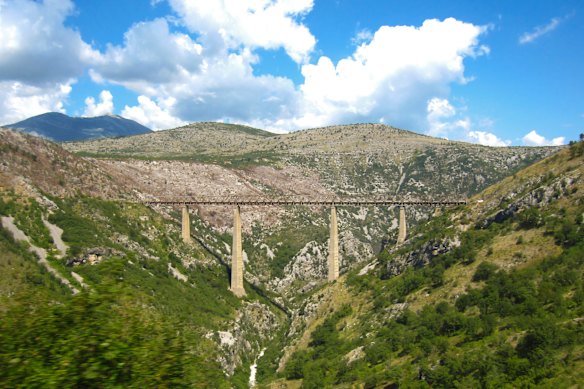
The railway is an impressive engineering feat including more than 250 bridges and 200 tunnels, necessitated by the ever-changing terrain of river gorges, deep canyons and high Alpine peaks. There are some tranquil moments – farmhouses surrounded by orchards, isolated monasteries, serene lakes – but on the whole expect plenty of gasps, especially when you cross the 200-metre-high Mala Rijeka viaduct, which held the title of world’s highest railway bridge until 2001. Happily the train curves around the valley after the crossing, you can look back and snap some photos. The last stretch to Bar, along the Adriatic shoreline, is a tranquil contrast.
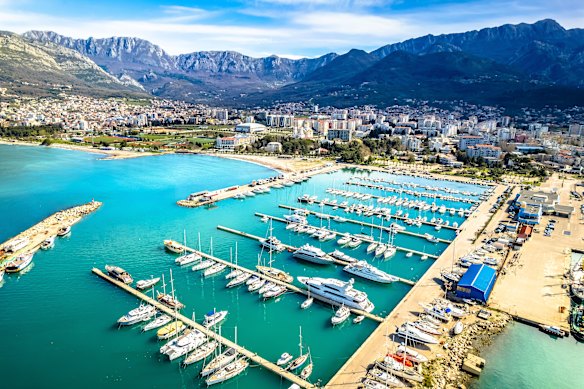
Wait. There’s more Allow at least a day or two to explore the nearby Bay of Kotor, a fjord-like beauty where high walls frame the sparkling sea. Top destinations include the walled town of Kotor and the nearby village of Perast, while a boat trip is also highly recommended.
Moving on It is a two-hour bus trip over the border to Shkoder in Albania (private transfers are also available). You will save money by waiting until Albania to rent a car for the next leg.
See serbia.com; montenegro.travel; eurail.com
DAYS 20 TO 25
Encounter the “North Korea of Europe”
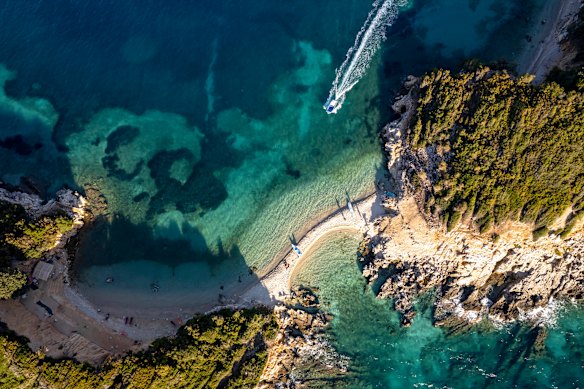
Why here Long one of Europe’s poorest countries, and one that would have hardly qualified for inclusion in our previous Grand Tour, Albania is today drawing adventurous travellers with a long list of attractions including stunning alpine peaks, sandy beaches and historic towns – not to mention budget-friendly prices. But as this is still an emerging economy, be prepared for a little chaos along the way.
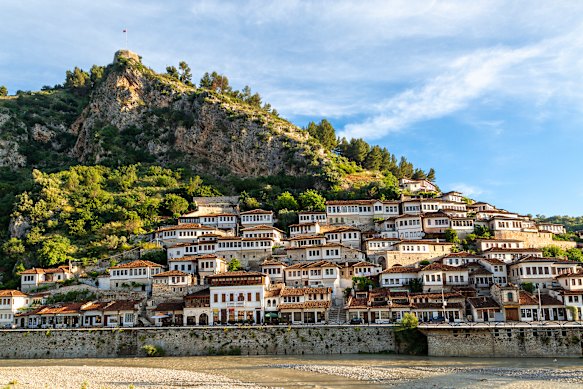
The itinerary Tourist infrastructure is still developing so if you want to hit all of Albania’s highlights, a road trip is the way to go. This route winds its ways from the lakes and mountains of the north through the capital, Tirana, past historic highlights including the towns of Berat and Gjirokaster, on to the beaches of the so-called Albanian Riviera.
The backstory Albanians survived 40 years of isolation under dictator Enver Hoxha, who died in 1985; the communist government collapsed seven years later. Although the country hopes to be admitted to the European Union by 2030, Albania still lags its Western European neighbours, something to bear in mind when choosing between self-driving and hiring a driver. In Tirana especially, the traffic is terrible, and narrow mountain roads can also be challenging. Furgons, or mini-buses, are a suitable option for budget travellers.
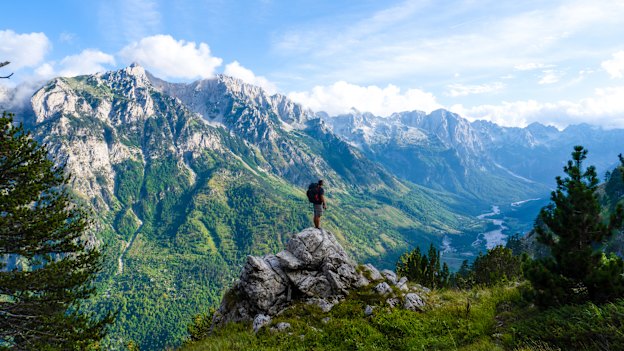
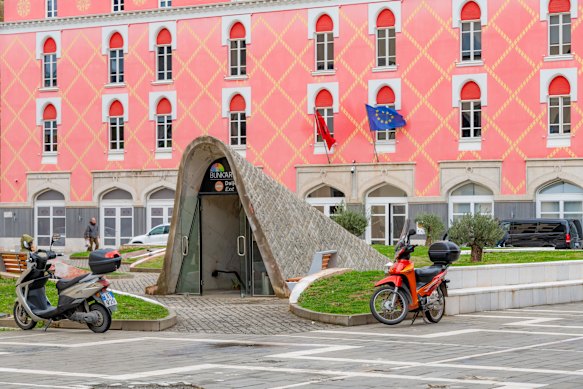
The highlights Start your adventure in Shkoder, a city surrounded by three rivers and watched over by the ruins of Rozafa Castle. The city’s architecture bears traces of its many rulers – Romans, Serbs, Venetians, Ottomans – and is a great base to explore some of Albania’s most striking scenery. As well as visiting nearby Lake Shkoder, take the spectacular Komani Lake ferry to Fierza and then up to the Valbona Valley, starting point for the full-day Valbona to Theth trek which has jaw-dropping views the whole way, particularly at the 1700-metre-high Valbona Pass. Head back to Shkoder and on to Tirana, home to covered markets, the largest mosque in the Balkans, a striking Orthodox cathedral and the hip bars, cafes and clubs of the Blloku district. Tirana’s more unusual attractions include a modern pyramid originally designed as a museum dedicated to Hoxha, and Bunk’Art 1 and 2, fascinating museums located in repurposed nuclear bunkers (Hoxha’s paranoid regime built about 750,000 of them.) Keep heading south to visit two of Albania’s World Heritage-listed towns. Both Berat, the City of a Thousand Windows, and Gjirokaster, the City of Stone, are known for their distinctive Ottoman architecture and their scenic settings.
Wait. There’s more You can easily spend a couple of days exploring Albania’s south. Base yourself in Vlore and as well as checking out the local beaches – you can find both lively and deserted beaches along this stretch of coast. And take a full-day boat trip along the uninhabited Karaburun Peninsula.
Moving on Cross the border into Greece, our next Grand Tour stop, at the Kakavija/Kakavia border crossing near Gjirokaster, then head to the town of Kastraki.
See albania.al
DAYS 26 TO 30
Discover the alternative side of Greece
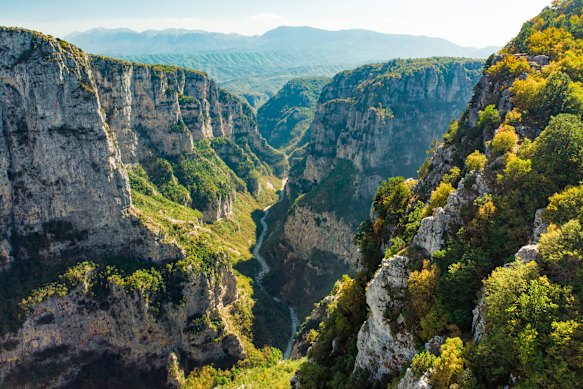
Why here If the word “Greece” conjures images of whitewashed villages and rocky beaches, northern Greece will come as a surprise. The region’s mountains, forests and gorges have a typical Balkan feel that contrasts with southern Greece’s Mediterranean vibe.
The itinerary The drive from the Albanian border to Thessaloniki takes in noteworthy attractions, including Vikos Gorge and the monasteries at Meteora. Base yourself in Thessaloniki, Greece’s second-largest city, to take a dive deep into the area’s history.
The backstory Much of northern Greece has long been contested territory – the province of Macedonia became part of Greece in 1913, and western Thrace followed 10 years later. Thessalonika has a long history as a cosmopolitan, multicultural city that is far less well-known than Athens, which welcomes three times as many visitors a year.
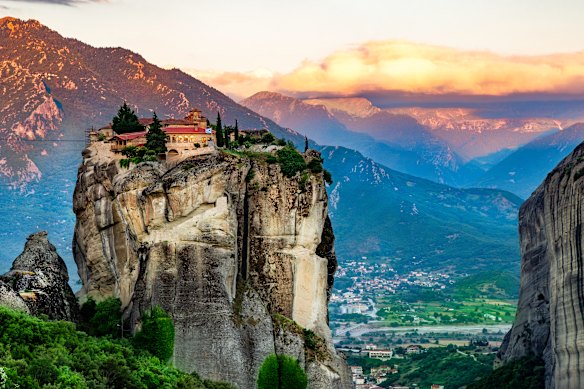
The highlights Less than two hours’ drive from the border, the city of Ioannina was once known throughout the Ottoman Empire for its talented silversmiths. You can still pick up artisanal pieces in the fortified old town, and this lakeside city sitting beneath towering mountains has become a popular weekend escape for Athenians. It is also a good base for rafting the lovely Arachtos River or hiking the 12-kilometre-long, 900-metre-deep Vikos Gorge. From Ioannina you can reach Thessaloniki in three hours but an overnight stop in the village of Kastraki is recommended if you want to visit the unforgettable monasteries at Meteora. Sitting precariously atop naturally sculpted 400-metre-high stone pinnacles, these 14th-century monasteries are a breathtaking sight. And if you think they look good from the ground, wait until you get to the top and succumb to the sensation of feeling utterly removed from the rest of the world.
Another three hours will take you to Thessaloniki, a port city that withstood both a disastrous fire in 1917 and a major earthquake in 1978. As a result, today’s cityscape is a jumble of architectural styles, from Roman ruins (including the Arch of Galerius, the Rotonda and a Roman forum), to Ottoman survivors including the colourful Upper Town and the Hagia Sofia church. There is also a great selection of day trips, with top picks including the ruins at Pella, the capital of ancient Macedonia during its heyday, and the World Heritage-listed royal tombs at Vergina, including the tomb of Alexander the Great’s father, Philip.
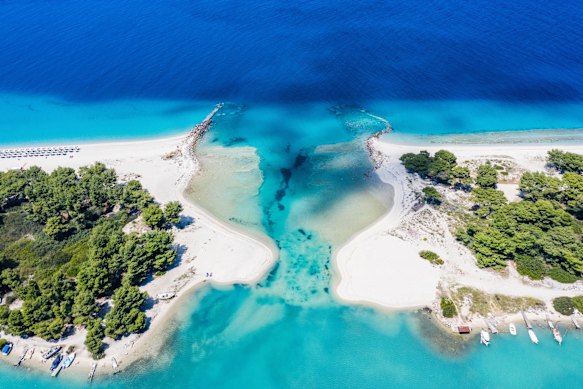
Wait. There’s more Northern Greece has its own coastal getaways and the best are at Halkidiki, which has 500 kilometres of coast stretching along three peninsulas. If you like your beach getaway to have a bit of a buzz, head for Kassandara. Sithonia is a little more remote, and the place where you are likely to find less-crowded places to swim.
See visitgreece.gr
Touring the Continent: then and now
PLANES
Then The launch of the Boeing 747 in 1970 kick-started a boom in airport expansion. In 1972, Frankfurt’s new Terminal Mitte doubled the airport’s annual capacity to 30 million passengers a year, while Paris’ Charles de Gaulle Airport opened in 1974.
Now In 2025, a record 2.6 billion passengers travelled through the 600 airports represented by the Airports Council International Europe, including 63 million through Frankfurt and 72 million through Paris Charles de Gaulle.
TRAINS
Then Europe’s first continental high-speed train, La Direttissima, opened in Italy in 1977, connecting Rome and Florence.
Now More than 10,000 kilometres of high-speed rail network operates across countries including Spain, France, Germany, Italy, Belgium and the UK.
CRUISES
Then Before and after World War II, trans-Atlantic cruising was big business. It declined after the introduction of trans-Atlantic flights.
Now River and coastal cruising are now booming, with 8.44 million passengers in 2024. Popular European lines include MSC (launched in 1970), Ponant (1988) and Viking Cruises (1997).
MONEY
Then In 1975 dozen of different currencies were in use across Europe, including the French franc, the German deutschmark, the Italian lira, the Dutch guilder, the Spanish peseta, the Austrian schilling and the Greek drachma.
Now Since the introduction of the euro in 2002, it has been adopted by 21 European countries including Finland, Malta, Ireland, Bulgaria, Portugal, Slovakia and Slovenia.

















































