 2 months ago
51
2 months ago
51

The first whales swimming north for the winter have already been spotted off the coast of Sydney, with some maritime operations turning to artificial intelligence to help reduce one of the marine mammals’ deadliest direct threats – boat strike.
Humpback whales (Megaptera novaeangliae) have made an extraordinary comeback after industrial whaling brought the species to the brink of extinction last century, but there is some evidence the migration is starting earlier or at least becoming less predictable.
The population of humpback whales on the Australian east coast now exceeds 50,000 – 20,000 more than the pre-whaling estimates from the 1900s – marine scientists told the federal government in a report last year. In the 1960s after decades of whaling, there were just 300-500 individuals.
Humpback whales spend summer in Antarctica gorging themselves on krill to put on as much blubber as possible – “an extended Christmas lunch”, as Macquarie University whale scientist Dr Vanessa Pirotta puts it.
They return to warmer waters in winter to breed. In Sydney, the whale migration season generally lasts from May, when the first whales pass by on their northward journey, to November, when the final stragglers return southward.
Jason Iggleden, who flies his drone at Bondi every morning and posts on Instagram as @dronesharkapp to 251,000 followers, spotted a humpback whale heading north on March 22. He usually does not see the first one until the middle of May.
Research published last July in Nature suggests the southward migration has shifted earlier by at least three weeks, and there is a strong correlation between the migratory timing and sea ice coverage in the whales’ Antarctic feeding grounds.
Pirotta said most humpbacks stick to the May-November season, but there were increasing reports of unseasonal sightings of whales. It was unclear if this was an environmental change or if it was a result of the increased population making them more visible, she said.
“Whales may be adapting where they’re feeding – so feeding in Australian waters in addition to Antarctica, the warming of the oceans may cause certain prey to do different things where the whales react to that,” Pirotta said.
The life cycle of Antarctic krill relies on sea ice, which is under threat from climate change. Pirotta like other scientists is also concerned by the level of industrial krill fishing in the Southern Ocean to supply the health supplement, pet food and aquaculture industries.
Pip Jacobs, a spokesperson for the Organisation for the Rescue and Research of Cetaceans in Australia (ORRCA), said it was uncommon but not unusual to see humpbacks “out of season”, and scientists were also exploring a third theory.
“There is a school of thought that there may be a resident population of humpback whales off the east coast of Australia,” Jacobs said.
A spokesperson for the NSW Department of Climate Change, Energy, Environment and Water said the impact of climate change on migration timings was not currently known.
“It is also possible that migration timings are trending back to what they were before now the population has recovered to pre-whaling numbers,” the spokesperson said.
AI reducing boat strike risk
With increased prevalence and unpredictability comes a heightened chance of a collision between a whale and a boat or ship. Globally, about 20,000 whales die every year from boat strikes, figures from the International Whaling Commission and Friend of the Sea suggest.
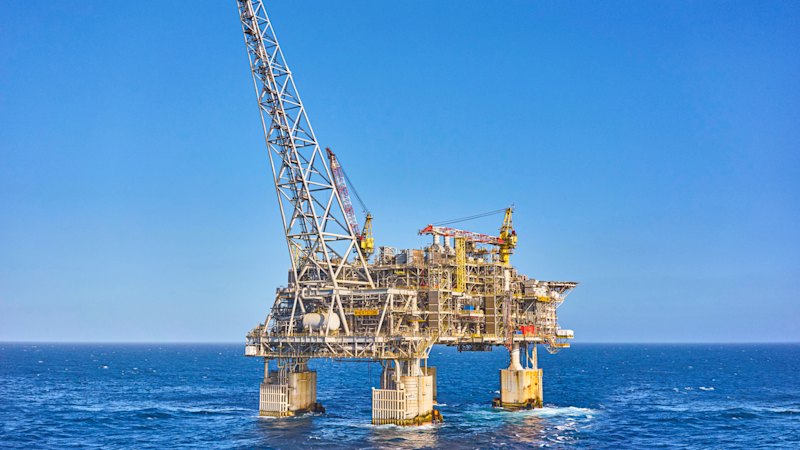
An artificial intelligence-powered camera that can detect whales and predict their path of travel is aiming to reduce that. Greenroom Robotics chief operations officer Harry Hubbert said the tool, called Lookout+, has been deployed globally mainly in highly regulated industries such as offshore oil energy and transport.
“We have autonomous boats out there in the world that we provide software for, and then in that case, it will change the direction of the boat,” Hubbert said. “For the crewed vessels, typically it just provides the captain more information so they can make a decision.”
Last year NRMA Marine deployed it on its Sydney-based whale watching vessel Fantasea Avalon to boost the number of whale sightings and reduce the risk of boat strikes.
Nigel Ellsmore, NRMA’s chief operating officer for marine, said the technology was effective so far though still developing, providing an additional level of safety especially since whales often ventured into the harbour.
As well as the early humpback sightings, over the past few weeks there have been reports of six strandings of Blainville’s beaked whales between Newcastle and Wollongong, including one that was successfully pushed back to sea at Bondi, and one that was stranded near Frenchs Forest and died.
Blainville’s beaked whales are an elusive offshore species that are typically found in deeper waters.
Get to the heart of what’s happening with climate change and the environment. Sign up for our fortnightly Environment newsletter.