 2 months ago
52
2 months ago
52
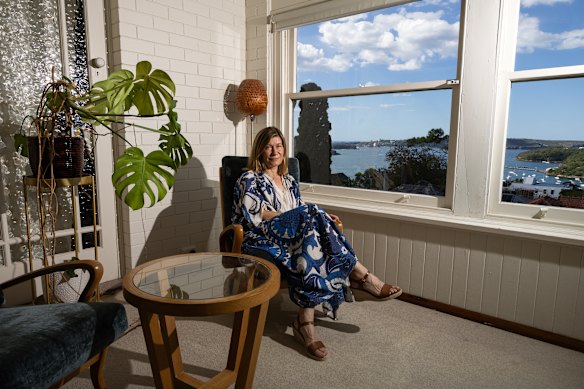
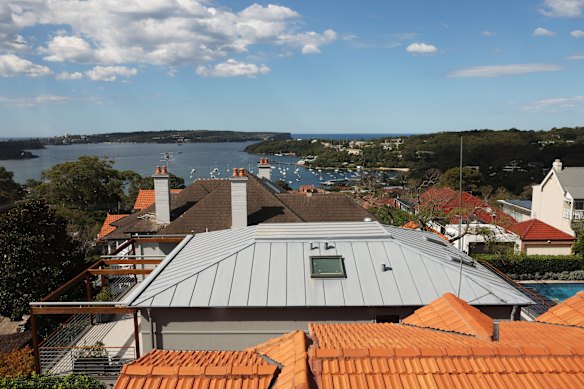
Like many before her, Angela Durrant was drawn to Mosman by its low-rise streets, sloping harbour views and a sense of life that unfolds at a slower pace than the CBD a few kilometres away.
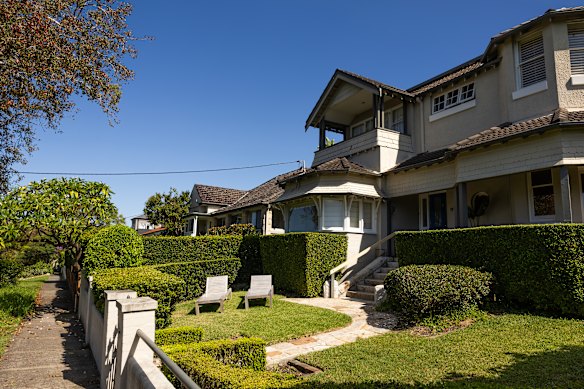
For 18 years, she has raised a family of five in a 1930s six-unit apartment block with “house-like proportions,” where family milestones have quietly accumulated. Her daughter is school captain at Mosman High; her husband is a regular at Balmoral Baths.
“Our street is a community,” she says. “The neighbours all know each other, we have each other’s keys … it’s just a really beautiful place to be.”
But a month ago, that sense of permanence that has long defined one of Australia’s most sought-after postcodes was shattered when Durrant learned her Muston Street home would be bulldozed.
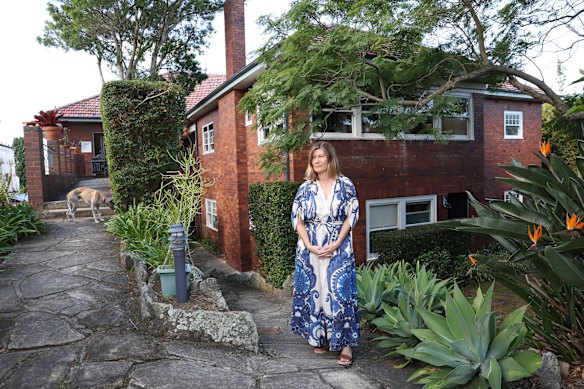
In its place, developer group Prosker plans to build an eight-storey complex with 13 units, complete with a wellness centre, golf simulator, swimming pool and a steam room.
For Durrant, the news has been devastating.
“At the moment we’re in limbo waiting to find out when we’ll have to pack up and move,” she said.
“It’s not just a building – it’s our life. It’s where our kids have grown up, where all our memories are. You don’t just replace that.”
Scenes like this are unfolding across a suburb that has long maintained a carefully preserved identity defined by stunning views, mature gardens and an architectural time-capsule feel.
As the NSW government’s aggressive housing density policies collide with Mosman’s “village” identity, the suburb is finding that time is no longer standing still. In fact, it is moving very fast.
The pace of change is striking. For a decade, Mosman has averaged a mere 32 home completions per year. Under the NSW government’s commitment to facilitate 377,000 homes over five years to combat a generational housing crisis, Mosman is required to deliver at least 500 by 2029.
However, the state’s low and mid-rise (LMR) housing policy – which allows buildings up to six storeys within 800 metres of town centres – has already triggered a development boom in Mosman far exceeding that target. Since the policy took effect in February last year, 15 major proposals have been lodged, totalling 625 dwellings and representing more than $620 million in investment.
“The only way we can lift housing supply is by building more homes everywhere – including Mosman,” NSW Planning Minister Paul Scully said.
The policy framework driving these changes extends well beyond Mosman. The LMR policy aims to deliver 112,000 new homes across 171 town centres and transport hubs over five years. As of January, Kogarah, Baulkham Hills, St Ives, Mosman and Nelson Bay lead in the number of LMR proposals.
In Mosman, the backlash has been significant. Of the 1493 submissions lodged in response to the first 10 development feedback periods, the overwhelming majority have been in opposition.
Mosman Council, caught between state mandates and fierce local opposition, is attempting to chart its own course. In a unanimous decision on Tuesday night, councillors voted to develop an alternative planning strategy to the LMR reforms, the Mosman Masterplan.
The strategy aims to funnel the required density toward Spit Junction and the congested Military Road corridor – one of Sydney’s busiest thoroughfares. By sacrificing the main road to high-rise development, the council hopes to invalidate the state reforms across “sensitive” areas such as Balmoral and Mosman Bay.
The plan also explores redeveloping council-owned land including the Mosman Bowling Club to absorb the required density.
Mayor Ann-Marie Kimber says the plan is about meeting the state’s housing requirements while respecting Mosman’s “identity, character and heritage”.
While the council has framed the target as “manageable and proportionate” compared with significantly larger housing allocations in other council areas, the trade-offs are significant.
Taller buildings up to 20 storeys – once unthinkable in Mosman – are now being openly contemplated as the price of retaining control over where development occurs.
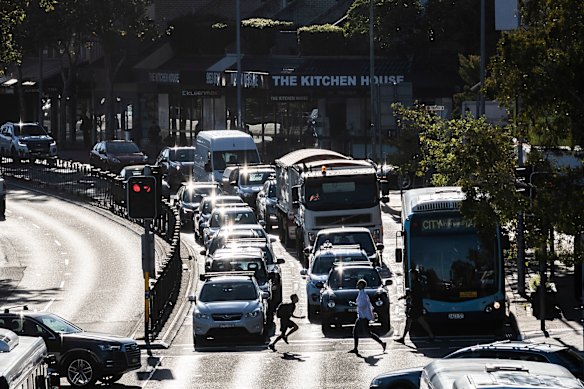
The broader planning reality remains unchanged. While the council has committed to developing a masterplan within eight months, the LMR policy remains active and development applications continue.
For long-term Mosman residents like Peter Marshall, the impacts are already at the doorstep. A proposed development next to his home would wipe out his harbour views of North Head, a vista he has enjoyed for 37 years.
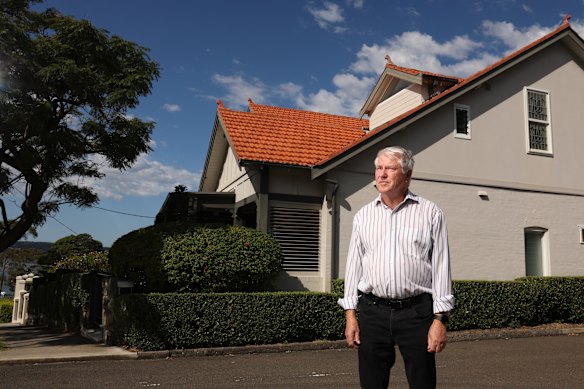
“I’ve received calculations showing a $500,000 decrease in my property value due to loss of views and overshadowing,” Marshall said.
For Martin Skipper, a resident who has become a fixture at council meetings where the surge in development activity in Mosman has been hotly debated, the issue isn’t just about shadows or views – it’s about the soul of the suburb.
“All over Mosman, residents are being emotionally affected,” he said. “We want more housing, it’s crucial – but to ruin people’s homes and livelihoods is wrong. There’s got to be a sensible approach.”
The “sensible approach” being touted by some developers aims to address the demographic make-up of the suburb where the median house prices is $5.8 million and the average age of residents sits between 40 and 59.
Prosker chief executive Tim Foote argues resistance to change reflects an unwillingness to adapt.
“I say to the people complaining – who are mostly aged in their 70s-plus – where do you want your children and grandchildren to live?” he said.
“At the moment they don’t live here because we’ve held on so tightly to our properties that we’ve forced prices up. It’s a tragedy.”
Housing advocate and Sydney YIMBY chair Justin Simon says the LMR reforms have addressed an “imbalance” in where Sydney’s homes are built, but criticises Mosman Council’s plans to concentrate density along Military Road.
“Putting the highest population where all the traffic and noise is while allowing the most expensive houses to be shielded in quiet backstreets is not an equitable way of distributing housing,” he said.
Questions remain about whether the LMR reforms will deliver a meaningful increase in affordable housing in suburbs such as Mosman, where high land values can increase the cost of supply.
Skipper, who serves as a regional president of charity St Vincent de Paul, said the LMR framework – which grants developers height bonuses if they include affordable housing for 15 years – represents a “loophole to create tiny apartments” that will eventually revert to market rates.
However, Foote says affordable housing requirements under the LMR reforms would slash a weekly rent in Mosman from $3500 to $1000.
“Whenever I explain that to people, they’re like: ‘Oh, wow, where do I sign up?’” he said.
As the debate rages, the emotional toll is evident. Kimber acknowledges the upheaval is “incredibly unsettling”.
“There are a lot of people in the community that are getting a windfall in land values, but then there are other people who are having their properties severely impacted,” she said.
The council’s master plan will be developed with community consultation, with a final decision hinging on Scully’s approval.
For now, the pace of change has accelerated beyond what many expected. In the suburb time forgot, the clock has finally started ticking.
Start the day with a summary of the day’s most important and interesting stories, analysis and insights. Sign up for our Morning Edition newsletter.