
 3 months ago
70
3 months ago
70
Chinks in the sandstone walls of the colonial barracks in Sydney’s east are a lingering reminder of generations of soldiers who used the buildings as flint to light pipes or sharpen bayonets.
Hundreds of marks, scraped into the regency-style Soldiers’ Quarters and nearby buildings, point to nearly two centuries of military use – first to house nearly 700 British soldiers and later as a base for the Australian Army.
Hidden from the bustle of the outside world by high walls, tucked between Moore Park’s stadiums and the boutiques that line Oxford Street in Paddington, lies one of the nation’s most significant military sites.
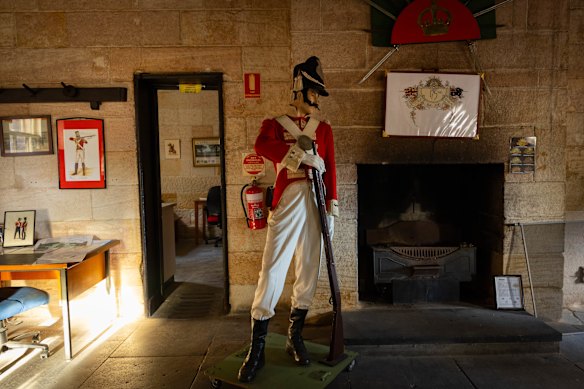
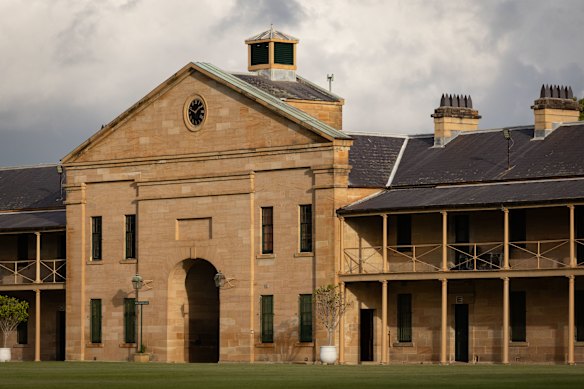
Victoria Barracks – a 15-hectare pocket of heritage-listed buildings, towering trees and a sprawling parade ground – has been thrust under the microscope of the federal government’s plan to sell vast swaths of Australia’s military real estate. Similarly to Spectacle Island on Sydney Harbour and HMAS Penguin in Mosman – which are also among defence force sites marked for full or partial divestment – the precinct is rarely seen by the public.
As the mass sell-off stirs debate about balancing military heritage with opening up prime inner-city real estate for public use or private development, the Herald was given a closer look at the Sydney spots.
Assistant first secretary of future estate implementation, Kate Leane, said there was “absolutely no doubt” the military sites played a “really important” role historically, but they were at odds with modern defence priorities.
“There’s a lot of emotional connection to these sites. They are special,” Leane said.
“That’s the other reason the government wants to open them up, so other people and the community have access, and we can showcase the history of defence and the role it played in the nation.”
Not everyone agrees. A growing alliance of military figures, heritage advocates, Labor MPs, Liberals, Greens and independents are vehemently opposed to the sale of the barracks, which the National Trust described as “one of the most exceptionally significant heritage sites in Australia”.
Premier Chris Minns on Friday defied his federal Labor counterparts as he urged them to rethink offloading the site, saying: “We need to protect it.”
Designed by Lieutenant-Colonel George Barney, who also built Fort Denison, Victoria Barracks was constructed between 1841 and 1848. It was occupied by regiments of the British Army until 1870, when the barracks transitioned to housing colonial forces. The heritage-listed complex now operates as the Headquarters of Forces Command – the army’s main operational command for raising and training brigades and units for combat – and is used at different times by about 200 defence personnel, reservists, cadets and staff.
The buildings and grounds are a mix of history and modern use. The 225-metre-long Soldier’s Quarters building, formed by two wings flanking a central archway, is used for offices. The Officers’ Mess, with its tufted leather lounges and vine-covered courtyard, was converted from a hospital into a hub for social events, weddings and accommodation in the 1930s. The barracks’ original 25-cell district military prison houses the Army Museum of NSW.
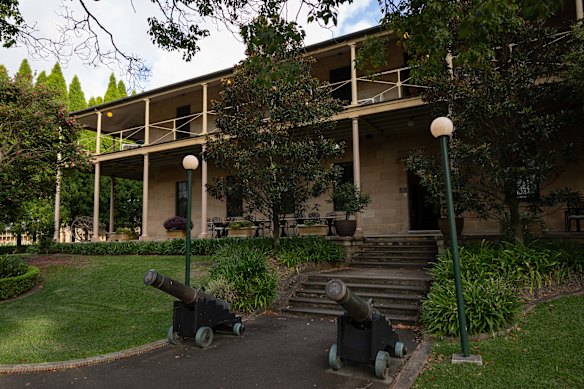
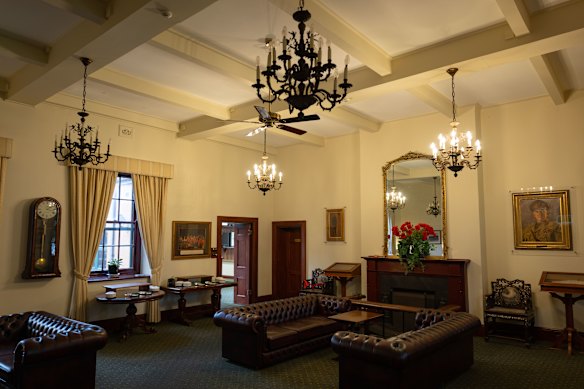
Leane said the department was consulting the public on the plan, and its role was to prepare the properties by shifting staff and equipment to nearby sites, before the Department of Finance handled the divestment process.
“They will be working very closely with the NSW government to understand the master-planning and what development controls might apply. Anybody who purchases this site will have obligations to protect heritage and other values,” Leane said.
The City of Sydney has embraced plans to open the barracks for cultural venues, green spaces and housing. But Minns, in his remarks on the eve of Anzac Day, said the government should “have another look” at the sell-off.
“I’m not sure who would buy it in any event. It’s heritage-protected, there’s not much you can do with the actual site,” Minns said.
“It’s one of the country’s oldest and most important buildings, and a lot of veterans have said this is important to them. Tradition is a massive part of a soldier’s responsibility, and they don’t take it lightly, nor should they.”
RSL NSW acting president Vince Williams was “totally appalled” at the prospect of selling the site, which he said should not be “a cash cow”.
“It’s our responsibility to ensure this iconic property remains in the hands of the Australian people and is not sold off to private enterprise.”
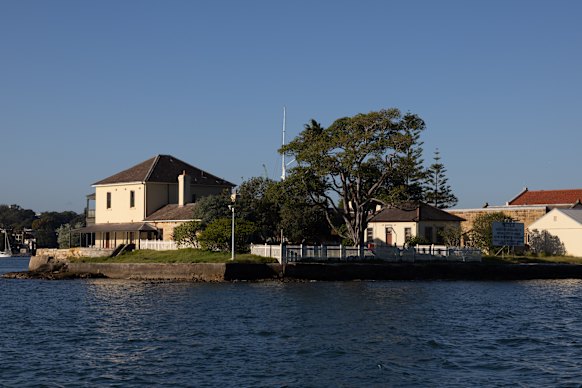
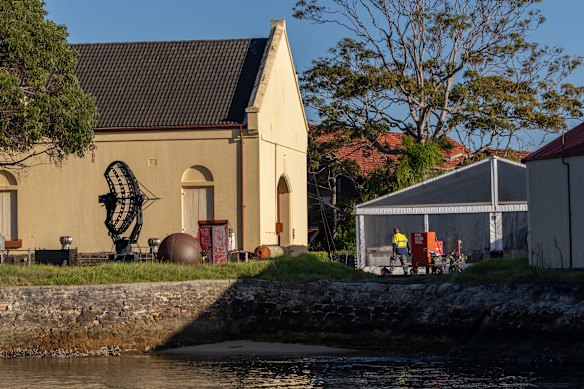
Further west, where Sydney Harbour meets the Parramatta River, security guards keep watch over the country’s oldest naval explosives complex, Spectacle Island – despite Defence having vacated the spot in 2023.
The two-hectare island near Drummoyne was established as a gunpowder store in 1865 and later used as a naval munitions depot. More recently, the buildings have stored the Royal Australian Navy’s heritage collection.
First secretary of defence transformation Peter West said it was “extraordinarily expensive” to fund around-the-clock security on the island, which remains off-limits to the public.
He said the island was a “beautiful place” – but it would present a challenge for any buyers.
The site is dotted with about 40 run-down buildings, including the Commander’s Residence, a two-storey stone bungalow on the eastern side.
West said the interiors were badly deteriorated, and the land would need to be remediated. As with Victoria Barracks, Commonwealth heritage listings would likely limit the scope of any future redevelopment. The island was also currently zoned for defence purposes, meaning any purchaser would need to work with state or local governments to rezone the land as a first step.
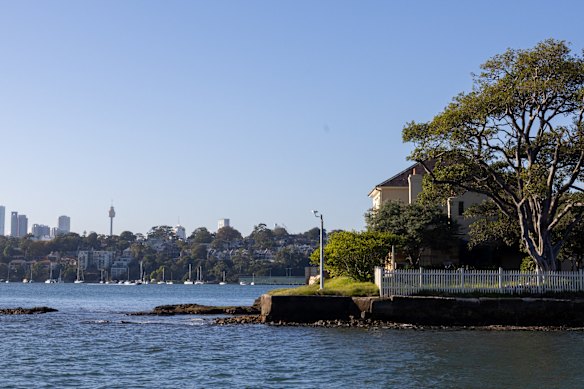
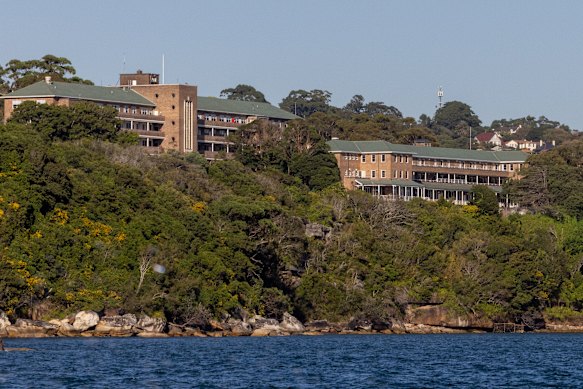
“It’s obviously not a location where you’re going to build housing. I’m not entirely sure what you would do with it; I’m sure someone’s got great ideas,” West said.
“I think the chance of Spectacle Island being rezoned by the state government for use as a billionaire’s playground is probably pretty low.”
The prospect of publicly owned land around the harbour being seized by private interests has raised alarm among Sydney’s heritage advocates.
West noted the department’s last significant disposal of defence lands around the waterway had formed the basis for the Sydney Harbour Federation Trust, which was established by the Howard government in 2001. The trust took control of heritage-rich spots including Cockatoo Island, Middle Head, and the sanctuary at North Head, to preserve them for future generations.
“There’s very much a precedent for giving these lands to community and public use. But it’s up to the Department of Finance to determine what the best value for the Commonwealth is,” West said.
Start the day with a summary of the day’s most important and interesting stories, analysis and insights. Sign up for our Morning Edition newsletter.

















































