3 months ago
51
3 months ago
51

A breakthrough free trade agreement with Europe will boost the Australian economy by $10 billion a year and cut prices for local shoppers, but angry farmers have accused the Albanese government of failing to drive a hard enough bargain to secure expanded access to Europe’s 450 million consumers.
A compromise deal will allow Australian producers to continue marketing their products as prosecco, parmesan and kransky, but names such as ouzo and parmigiano reggiano will be phased out.
European Commission President Ursula von der Leyen urged Australia and Europe to avoid overdependence on China, as she said democracies face an increasingly “brutal, harsh and unforgiving” world.
“Getting China right is a strategic imperative,” she said.
“We cannot and will not absorb China’s export-led growth model and its industrial overcapacity.”
The red meat sector labelled it the “worst ever free trade agreement” for beef and sheep farmers, while the motor lobby lamented the fact that the luxury car tax remains in place for most vehicles.
Prime Minister Anthony Albanese hailed the agreement as a “win-win”, calling it a “defining moment in the relationship between Australia and the European Union”.
“This is a comprehensive, balanced and commercially meaningful agreement that will reduce costs for Australian consumers and open new markets to Australian producers,” he said.
Von der Leyen said: “I’m so proud that we got this done because it’s a fair deal, and one that delivers for your businesses and one that delivers for our businesses.”
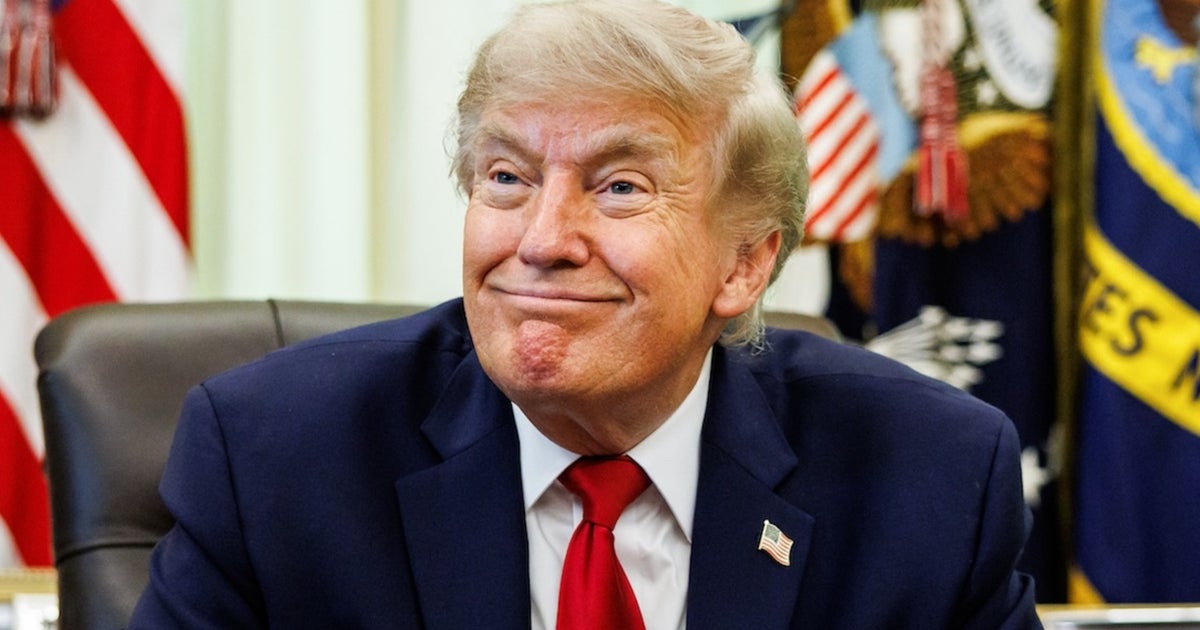
Negotiations for the agreement began in 2018, and collapsed in 2023 over a dispute over agriculture, but US President Donald Trump’s tariff policies breathed new life into the talks.
Australia’s current 5 per cent tariff on European imports will be removed, while 98 per cent of Australian goods exports will enter the EU duty-free when the agreement comes into force.
Albanese and von der Leyen also struck a new security and defence partnership, and an agreement to speed up Australia’s entry into the world’s biggest research and innovation fund.
In a bid to resolve the complex issue of the use of “geographic indicators”, Australian producers will continue to be able to use the term parmesan freely and existing feta manufacturers will continue to be able to use the term.
Ouzo manufacturers, however, will have to stop using the term seven years after the agreement comes into effect.
Prosecco producers will be able to label their wine prosecco in Australia indefinitely, but the term will be phased out for Australian wine for export over a period of 10 years.
Business Council of Australia chief executive Bran Black said: “This has been a long and complex negotiation, but this agreement delivers meaningful gains for Australian businesses and households, while also strengthening collaboration with Europe on research, innovation and new technologies.”
Exporters will be able to sell 35,000 tonnes of beef to Europe within 10 years, while sheep exporters will be able to sell 31,000 tonnes of lamb.
Nationals leader Matt Canavan said the agreement “must go down as the worst trade deals ever”, saying it was no better than offers that Australia had previously rejected.
Andrew McDonald, chair of the Australia-EU Red Meat Market Access Taskforce, said meat exporters were devastated by the outcome, which fell short of what nations such as New Zealand had been able to secure.
“Australia’s red meat sector has been profoundly let down by this outcome,” he said.
“To land a deal so far below what other suppliers have secured is genuinely bewildering.”
National Farmers Federation president Hamish McIntyre said the agreement “appears to offer no material change for key agricultural commodities as what the government rightly rejected in October 2023”.
The cane-growing lobby said the deal was a “horrendous outcome” for the sector, while the timber industry said it would “further undermine the competitiveness of Australian timber”.
Australian Dairy Industry Council chair Ben Bennett said: “This is neither a free nor fair deal for Australian dairy and it is a worse deal than what was on the table in 2023 ... It is unfair on many fronts – most notably it expands access to heavily subsidised European dairy imports, while failing to secure reciprocal access for Australia’s exports to the EU.”
The luxury car tax survived, despite speculation it could be eliminated, but the threshold for taxing zero-emissions vehicles will rise to $120,000.
Vicki Thomson, chief executive of the Group of Eight universities, said joining Horizon Europe, a massive research and innovation fund, would give Australia a “front-row seat to the world’s biggest breakthroughs”.
“It places our researchers, industries and institutions inside the world’s most influential collaborative research and development ecosystem – where standards are set, breakthroughs are scaled and global priorities are shaped.”
Cut through the noise of federal politics with news, views and expert analysis. Subscribers can sign up to our weekly Inside Politics newsletter.