 2 hours ago
2
2 hours ago
2

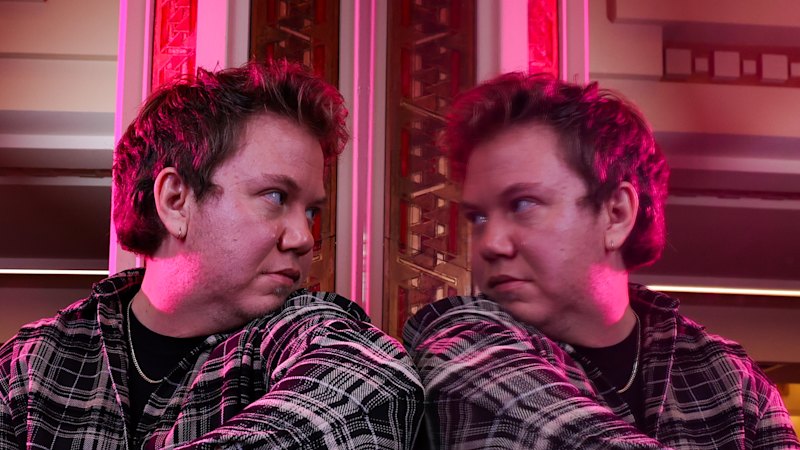
By the time Charlie Stowe’s father died at 63, he was already a “walking corpse”.
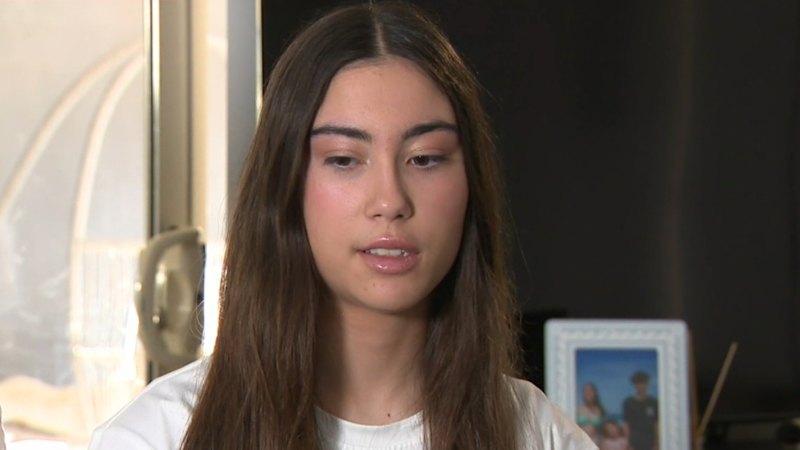
“I never got to truly know who my father was,” the 19-year-old said. Stowe’s father, Richard, was diagnosed with early onset dementia at 53, when Charlie was just six years old.
“Initially, he just lost his happiness and joy from everything, and then it was his speech, then his movement, his ability to eat solid foods, and then he started having strokes and seizures, until he passed away.
“It was a relief to know that he was resting easy and we could remember him in the ways that we wanted to, before the disease.”
On Saturday, Charlie will embark on a 16-day hike from Balgowlah to Newcastle to honour his dad and to raise research funds and awareness for frontotemporal dementia, also known as FTD.
In 2026, there were an estimated 29,000 people under 65 living with all forms of younger onset dementia, which is expected to increase to 41,000 people by 2054.
Australian Institute of Health and Welfare data released on Thursday revealed dementia is now the leading cause of death in Australia, overtaking coronary heart disease and accounting for almost one in 10 deaths. Over the past decade, the number of deaths caused by dementia has risen by 39 per cent.
Of the estimated 450,000 Australians living with dementia, FTD affects less than 10 per cent and is most commonly diagnosed in 50-60 year olds.
FRONTIER Research Group clinician-researcher Dr David Foxe said the rarity of FTD can have “huge implications for diagnosis”, as can its symptoms – which do not typically involve memory loss.
FTD is characterised by a build-up of abnormal proteins in the brain, causing brain shrinkage or atrophy over an extended period of time. Its most common subtype is a behavioural variant which causes people to become impulsive, socially inappropriate, apathetic or emotionally detached.
Foxe said patients are often misdiagnosed with psychiatric disorders such as depression, and can “go around the garden path from doctor to doctor, not really knowing what the underlying problem is”.
Stowe said the lack of awareness about FTD made his father’s condition socially isolating for his family. “You don’t hear about a 50-year-old healthy guy getting a disease like dementia,” he said.
“A lot of our family friends cut him off because he was acting not like himself and [became] a rude and angry person.”
Stowe said studying for his HSC in 2024 became an “escape” from his personal life. Despite his father dying shortly before his trial exams, Stowe was dux of his grade, and plans to study law and environmental management at university – a passion he shared with his dad.
“He was always adventurous – every Saturday we would do some hike,” Stowe said. “My aunty always said that despite his life being cut short, he had already lived five lives before then – he just made the most out of every single day.”
- The Sydney Morning Herald’s HSC Study Guide for 2026 will be published online and in the newspaper on July 27. The guide has all the information and tools to motivate and inspire the 80,000 students sitting the exam this year.