2 hours ago
1
2 hours ago
1
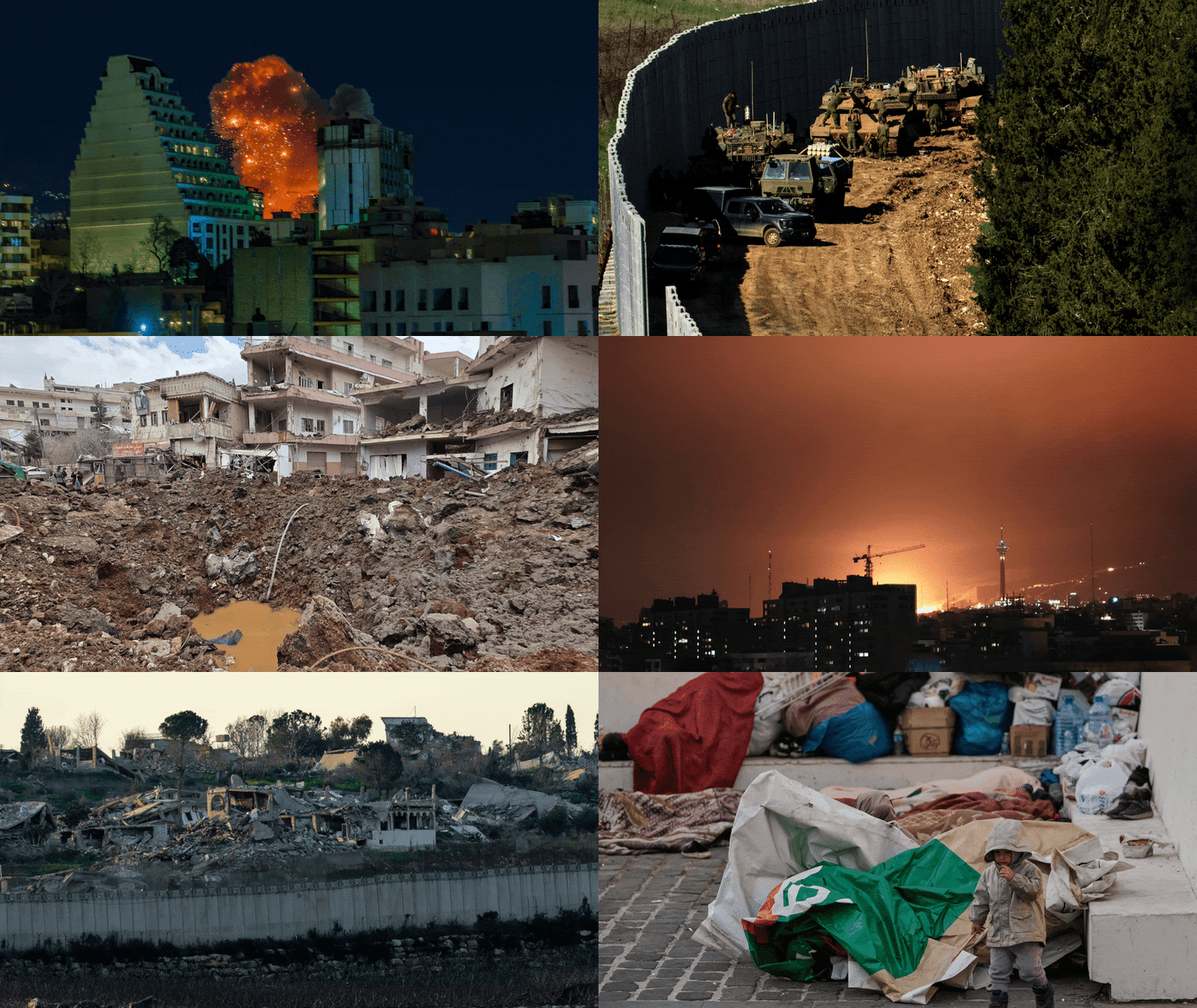
Treasurer Jim Chalmers has warned the renewed escalation of the US’s war against Iran would hit economic growth and pose more inflationary issues for the domestic and global economy as concerns grow the Strait of Hormuz could again be shut.
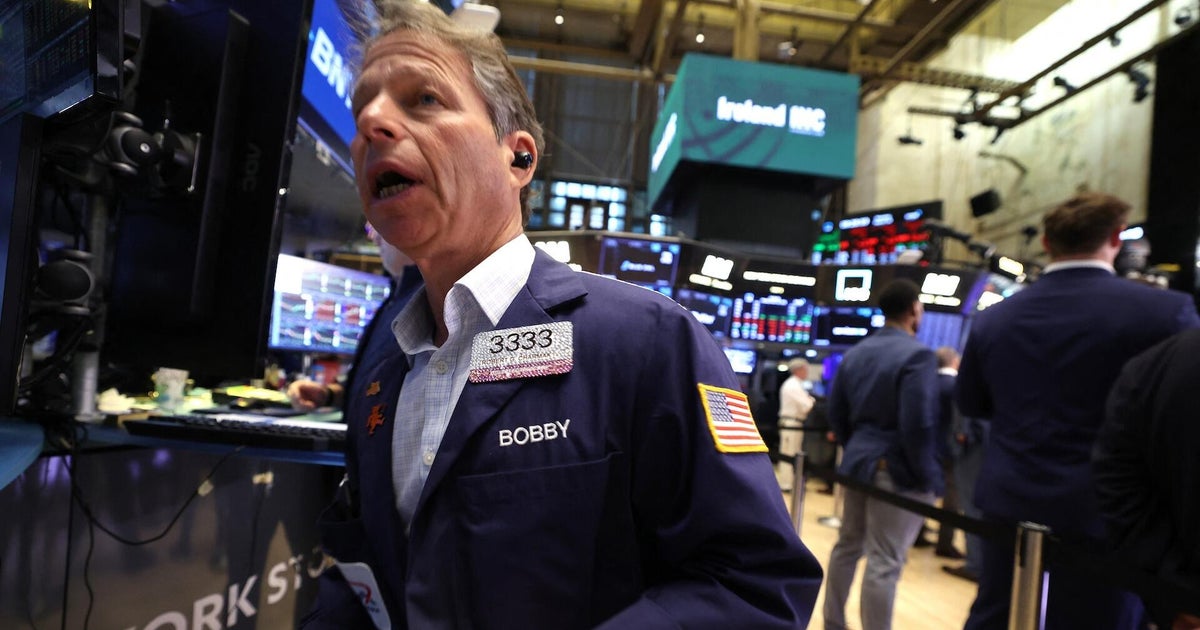
After US President Donald Trump said he considered the ceasefire was over and launched a series of strikes on Iran in retaliation for the theocracy’s fresh attacks on commercial vessels, global financial markets dropped on Thursday while Brent crude prices rose from around $US74 a barrel to $US79.
Trump vowed on social media that if Iran continues its actions, “it will get much worse!”
This week, the International Monetary Fund warned that renewed conflict in the Middle East remained the single largest risk to the global economic outlook. It said ongoing war could “extend commodity price volatility, further threaten supply chains, raise prices and weigh on financial conditions”.
The fund is expecting global growth to slump to 3 per cent this year before recovering to 3.4 per cent in 2027. But that is predicated on the Strait of Hormuz re-opening from the middle of July with shipments through the bottleneck back to normal by March next year.
Chalmers told this masthead that there was still a large amount of uncertainty about the ongoing costs and consequences of the war against Iran which started on February 28 and pushed oil prices towards $US120 a barrel.
“Like the rest of the world, we are monitoring day-to-day developments very closely because so much hinges on a proper ceasefire and the permanent reopening of the strait,” Chalmers said.
“The longer this drags out the more serious the consequences for inflation and growth here and around the world.”
After Iran attacked three ships attempting to transit the Strait of Hormuz earlier this week, it said that had also attacked US bases in Kuwait and Bahrain.
The escalation in hostilities is the biggest risk to the ceasefire, predicated on the Memorandum of Understanding the US and Iran signed in mid-June.
AMP chief economist Shane Oliver said the attacks meant the economic fallout from the war continued to be messy.
He said the biggest threat remained around the oil price, noting that most countries had run down their reserves over recent months, giving them fewer options to deal with an extended war.
According to Oliver, both sides had a financial stake in ending hostilities quickly.
“Everyone is expecting a Trump TACO – Trump always chickens out. But in this case, Iran has the sauce,” he said.
“I don’t think Trump wants to go back to where he was, especially ahead of the midterms. But Iran also can’t afford it.
“But if it isn’t resolved in a reasonable time frame, then the risk to the Australian and the global economies just go up.”
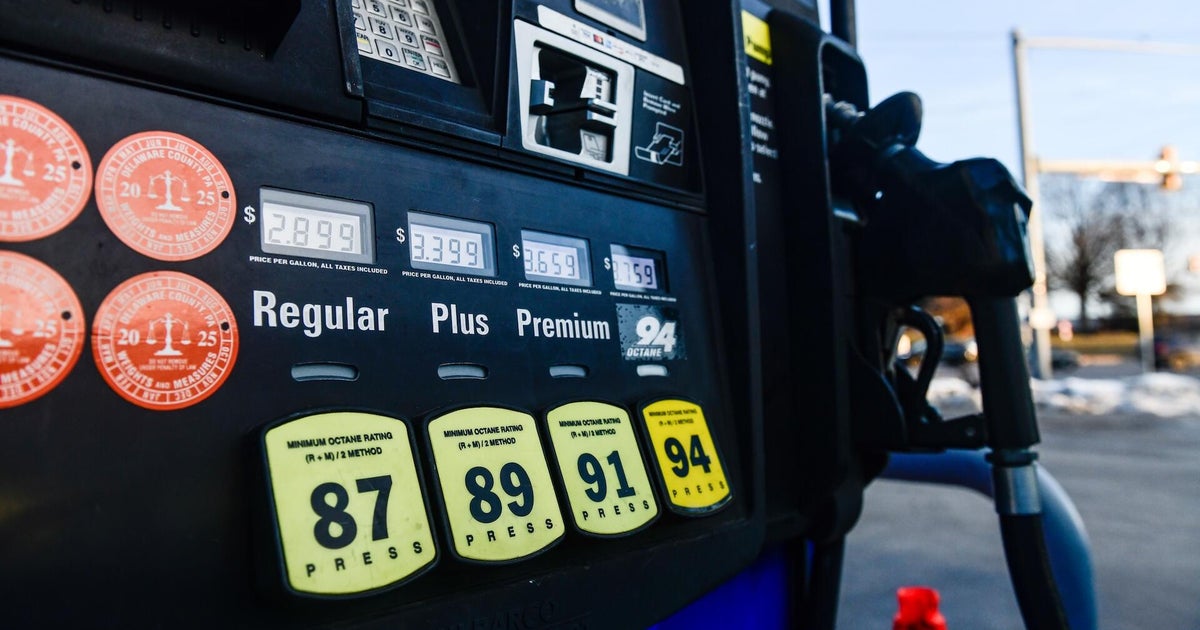
In Australia, unleaded petrol topped $2.50 a litre in Sydney and Melbourne and $3 for diesel in March. They then fell sharply, due to cuts in excise and GST plus a sharp increase in overall fuel supplies.
On July 1, the government halved the 32 cents per litre fuel excise cut it implemented in April, and unleaded petrol is now currently selling for an average $1.68 a litre in Melbourne and $1.66 in Sydney. This includes a 16 cent per litre discount by way of the remaining excise cut, and is a similar price as the week before the war began.
Global oil market movements typically take a week or more to flow through to Australian fuel, but the uptick is not yet significant enough to have a marked impact on petrol or diesel retail prices.
National Roads and Motorists’ Association spokesman Peter Khoury said if oil prices remain at their current level, fuel prices are expected to remain about the same for the foreseeable future.
However, this could change quickly if further hostilities raise fears of further oil supply shortfalls and prices rise again.
“If things stabilise it will have no meaningful impact on the price of the bowser. But if all hell absolutely breaks loose then there’s every chance that further price rises will be passed on,” Khoury said.
Opposition defence spokesman James Paterson said that while Iran and the US were not back in a full conflict, they were not close to peace either.
“I think this is a complicated, messy negotiation and the president is trying to use the leverage he has to force Iran to accept a reasonable settlement that ensures that things like the Strait of Hormuz are open and shipping is no longer threatened as it passes through that Strait,” he told Sky News.