 3 months ago
7
3 months ago
7
A law enforcement source told this masthead that Naveed Akram, 24, was flagged by authorities in 2019 because he was believed to be accessing extremist online material or socialising with others who had been radicalised.
Authorities examined Akram but did not deem his activities sufficient to earn a charge.
Sajid, his father, showed none of the signs of radicalisation displayed by his son.
They are probing the possibility that the son may have played a role in helping to radicalise his father.
The ABC reported on Monday that ASIO took an interest in Naveed Akram because of his connections to Islamic State terrorist Isaac El Matari, who is serving seven years in jail for planning an IS insurgency as the self-declared Australian commander of the terrorist group.
Two sources, speaking on condition of anonymity, confirmed to this masthead that Naveed had been connected to El Matari.
Home Affairs Minister Tony Burke said “the assessment of ASIO was with respect to his associations rather than, at that point, there being personal motivation from him”.
Burke also confirmed that Naveed is an Australian-born citizen. Burke revealed Sajid arrived in 1998 on a student visa, transferred to a partner visa in 2001 and after trips overseas had been on resident-return visas.
ASIO Director-General Mike Burgess said late on Sunday night one of the attackers was known to his organisation before the shooting, “but not in an immediate threat perspective”.
NSW Police Commissioner Mal Lanyon said on Monday that there was “little knowledge of either of these men by the authorities” before the attack.
Lanyon said Sajid Akram had been a licensed firearms holder for the past 10 years.
“He has six firearms licensed to him. We are satisfied that we have six firearms from the scene yesterday,” he said.
Albanese said his government was prepared to take whatever action is necessary to keep the community safe, including tougher gun laws.
Loading
He said he would put limits on the number of firearms individuals can own, and a review of the length of gun licences was on the agenda for an emergency national cabinet meeting on Monday afternoon.
“People’s circumstances change – people can be radicalised over a period of time,” he said. “Licences should not be in perpetuity.”
Albanese said the Howard government’s widely praised gun reforms, introduced after the 1996 Port Arthur massacre, had made an “enormous difference” in Australia, but it was time to see whether they needed to be strengthened.
“If we need to toughen these up, if there’s anything we can do, I’m certainly up for it,” he said.
Greg Barton, a counter-terrorism expert at Deakin University, said: “If [Naveed Akram] was of interest in 2019, people will be asking whether the authorities missed something ... People will be asking whether enough was done to monitor him. The authorities themselves will be asking that.”
However, he stressed that ASIO was monitoring a vast number of people at once.
“Just because you find someone with links and connections doesn’t mean you have the basis for charging or arresting them,” Barton said.
Barton said questions should be asked about whether more armed police should have been present at Bondi Beach given the nature of the Hanukkah event and the surge of antisemitism since the October 7 attacks and subsequent war in Gaza.
Loading
John Coyne, who worked in national security and counter-terrorism roles at the Australian Federal Police, said it was too early to say whether an intelligence failure had preceded Sunday’s attack.
“Hindsight is a wonderful thing,” said Coyne, now director of the national security program at the Australian Strategic Policy Institute.
He noted that Burgess raised the terror threat level to probable last year and had repeatedly warned about the threat of growing radicalisation in Australia.
Coyne called for a royal commission into the terror attack and the surge in antisemitism over the past two years, a call backed by the head of ASPI’s statecraft and intelligence policy centre, former national security official Chris Taylor.
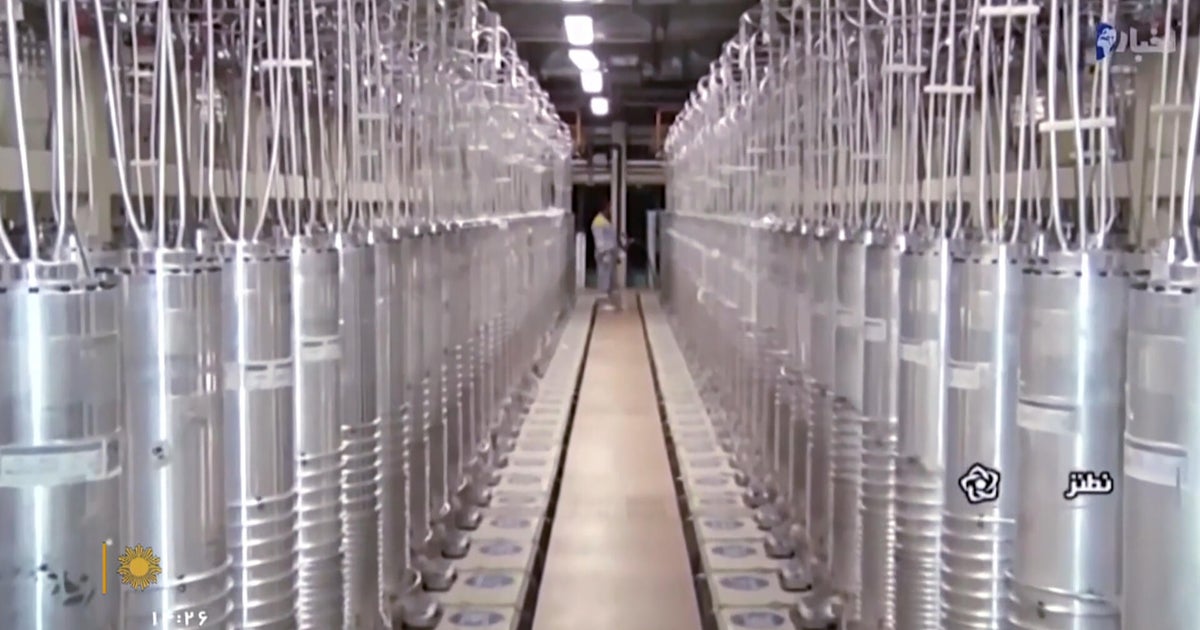
Israeli media outlets, including The Jerusalem Post, reported that Israeli authorities were investigating whether state actors, chiefly Iran, were involved in the mass shooting attack.
Australian officials have not given any indication that they believe foreign state actors were involved in the attack.
More Bondi terror coverage
- Bondi shooter held gun licence: The prime minister will propose strengthening Australian gun laws
- The victims: 10-year-old Matilda is the youngest victim. What we know about the Bondi terror victims so far
- Watch: Alleged Bondi gunman tells bystanders to move away, while shooting at Hanukkah crowd
Cut through the noise of federal politics with news, views and expert analysis. Subscribers can sign up to our weekly Inside Politics newsletter.