 3 months ago
25
3 months ago
25
Opinion

March 31, 2026 — 7:40pm
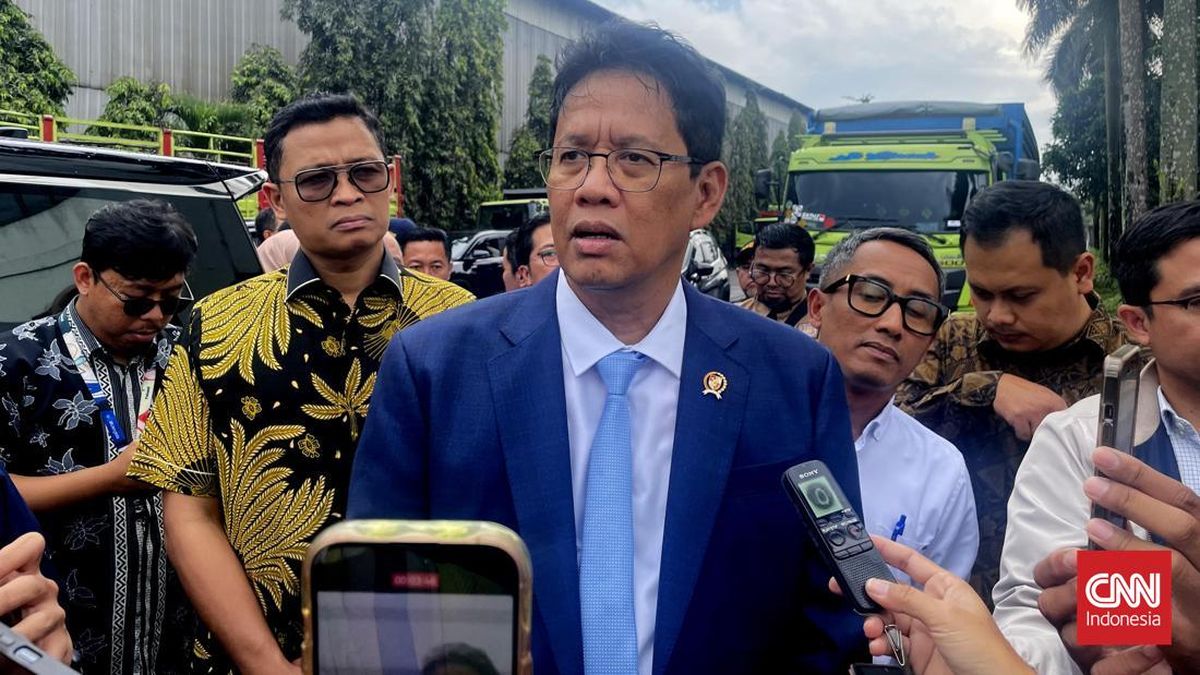
Anthony Albanese has put political self-interest ahead of the national interest by shutting down a worthy conversation on adding MPs to a parliament that is too small to effectively serve the country.
And his counterpart Angus Taylor, who pushed Albanese into the short-sighted move, has helped kill off a change that gave him a rare chance to inject some energy into the decaying Liberal Party.
If you want an insight into the farcical nature of decision-making in Canberra, witness Tuesday’s debate over the push to add about 40 MPs to the parliament.
A reminder: the number of MPs in parliament has remained unchanged since Bob Hawke’s time. Australian MPs represent some of the most populous electorates in the world. The average lower house member now represents more than 177,000 people compared to 105,000 when Hawke made changes.
Labor dealmaker-in-chief Don Farrell has been building up a case for adding dozens of new MPs, doing so as recently as Monday, saying expanding the parliament was something “great Labor leaders” did. The senior minister now looks a bit silly.
Some of the arguments in favour: reducing the average size of electorates to allow MPs to get around to schools and sports clubs; building more politicians’ offices to deal with the ever-expanding number of government services; and, critically, creating enough MPs to select talent for cabinets, avoiding the need to promote dud politicians.
The case for change was so good that it united the right-wing Institute of Public Affairs with the lefties at the Australia Institute in furious agreement. Many Labor MPs share the same view privately.
It was even supported by senior members of Angus Taylor’s shadow cabinet, who knew that a reduction in the size of some electorates might create more opportunity to have seats cloistered around Liberal-voting suburbs in the electorates lost by Josh Frydenberg, Gisele Kapterian and Keith Wolahan.
Coalition MPs are united on the politics of bashing Labor in public, but the smarter ones know a bigger parliament could work for the Liberal Party long-term.
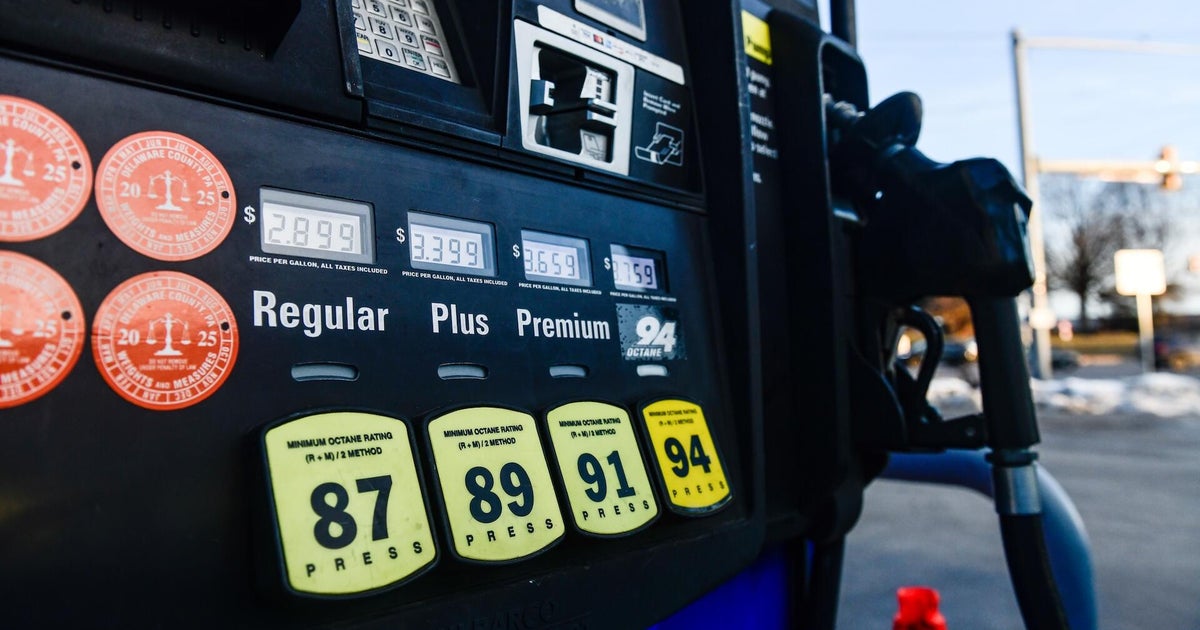
This made it all the more reactionary when Taylor came out firing against the proposal on Tuesday, when most voters were focused on finding a petrol bowser in service rather than nerdy electoral laws.
At last week’s party room meeting, some of Taylor’s MPs said the opposition could get off the mat by launching a Voice to parliament-style campaign portraying Albanese as out of touch by entrenching more power in Canberra. Pauline Hanson had already started arguing against the reform.
Taylor even convinced the Nats to come on board, a month after the party told this masthead they would support Farrell’s move to reduce the size of regional seats, some of which are bigger than most countries in Europe.
“Australians are in a cost-of-living crisis. They’re in a fuel crisis,” Taylor said on Tuesday. “And the priority of this government, clearly, is to increase the size of the parliament.”
At a time of economic upheaval and populist mania, it was perhaps unsurprising that Albanese would give the proposal short shrift. Taylor’s thrust also forced his hand. Albanese is privately against the change because it would create new boundaries in each electorate, messing up candidate selection and ceding the incumbency advantage delivered by his thumping win.
Under pressure from the Coalition to rule out the change in question time, Albanese effectively killed off the idea.
Albanese’s rationale: “If I was to say to [Labor campaign director] Paul Erickson, ‘we got 94 seats, but how about we throw it all up in the air and see how it lands’, I think Paul Erickson would have a pretty clear response.”
Albanese could be given space to reverse course when a parliament inquiry set up by Farrell recommends the change, as is widely expected. But change now seems highly improbable.
So the opposition is left with a one-day sugar hit, pushing Albanese to shut down the change a day after he adopted a fuel excise cut first proposed by the Coalition.
There is no long-term Voice to parliament campaign for Taylor. Only a reminder that Albanese is an ultra-pragmatist with no appetite to take on baggage for policies that are not core to his agenda and could destabilise his super-majority.
And another example of Canberra parlour games killing off any prospect of bipartisan reform.
Cut through the noise of federal politics with news, views and expert analysis. Subscribers can sign up to our weekly Inside Politics newsletter.