 2 months ago
45
2 months ago
45
Samy Magdy
April 13, 2026 — 5:13pm
Cairo: The US military has said it will begin a blockade of all Iranian ports and coastal areas in the coming hours, tempering President Donald Trump’s earlier vow to entirely shut down the Strait of Hormuz, as early reports indicated that ships had stopped crossing the strategic waterway.
The move came after marathon US-Iran ceasefire talks in Pakistan ended without an agreement, setting the stage for a showdown. Iranian leaders vowed to counter the blockade.
US Central Command announced the blockade would begin on Monday at 10am US time (midnight AEST), and would be “enforced impartially against vessels of all nations entering or departing Iranian ports and coastal areas, including all Iranian ports on the Arabian Gulf and Gulf of Oman”.
The US said it would still allow ships travelling between non-Iranian ports to transit the strait, a step back from the president’s earlier threat to blockade the entire channel.
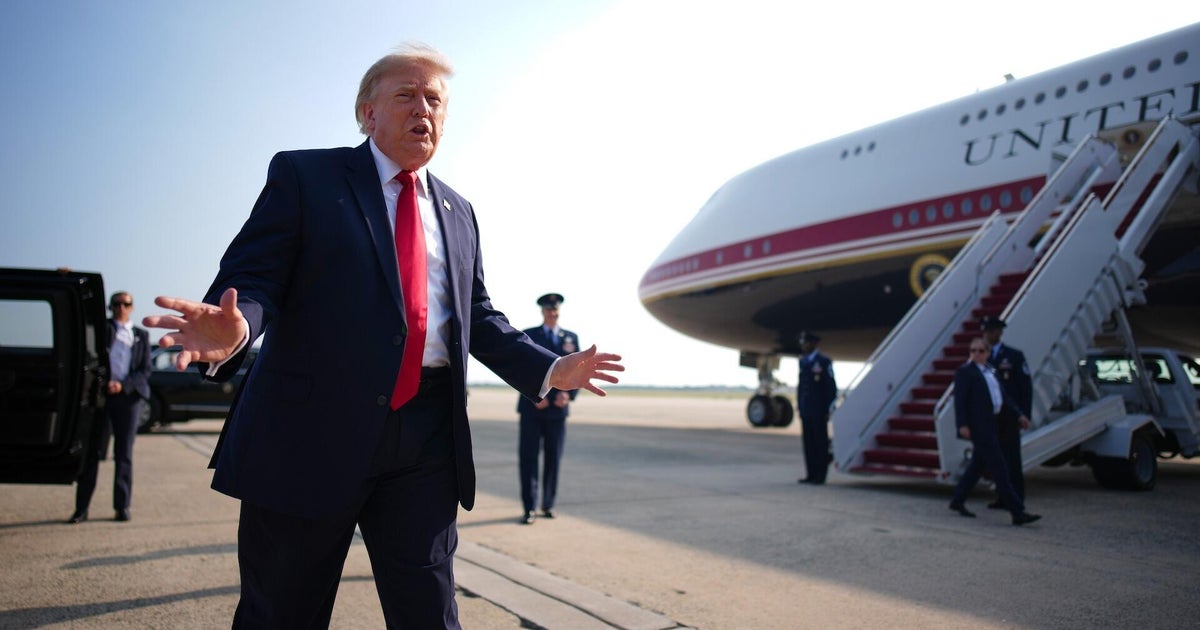
Trump confirmed the timing in a post on his Truth Social website, having previously warned that “any Iranian who fires at us or peaceful vessels will be BLOWN TO HELL”.
He said the peace talks in Islamabad over the weekend had gone “well” but failed to reach agreement on the key matter of Iran’s nuclear program.
The blockade announcement halted the limited maritime traffic that had resumed in the strait since the ceasefire, according to Lloyd’s List intelligence. Marine trackers said over 40 commercial ships had crossed since the start of the ceasefire, down from roughly 100 to 135 per day before the war.
Later on Sunday (US time), Trump extended his feud over the war with Pope Leo XIV, lashing out in a Truth Social post that accused the Catholic leader of being “terrible on foreign policy.” The extraordinary broadside came after Leo denounced the war and demanded that political leaders stop and negotiate peace.
The president followed up his attack with another Truth Social post of an AI-generated image of himself as Jesus, seemingly healing the sick, with American warplanes flying overhead.
Blockade could have far-reaching effects
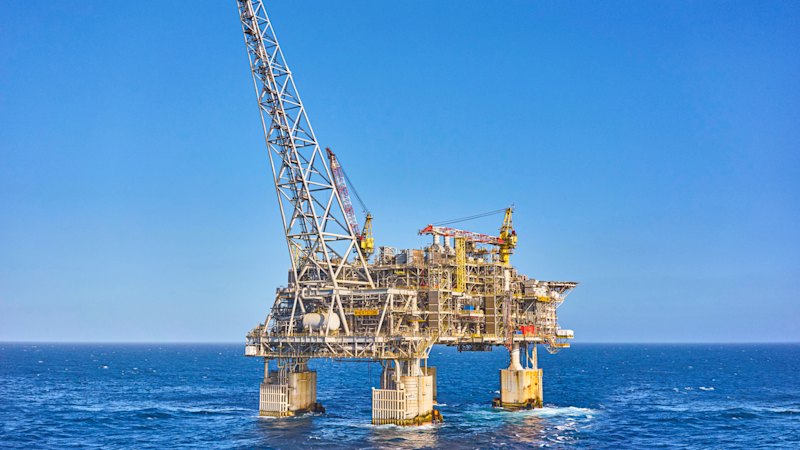
The blockage is likely intended to add pressure on Iran, which has exported millions of barrels of oil since the war began, much of it likely carried by so-called “dark” tankers that evade Western government sanctions.
Trump hopes to undercut Tehran’s control over the Strait of Hormuz, through which 20 per cent of global oil passed before fighting began. A US blockade could further rattle global energy markets.
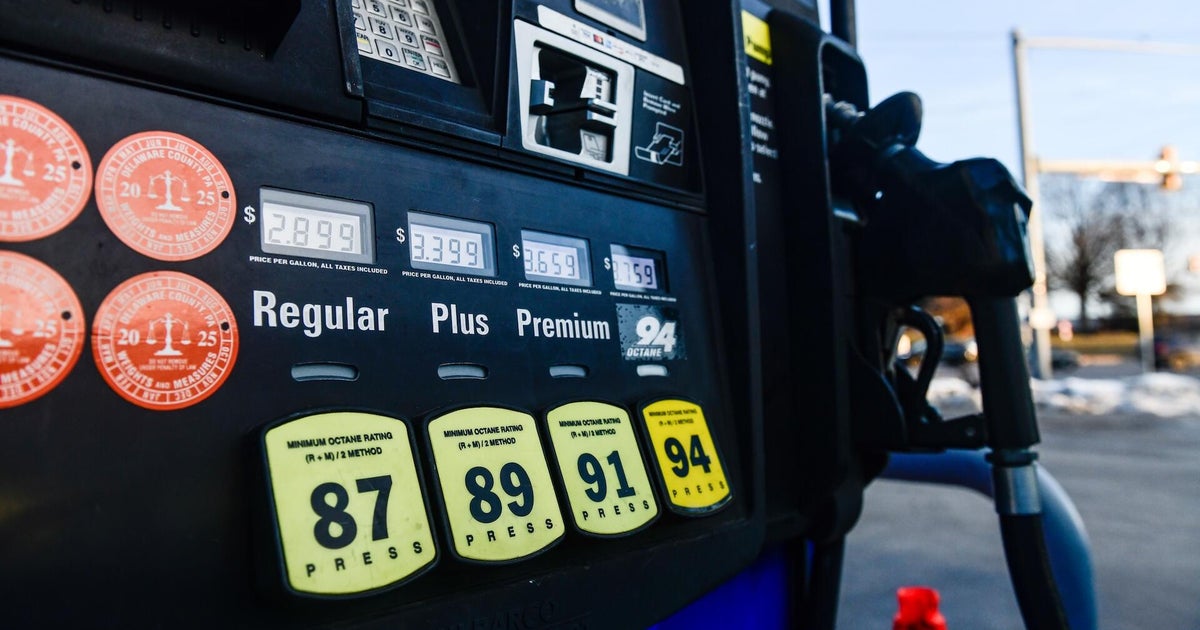
Oil prices rose in early trading after the blockade announcement. The price of US crude rose 8 per cent to $US104.24 a barrel, while Brent crude, the international standard, rose 7 per cent to $US102.29. Brent crude cost roughly $US70 per barrel before the war in late February.
Meanwhile, a chorus of senior Iranian officials threatened retaliation. Mohsen Rezaei, a military adviser and a former Revolutionary Guard commander, wrote on X that the country’s armed forces had “major untouched levers” to counter any blockade.
He said Iran would not be coerced by “tweets and imaginary plans”.
The Iranian parliament Speaker, Mohammad Bagher Ghalibaf, who led Iran’s side in the talks, addressed Trump in a statement on his return to Iran: “If you fight, we will fight.”
The Revolutionary Guard later said the strait remained under Tehran’s “full control” and was open for commercial shipping, but military vessels would get a “forceful response”, two semi-official Iranian news agencies reported.
During the 21-hour talks this weekend in Pakistan’s capital, Islamabad, the US military said two destroyers had transited the strait before mine-clearing work, a first since the war began. Iran denied it.
The weekend’s face-to-face talks were the highest-level negotiations between the longtime rivals since the 1979 Islamic Revolution.
Nuclear stumbling block
Trump said Tehran’s nuclear ambitions were the core reason for the talks’ failure, and speaking to Fox News, again threatened to strike civilian infrastructure if Iran didn’t give up its nuclear program.
“In one half of a day they wouldn’t have one bridge standing, they wouldn’t have one electric generating plant standing, and they’re back in the stone ages,” Trump said.
Vice President JD Vance, who led the American delegation in the talks, said Washington needed “an affirmative commitment that they will not seek a nuclear weapon”.
Iranian negotiators could not agree to all US “red lines”, said a US official speaking on condition of anonymity because they were not authorised to describe positions on the record.
Those red lines included Iran never obtaining a nuclear weapon, ending uranium enrichment, dismantling enrichment facilities and allowing the retrieval of its highly enriched uranium, along with opening the Strait of Hormuz and ending funding for Hamas, Hezbollah and Houthi rebels.
Iranian officials said talks fell apart over two or three key issues, blaming what they called American overreach. Ghalibaf, who noted progress in negotiations, said it was time for the United States “to decide whether it can gain our trust or not”.
Iran’s Foreign Minister, Abbas Araghchi, claimed that the US tanked the negotiations when they were within “inches” of an agreement, but did not provide evidence.
“We encountered maximalism, shifting goalposts, and blockade,” wrote Araghchi on X.
Neither Iran nor the US indicated what would happen after the ceasefire expires on April 22.
Pakistani Foreign Minister Ishaq Dar said his country would try to facilitate a new dialogue in the coming days. Iran said it was open to further dialogue, state-run IRNA news agency reported.