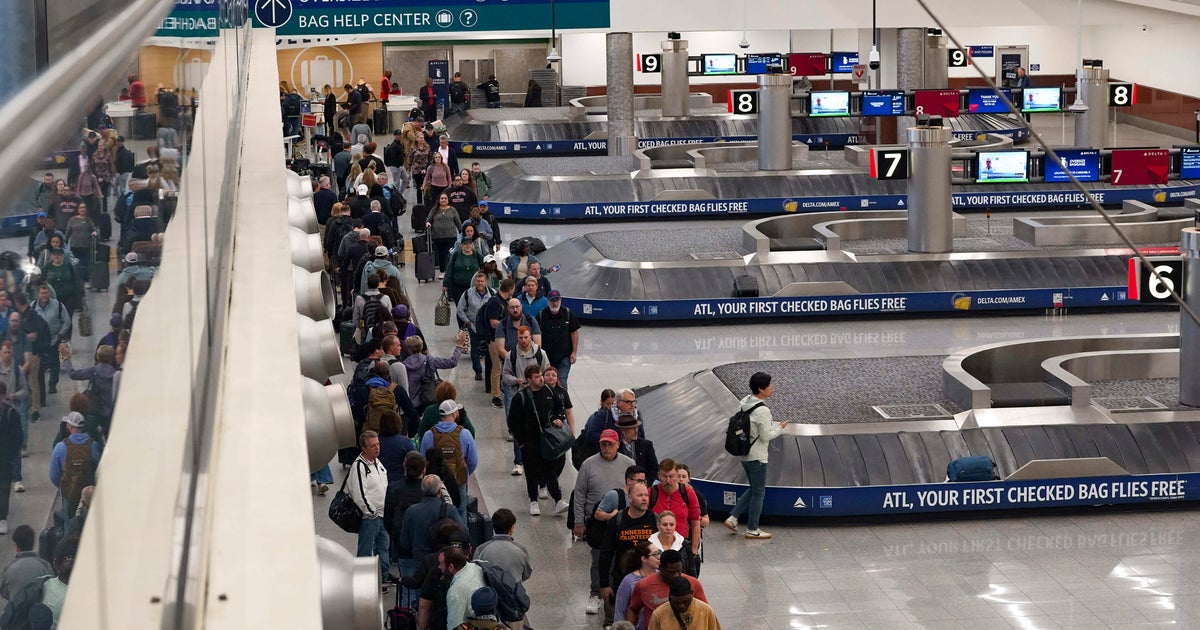
Travelers could soon see a rise in U.S. airfares as climbing global oil costs due to the Iran war boost the cost of jet fuel.
Speaking at an industry event on Thursday, United Airlines CEO Scott Kirby said rising fuel costs will have a "meaningful" impact on the carrier's financial results this quarter, CNBC reported. He also said the impact on passenger plane ticket costs will "probably start quick." United confirmed Kirby's comments with CBS News.
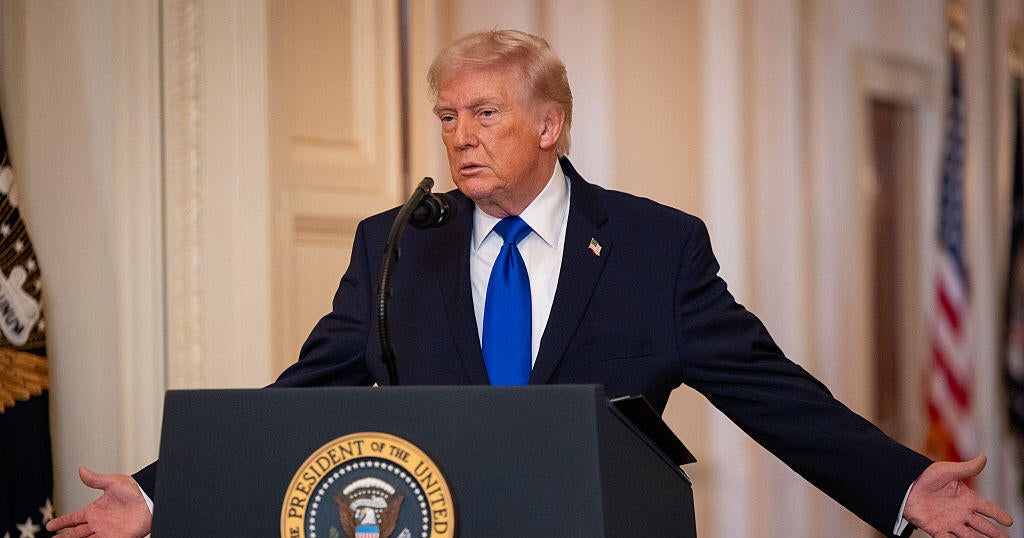
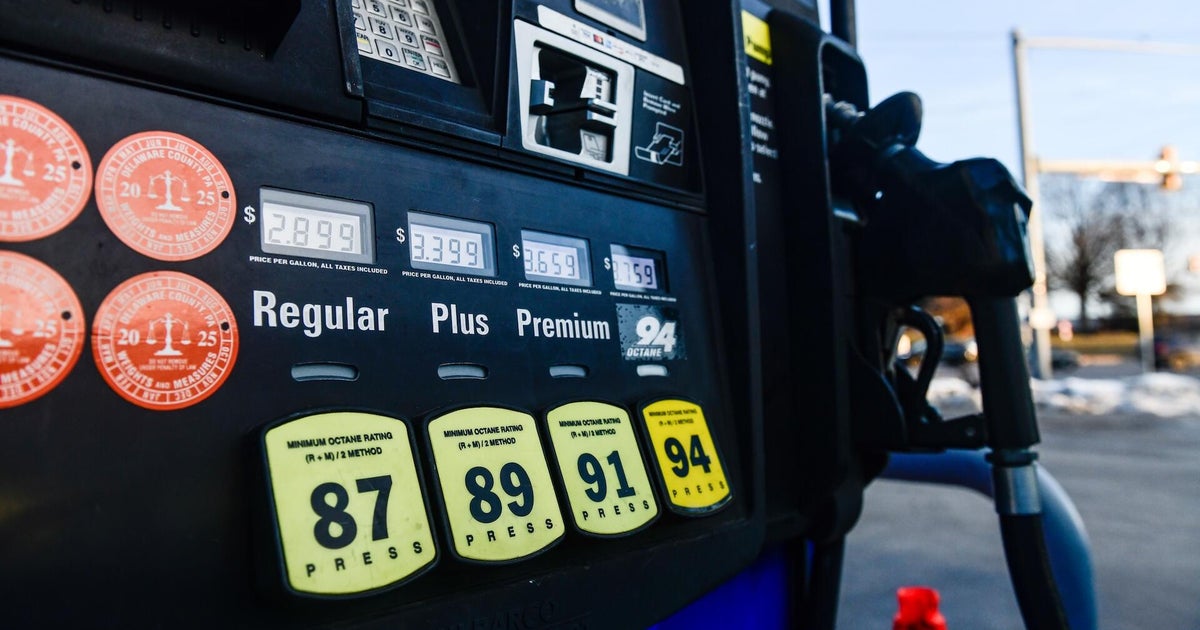
West Texas Intermediate, the U.S. oil benchmark, shot up more than 11% on Friday to nearly $91 per barrel after President Trump demanded Iran's "unconditional surrender," stoking investor concerns about a prolonged conflict. Brent crude, the international benchmark, jumped to $92.47, the highest level in nearly two years.
Which seats will cost more
Travel industry analyst Henry Harteveldt, founder of the Atmosphere Research Group, told CBS News he is already seeing airplane ticket prices creep up since the Iran conflict kicked off.
"Airlines began increasing airfares this week as spot jet fuel prices started to spike," he said.
Most of those increases have been for premium tickets in business and first-class cabins, Harteveldt added, noting that prices are less likely to climb for "people who buy basic economy or discount coach tickets."
Harteveldt also said that some carriers have tacked on "fuel surcharges" to ticket prices on some long-haul international routes.
"Airlines know, perhaps better than any other industry, what consumers' willingness to pay for a flight is," he told CBS News. "So they are trying to find a balance between how much they can increase fares to cover substantially higher fuel costs and how high is too high."
Surging jet fuel costs
Jet fuel, which accounts for about one-fifth of airlines' operating expenses, on Thursday cost $3.95 a gallon, up 56% from $2.50 in late February, one day before the joint U.S.-Israel attack on Iran, according to the Argus U.S. Jet Fuel Index.
The Strait of Hormuz, a vital trade route in the Middle East for oil and liquefied natural gas, is effectively closed because of the war. That supply disruption is now causing "stratospheric moves in global jet pricing," James Noel-Beswick, head of commodities at market research firm Sparta, said in a client note this week.
Noel-Beswick also noted that jet fuel prices in Europe have hit their highest level since 2022, as airlines face "both longer flight routes and tightening supply."
Vidya Mani, a visiting associate professor at Cornell University's SC Johnson College of Business, told CBS News that war-related constraints on oil and gas supplies could lead to inflationary pressures across a range of goods.
"When this lasts for several weeks [or] months, the compounding effect ripples through supply chains due to the lack of energy access at major manufacturing hubs," she said.
Lost revenue
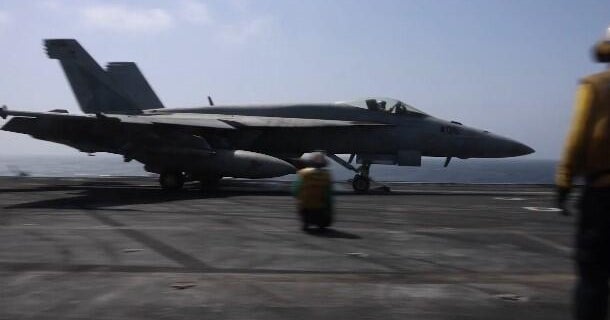
Airlines already face lost revenue from canceled or diverted flights in the Middle East due to the war. For carriers and other oil-intensive industries, much depends on the duration of conflict, according to Fitch Ratings.
"Disruption increases operating costs through longer routings, additional technical stops, crew and staff overtime, and higher accommodation and handling expenses," analysts with the credit bureau wrote in a report. "As well as lost revenue, airlines are likely to be affected by higher fuel prices."
Edited by Alain Sherter
The Associated Press contributed to this report.
In:
Oil prices jump amid Iran war
Are oil prices likely to rise even more amid the Iran war?
(02:16)