 1 hour ago
2
1 hour ago
2

For a company built on selling plans, Telstra has made a mess of them.
It planned to do some work on a vital time-server. That plainly did not go well; the server restarted, winding the time back 20 years and kicking millions off the network. When things went wrong, its staff followed a plan to tell their bosses. And those bosses planned to tell the nation that the outage wasn’t that bad.
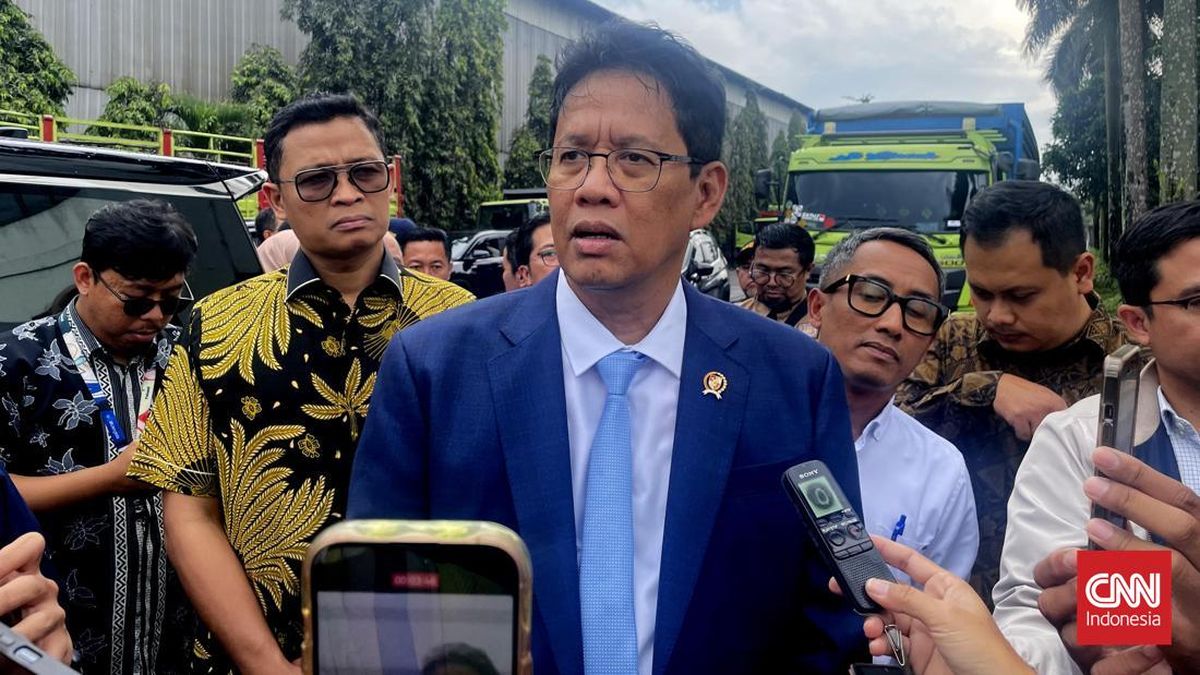
Speaking just after arriving back in Australia from a family holiday to an unknown destination, Telstra chief executive Vicki Brady made clear that in her view, at least when it came to the right people being notified of its nationwide outage, the plan had worked.
“We have very clear crisis management processes and very strong operational controls,” Brady said. “All of those processes worked as they should have.”
That is a generous interpretation. A head of Telstra’s operations team couldn’t call Brady because his own phone wasn’t connecting. He had to contact her using Microsoft Teams, she said, and he left a message. She then called back.
Australia has been here before. The exact same thing happened to Optus staff in 2023 when that network went down. Then-Optus chief executive Kelly Bayer Rosmarin had to call into a radio show using WhatsApp connected to Wi-Fi. Optus leaders now have back-up SIM cards in their phones from other networks. We can only assume the Telstra staffer did too, but went with Teams because it was faster.
Either way, the chief executive was not alerted until two and a half hours after the outage was first detected by Telstra about 4.30am.
When Telstra chief financial officer Michael Ackland first fronted the media on Wednesday morning, he made the scale of the outage sound modest. Perhaps only thousands of people were affected, he suggested. Only a “small number of reports” of Triple Zero calls failing had come through. Then that number became 333. A day later: more than 600.
Ackland on Friday said the network had not downplayed the outage. It had just got worse over time as the problem spread from one server to another. “The situation got worse, and we now believe we have addressed all of those issues,” he said.
But that’s also what happened in the Optus outage. In that case, incorrect routing information spread from server to server. That meant it took the company time to figure out the full extent of the problem, and to fix it.
Worst-case scenarios didn’t eventuate on every aspect of this outage. While some anguished and elderly people were left in the lurch, no one appears to have died. That is still something to be thankful for. Brady and Ackland fronted the press conference with confidence and a command of technical details. That is impressive, especially for the chief executive after her flight of unknown length.
But on so many fronts, Brady asked the public to trust Telstra’s new plans: for an investigation, for the company to learn, for it to make executives genuinely accountable. She did not commit to making her team take a financial hit; to offer blanket compensation; or to provide discounts.
“We will complete the investigation, and any of those lessons out of that, we will be very transparent and are committed to implementing changes that might be needed,” she said.