 3 months ago
47
3 months ago
47
March 16, 2026 — 5:59am
For Life in the ’burbs, we asked Brisbane locals to write about their suburb – whether the clichés are true, how it has changed, and how their lives have been shaped by the place where they live.
It’s rare a week goes by that I don’t get a phone call from a real estate agent wanting to sell my Spring Hill flat to any number of “motivated buyers”.
I could get my number off their cold call lists, but I’ve become rather fond of asking the question I now like to pose in reply.
Where do I go?
Normally there’s a moment of silence, or nervous chuckle. All my stuff is here, I tell them, so where do I go?
They know I couldn’t stay in Spring Hill. The only reason present Natalie is here is because past Natalie had dumb luck and opportunity almost 20 years ago.
For years, the steep climb out of the CBD operated like a natural roadblock to gentrifiers. Perhaps people realised the magic of the Spring Hill Loop bus, because these days our shabby-chic pocket of character homes and character people is being picked off by developers and investors – while a future stadium looms above us all.
I grew up in Albany Creek, a nearly free-range childhood at the end of an era when that was possible. But I’m built for city life. Spring Hill puts me within walking distance of all the things I do for work and recreation, particularly the arts hubs of QPAC, Brisbane Powerhouse and even the RNA showgrounds (I unironically like the Ekka).
Luck landed me a modest flat just outside of Boundary Road, the ominously named thoroughfare that separated the Jagera and Turrbal locals from colonial settlers as the city’s first suburb, developed in the mid-1800s.
There are ghosts in our streets. Senseless murders took place here in 2013, 1976 and 1955. One hundred years before that, resistance leader Dundalli is said to have called out to Aboriginal men and women gathered on Windmill Hill just before his public hanging on the site of what is now the GPO.
One of only two structures remaining from penal settlement, the Old Windmill stands watch over the Spring Hill Reservoirs, which supplied the city with water until 1962. I performed in the reservoirs a few times, during a brief window when Council allowed them to be used for creative purposes.
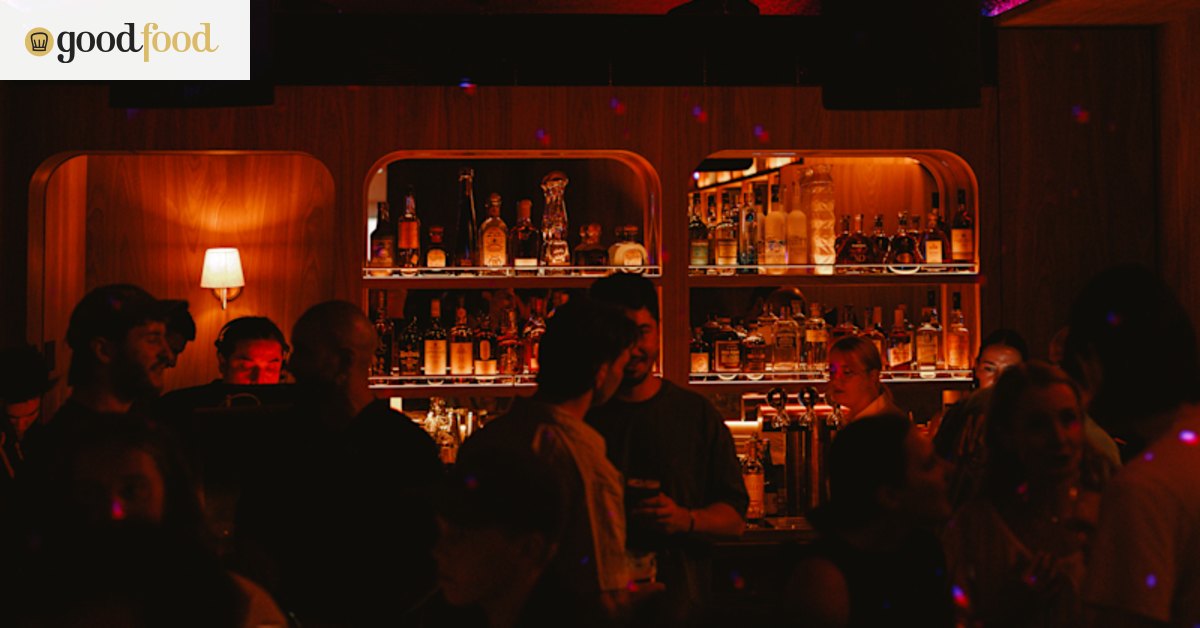
I’ve produced comedy shows at The Alliance Hotel, but I’m far too boring for The Sportsman, the legendary LGBT+ bar with its rainbow pavement. A mate of mine wields whips at its monthly Hellfire Club night (he’s far more interesting).
Ours is not a retail ’burb, but the food is good. Bishamon’s been flipping teppanyaki for decades; Sisco and Side Street keep the early risers fuelled; and I know to get in early if I want one of Mamma Do’s pork belly banh mi.
The soul of the suburb is the aptly named Creole Soul Kitchen, where owners Mark and Leena dish up proper Louisiana comfort like gumbo, biscuits and chicken-fried chicken until midnight on weekdays. It’s a lifesaver for a post-event nosh-up.
There are training colleges and a Bond University campus servicing many international students. Private hospitals and medical offices abound.
The suburb’s wealth is most visible in its private schools. Locals complain St Joseph’s Gregory Terrace senior students park their expensive cars in limited residential spots, and there are families who own flats solely to make their kids’ commute to the grammar schools easier. They retreat to their actual homes on the weekends.
I understand the reasoning about what Brisbane is gaining from the stadium plans; but it is worth considering what we’re losing.
There’s disadvantage and transience too. I’m perversely proud the gates of Brisbane Boys Grammar faces shelters and boarding houses. I hope it inspires those kids – blessed like me with luck and opportunity – to practice humility.
Residents live among the rise and fall of the great ridgelines of Gregory Terrace, St Pauls Terrace, Wickham Terrace and Leichhardt Street. Streets twist and jerk as if rejecting attempts at logic, packed with workers’ cottages that now fetch millions.
Two longtime locals told me the skyline began changing when restrictions on the suburb’s tin-and-timber character were loosened, allowing cottages to be lifted for carports. High rises will change it further, such as an 18-storey tower on the site of the former Spring Hill Hotel set to deliver 126 apartments.
What puzzles them most is: why encourage high density living then tear up their green space? Residents are appalled by the Victoria Park stadium plans. Council spent years creating a thoughtful masterplan for Barrambin, only to throw it out. It felt like whiplash.
I bite my fingernails pondering the future of Centenary Pool, my beloved gym, full of unpretentious people who make exercise more bearable by their presence. There’s been no indication of where members will go while the new centre is built, or if there will be anything to return to.
The historic Spring Hill Baths are a delightful place to swim, but they can’t host school swimming carnivals or learn-to-swim classes – and there’s no room for a gym.
I understand the reasoning about what Brisbane is gaining from the stadium plans; but it is worth considering what we’re losing. A place of nature where you can picnic, walk or bird-watch. A place that gives an increasingly high density city somewhere to breathe without a cost. A place within 15 minutes’ walk of its surrounding suburbs – that great marker of connected communities – where you can just be.
We’re sentimental, yes, but not stupid. We know change is inevitable. But there seems to be an attitude that if you live in the inner city, you either don’t have a community or you’re not entitled to one.
The value of Spring Hill land may be rising. But there’s value in our unique past and present, the light and the dark. I have a home here, not just an investment, with community, connection … and chicken-fried chicken.
Maybe that’s what I’ll tell the next real estate agent who calls.