3 months ago
46
3 months ago
46

Updated March 17, 2026 — 5:57pm,first published 2:33pm
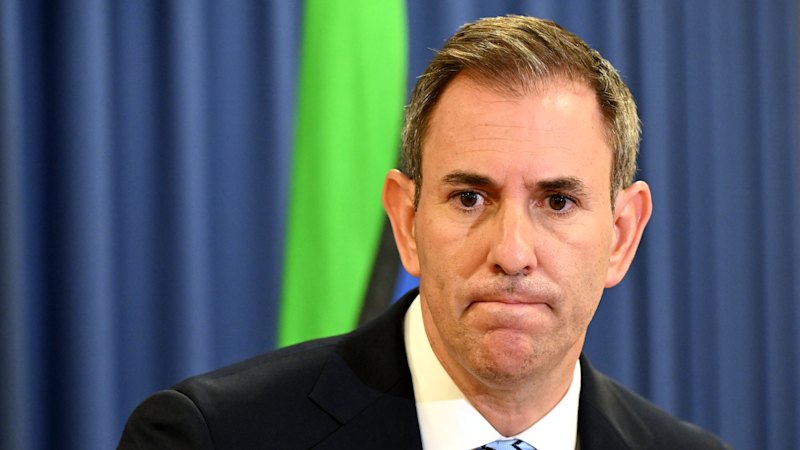
Treasurer Jim Chalmers has been given a stark warning by the Reserve Bank that a recession may be the only way to drive inflation out of the economy after the bank board split to support a second successive increase in official interest rates.
Amid growing uncertainty over the global economy due to the war against Iran, the bank voted 5-4 to take the cash rate to 4.1 per cent in a move that will add about $100 a month to the repayments on a $600,000 mortgage.
RBA governor Michele Bullock said while oil prices would slow the economy, inflation pressures remained elevated and would only be made worse without another rate rise to follow February’s increase.
Pressed on whether the combination of high petrol prices and two rate rises would drive the economy into a recession, Bullock said that was not the RBA’s intention.
“We don’t want to have a recession, but if it’s hard to get inflation down, then, you know, we’re going to have to deal with that possibility,” she said.
All four of the nation’s big banks said on Tuesday evening they would pass on the rate increase to borrowers.
Bullock said while higher petrol prices would add to inflation, they were not the reason for the rate hike. But she cautioned that inflation could push even higher without action.
“Inflation was already too high, reflecting the fact that demand is outstripping supply. If we do not act, these price pressures will spread and the eventual adjustment would be harder,” she said.
The 5-4 vote is only the second time the board has split on a decision since the Reserve Bank started releasing board votes.
Bullock said while there was a split, all board members believed interest rates had to go up, but there was a disagreement about when they should move.
Financial markets took the split as evidence that the bank will avoid a rate rise at its next meeting, which takes place a week before the May budget. Markets put the chance of a rate rise at 37 per cent.
Chalmers, who will this week deliver a major speech outlining key aspects of the budget, said the bank’s decision was heavily affected by the war against Iran.
“The main point from this decision is that we know we had an inflation challenge already in our economy. Developments in the Middle East are already making that challenge harder, rather than easier,” he said.
But shadow treasurer Tim Wilson said Chalmers had to take responsibility for its role in high inflation and the rate hikes.
“What we need from the government, and from Jim Chalmers particularly, is some humility and acknowledgement of the responsibility the government has in causing this inflation crisis and the increase in interest rates,” he said.
Bullock said the decision would be “tough news” for people with a mortgage.
Financial Counselling Australia, which co-ordinates the National Debt Hotline, said more people were seeking help, with calls to the hotline in February reaching their highest level since the depths of the pandemic.
“We’re hearing from people who are making incredibly tough decisions and it’s critical
that banks and lenders respond constructively when customers ask for help,” Financial Counselling Australia chief executive Domenique Meyrick said.
Those tough conditions were reflected in the ANZ-Roy Morgan measure of consumer confidence, released on Tuesday morning, which fell to its lowest level since March 2020 when the economy was plunged into a recession caused by pandemic-related closures.
NAB chief economist Sally Auld, who expects another rate rise in May, said the bank had been repeatedly surprised by the strength of the economy and inflation since August when it last cut interest rates.
“With an already tight labour market and little-to-no insurance against the risk of higher inflation and rising inflation expectations, a further tightening of monetary policy was the prudent course of action,” she said.
“Given the developments in the inflation outlook in recent weeks, the strong starting point for the labour market and GDP growth, it is unlikely that a modest half percentage point recalibration of monetary policy is enough to deliver outcomes consistent with inflation returning sustainably to the target band.”
RSM Australia economist Devika Shivadekar said interest rate movements at every coming bank meeting were now on the table, with much hinging on the May 12 budget.
“The 5-4 vote means the RBA isn’t done – it’s just pausing to watch,” she said.
“More broadly, the May federal budget is the next major signpost: if fiscal settings prove expansionary, the RBA’s hand may be forced again.”
US President Donald Trump may determine how much interest rate pain Australians will have to endure.
Callam Pickering, Asia-Pacific economist for global job website Indeed, said the Reserve had little option other than to push the cash rate up to 4.1 per cent given the broad scope of inflation across the economy.
But he said the uncertainty around oil prices caused by the war in Iran would weigh on the RBA.
“It’s unlikely that the RBA is done hiking rates, however, given the high level of geopolitical uncertainty stranger things have happened. A lot will unfortunately depend on Donald Trump,” he said.
“We currently expect the RBA to hike once again when they meet in early May.”
Cut through the noise of federal politics with news, views and expert analysis. Subscribers can sign up to our weekly Inside Politics newsletter.