 3 months ago
50
3 months ago
50
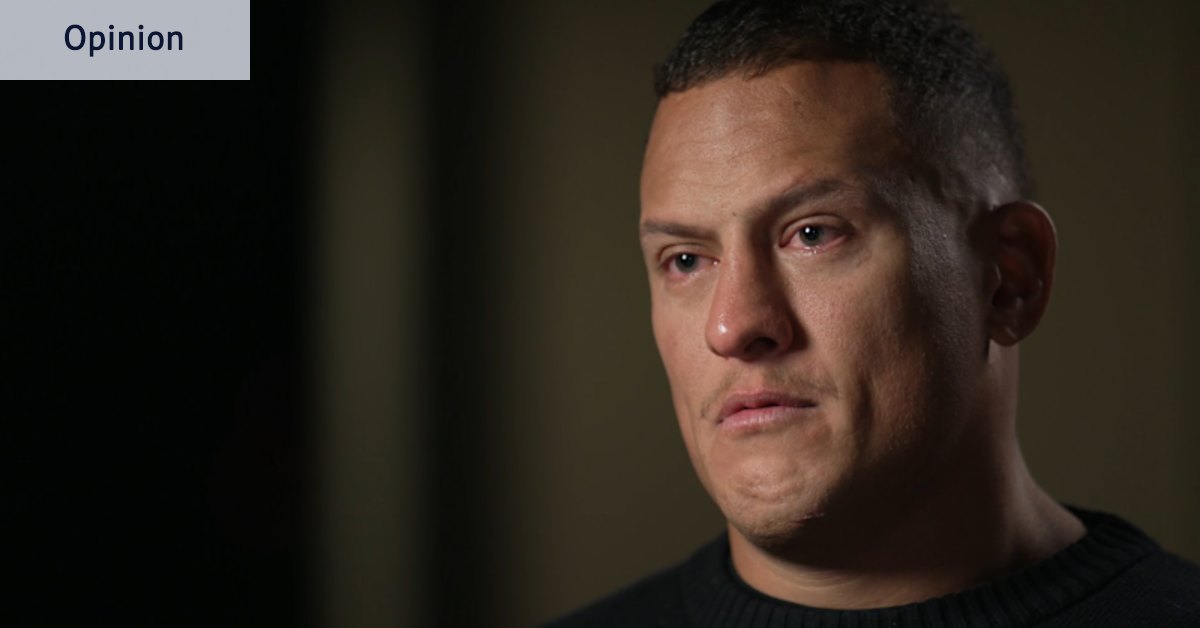
Kalyn Ponga will be free to play for New Zealand without jeopardising his Queensland career as the ARL Commission approves one of the most significant changes to State of Origin eligibility rules in the concept’s 45-year history.
As first flagged by this masthead last year, the ARLC will revamp Origin qualification rules for the 2026 series once its eligibility changes are formally ratified.

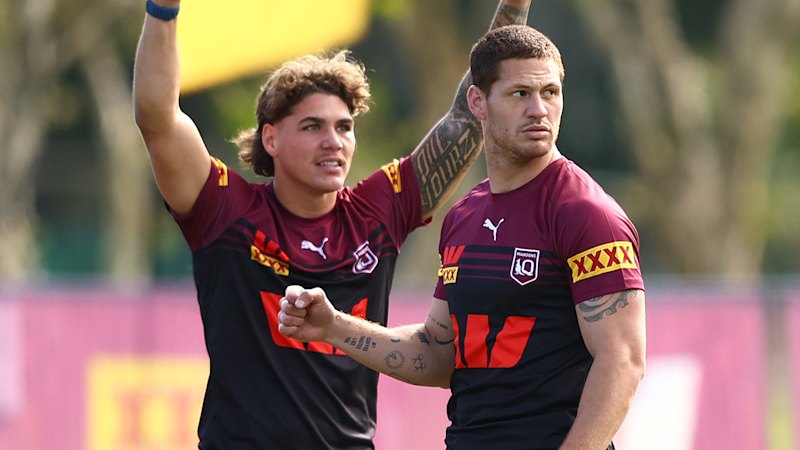
Kalyn Ponga, Kaeo Weekes and Addin Fonua-Blake would benefit from the potential change to eligibility rules.Credit: Getty Images/Monique Westermann
Players with eligibility for tier-one nations New Zealand and England will be free to play Origin, provided they qualify through existing criteria, without affecting their international careers.
The move comes as a significant boost for the Kiwis ahead of this year’s World Cup, where New Zealand loom as the biggest threat to Australia’s dominance of the tournament.
Until now, players such as Maroons stars Ponga and A.J. Brimson, and English back-rower Victor Radley have had to choose between representing NSW or Queensland and playing against Australia.
The eligibility shift will not open the Origin floodgates to Kiwi and English players given they must still have lived in NSW or Queensland before their 13th birthday to qualify for rugby league’s showpiece event.
It will, however, safeguard Kiwi playing talent, especially given the New Zealand Rugby League cannot match Origin payments of $30,000 a game, with Jarome Luai, Spencer Leniu, Moeaki Fotuaika, Josh Papalii and the like having been forced to choose between playing for the Kiwis or their state in the past.
Players such as the above quartet, as well as NSW stars Brian To’o and Payne Haas, have been free to play Origin and represent tier two nations Tonga and Samoa. The rule change will put New Zealand in particular on the same footing as their Pacific rivals when players are choosing between which heritage they represent.
Kiwis such as Joe Tapine, James Fisher-Harris, Ronaldo Mulitalo and Moses Leota will remain ineligible for State of Origin, along with almost all English NRL imports.
The ARLC’s decision is set to benefit Ponga the most, given he has weighed up his representative future over the past 18 months.
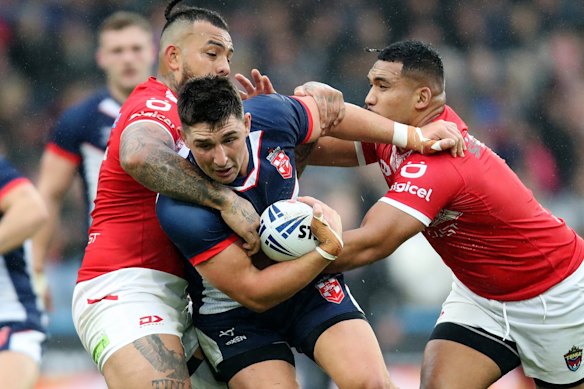
Victor Radley, who has played nine times for England, can now also represent NSW.Credit: Getty Images
Ponga has played 10 games for the Maroons, which under previous rules automatically linked his allegiance to the Kangaroos.
But aside from two starts for Australia at the short-lived World Cup Nines in 2019, Ponga has resisted playing at the top level for the Kangaroos. He withdrew from Mal Meninga’s 2024 squad in clumsy fashion and later apologised.
Ponga qualifies for New Zealand via his parents and has represented the Maori All Stars.
Former New Zealand coach Michael Maguire approached Ponga about playing for New Zealand in 2023, only to be turned down because the Newcastle captain did not want to rule himself out of playing for Queensland.
Rising Tonga star Isaiya Katoa has also been pursued by the Kiwis given his shared heritage, but he has indicated his preference is to play for the island nation.
Loading
Katoa was invited into the NSW Origin camp this year and is viewed as a long-term Blues playmaker.
Most Viewed in Sport
Loading