 3 months ago
49
3 months ago
49
Updated March 31, 2026 — 5:51pm,first published 4:13pm
War in the Middle East and skyrocketing petrol prices will not stop Jim Chalmers delivering an ambitious fifth federal budget, with the Treasurer vowing no retreat from a fiscal blueprint aiming to deliver economic resilience and reform.
Amid growing expectations the Albanese government could pull back from ambitious tax changes such as scaling back negative gearing and capital gains tax breaks, Chalmers told this masthead the government could not ignore the fallout from international events.
Chalmers moved to frame his budget as one that will take on the short-term challenges faced by the global economy, as well as the long-term intergenerational challenges faced by the country.
Economists warned on Tuesday that the savings from a 26¢-a-litre cut to fuel excise tax could be wiped out within weeks as the global oil price continues to climb into the foreseeable future, regardless of when the Iran war ends.
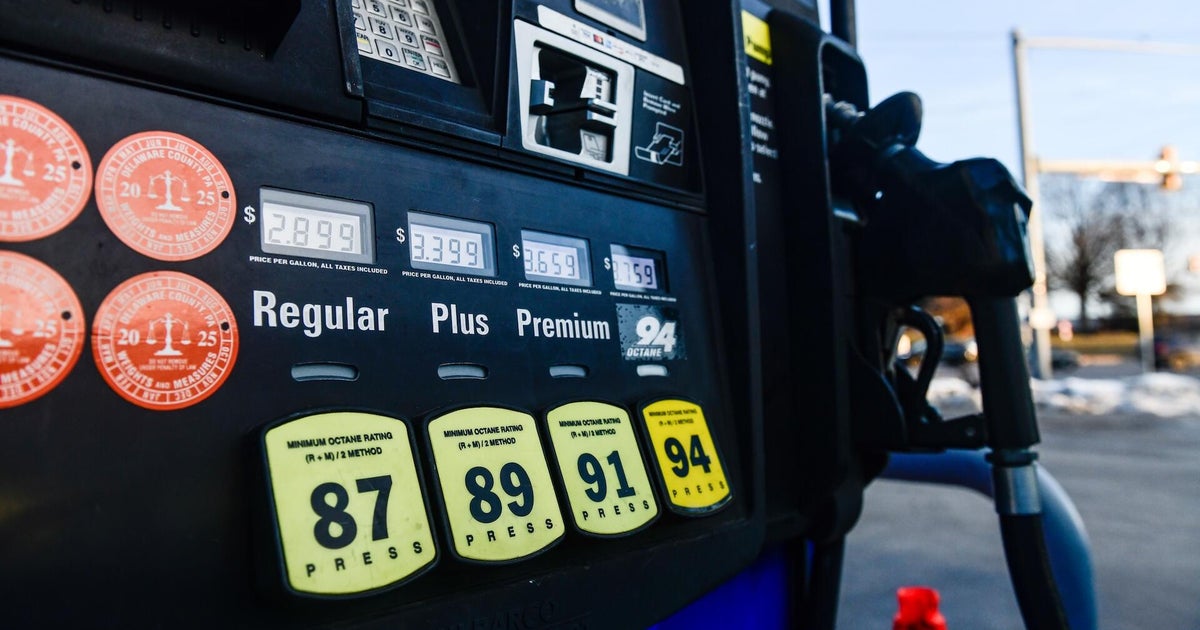
Petrol is at record highs, reaching an average $2.58 a litre on Tuesday in Sydney and Melbourne, while crude oil remains around $US107 a barrel. The Albanese government announced on Monday it would halve the 52¢-per-litre tax on fuel for three months, starting April 1.
The treasurer told this masthead the budget will be carefully calibrated to global economic conditions and would place a “premium on what’s right for the times and consistent with our ambitions and obligations to the future”.
“There will be a focus on intergenerational issues, and new efforts to boost productivity, find savings and lift the speed limit of our economy,” he said.
“Just how difficult the economic circumstances and just how ambitious the budget will be, will be determined over the course of the next six weeks,” he said, adding that the “extreme degree of international uncertainty” made the task more difficult.
There is uncertainty over the fiscal challenge facing Chalmers. Analysis by Westpac, released on Wednesday, suggested the surge in prices for commodities including LNG, coal, lithium and gold over the past few months, plus higher inflation feeding into stronger wages growth, will deliver Chalmers a $60 billion windfall between this year and 2030.
But there are doubts within the government over the figures, with preliminary analysis suggesting the May budget will show nothing like a $60 billion increase in company and personal income tax collections. There are also concerns that prices may collapse due to a global economic slowdown if the war continues.
Opposition Leader Angus Taylor promised he would have more to say in his budget reply about how to fix the economy, noting only that “Labor has completely failed. Young Australians, older Australians, middle-aged Australians. They failed everybody. Because this is an economy where it’s impossible to get ahead.”
Chalmers cautioned at a press conference on Tuesday morning that the excise cut will not immediately show up at the petrol pump, noting it would take up to a fortnight to fully work its way through the fuel network.
But AMP chief economist Shane Oliver said it was now likely the price of Brent crude, a global benchmark, would hit US$150 a barrel, even if the war ended now and regular trading for the Middle East resumed immediately.
“The longer this drags on, the more oil prices globally will start to reflect the full impact of the supply hit, which means you could end up towards $US150 a barrel,” Oliver said.
The price hike would be driven by the cost of repairing damaged infrastructure and the weeks it would take to bring production back to capacity.
Oliver said that if the oil price hit $US150 a barrel in coming weeks, unleaded petrol would sell for around $2.80 in Australia. However, he said prices could rise even higher if the conflict drags on.
A rule of thumb for fuel prices is that for every $10 increase in the price of oil, petrol prices rise 10¢ at the bowser.
“We seem to be pushing back towards that level now and while we have a way to go yet. Potentially [barrels will cost] $US200,” Oliver said.
Analyst firm Wood Mackenzie said weeks more of halted exports could push Brent higher than $US200 a barrel, and financial adviser RBC Capital markets said on Tuesday prices were set to rise unless shipping resumed.
“Despite Brent pushing as high as $US115 a barrel, we believe there is still considerable room to run for prices in an extended war scenario,” RBC said in a note to investors.
The ANZ-Roy Morgan measure of consumer sentiment, which fell to an all-time low last week, has dropped even further.
The measure, which was started in 1973, dropped another 4.3 points over the past seven days. Not only are shoppers more pessimistic about the economy and their own finances, they are increasingly worried about inflation, which they expect to hit 7.3 per cent.
But the price cut will add to the Reserve Bank’s concerns about its efforts to bring inflation under control.
Minutes of its March 17 meeting, at which the bank split 5-4 to lift the cash rate to 4.1 per cent, showed those backing a rate increase feared that inflation would rise in an economy heading into the war.
The bank estimated that oil priced at $US100 a barrel would mean inflation reaching about 5 per cent by June, three-quarters of a percentage point higher than the previous RBA forecast.
But the minutes also show bank members concerned that the spike in inflation and the supply chain problems caused by the war would ultimately lead to a slowdown in the economy.
“Members agreed that the reduction in oil supply and associated higher prices would probably also reduce economic activity domestically and internationally,” the minutes showed.
Cut through the noise of federal politics with news, views and expert analysis. Subscribers can sign up to our weekly Inside Politics newsletter.