 3 months ago
49
3 months ago
49

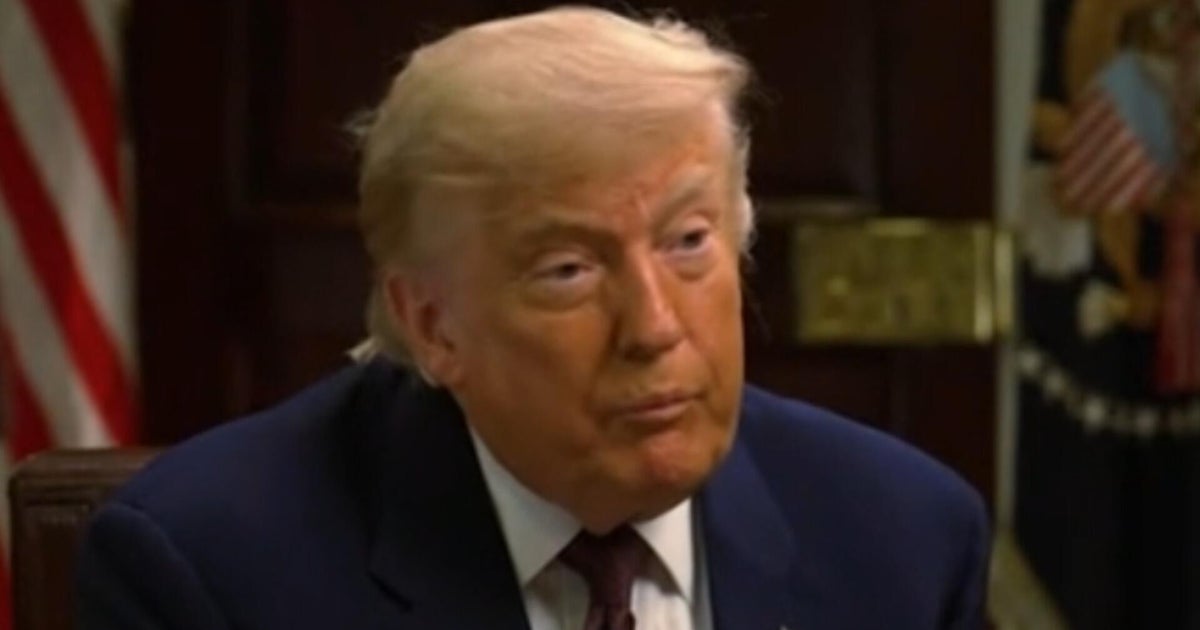
Washington: The Trump administration is opening trade investigations into 15 countries, as well as the European Union, as a precursor to a new wave of tariffs to compensate for those struck down by the Supreme Court last month.
The probes will focus on “excess capacity and production” of foreign nations – including several key US allies – which Trade Representative Jamieson Greer said was leading to persistent trade surpluses with the US.
The countries being investigated are China, the EU, Singapore, Switzerland, Norway, Indonesia, Malaysia, Cambodia, Thailand, Korea, Vietnam, Taiwan, Bangladesh, Mexico, Japan and India.
Greer made the announcement shortly after telling an audience at the Australian embassy in Washington that they should not expect President Donald Trump’s approach to tariffs to change, despite the US Supreme Court ruling last month that his sweeping global tariffs were unlawful.
“We’re going to have continuity,” Greer told an Australian superannuation and investment conference. “The tools might change, but the policy hasn’t changed.”
He invited summit attendees to contact him about projects and concerns, but warned: “If your point is ‘take down all the tariffs’, we’re not going to get along.”
Greer defended the administration’s tariffs by citing the protectionist policies of the so-called “Australian settlement” in the early 1900s, using a term coined by author and News Corp journalist Paul Kelly.
He said his team studied those policies and concluded they had contributed to stable economic growth, full employment and higher living standards, as well as making Victoria the country’s manufacturing centre.
“It was a good time for Australia,” he said, likening it to the “American System” of protectionism in the 19th century.
However, Australia’s protectionist policies were mostly dismantled during the wave of economic reforms under the Hawke/Keating governments of the 1980s and early 1990s.
In addition to reducing the US’s persistent worldwide trade deficit, Greer said tariffs and state support for industry were necessary to prop up the American industrial base and manufacturing sector.
US allies should support that, he said, as it allowed the US to conduct military campaigns like the current war in Iran. “The best thing for our allies across the globe is for the United States to have a strong industrial base so we can take the kinds of actions we’re taking right now.”
Reporters were then ejected from the summit while Greer engaged in a Q&A session with Australia’s outgoing ambassador to the US, former Labor prime minister Kevin Rudd.
Among the attendees were former treasurer-turned-Goldman Sachs Australia chair Josh Frydenberg, outgoing AustralianSuper investment chief Mark Delaney and BHP corporate relations boss Dominic Perrottet.
Australia is not among the countries targeted for the US’s new Section 301 trade investigations announced by Greer, but it could be hit by subsequent reviews.
During a briefing with reporters, Greer flagged that additional probes were likely into digital services taxes and pharmaceutical pricing - two recurring gripes of the administration - as well as seafood and rice market access and ocean pollution.
Another investigation would be opened into whether countries are enforcing bans on the importation of goods made with forced labour, Greer said. That probe, to start as soon as tomorrow, could cover about 60 countries.
Australia’s Pharmaceutical Benefits Scheme is regularly targeted by US medical giants as one of the “egregious and discriminatory” programs around the world that subsidise medicines. The Albanese government is in talks with the Trump administration about the president’s wish for other countries to pay more for drugs.
Last month’s Supreme Court decision upended Trump’s signature economic policy, finding he exceeded his powers by using emergency laws to impose permanent tariffs of varying levels on most US trading partners.
Since then, Trump used the Trade Act to impose a temporary worldwide import duty of 10 per cent - the same tariff Australian exports received from the beginning - for 150 days. After that, the tariffs expire by law unless extended by Congress.
Greer said the US aimed to conclude the new trade practices investigations before the 150-day period expires. Fresh tariffs are considered a likely outcome of those reviews.
After the Supreme Court ruling, Trump announced on social media that his new, temporary 10 per cent tariff would instead be 15 per cent. But when it was introduced, it was set at 10 per cent.
US Treasury Secretary Scott Bessent said last week that the increase to 15 per cent would happen “likely some time this week”. But that did not occur either.
Get a note directly from our foreign correspondents on what’s making headlines around the world. Sign up for our weekly What in the World newsletter.