 5 hours ago
3
5 hours ago
3

Food prices are likely to continue climbing as the fallout from the war against Iran ripples from farms through to the nation’s grocery distribution system, the Reserve Bank’s chief economist has warned, as the International Monetary Fund cautions the fallout from the Middle East is not over yet.
With Liberal leader Angus Taylor ramping up his attack on the government’s economic credentials as research suggests low productivity was costing the country $35,000 a person in lost income, Sarah Hunter used an address on Wednesday to argue that major supply shocks such as the war had become more common and more disruptive over the past two decades.
The Reserve Bank has lifted interest rates at three of its four meetings this year in a bid to bring down inflation, which has climbed sharply in recent months, due in part to the impact of the war on global oil prices.
Inflation jumped from 3.7 per cent in February to 4.6 per cent in March because of a surge in oil prices. It has since subsided to 4 per cent, still well above the Reserve’s 2-3 per cent inflation target band.
Hunter said the current oil shock had probably increased the chance of higher underlying inflation even if there was a spike in unemployment, which is traditionally associated with a reduction in price pressures.
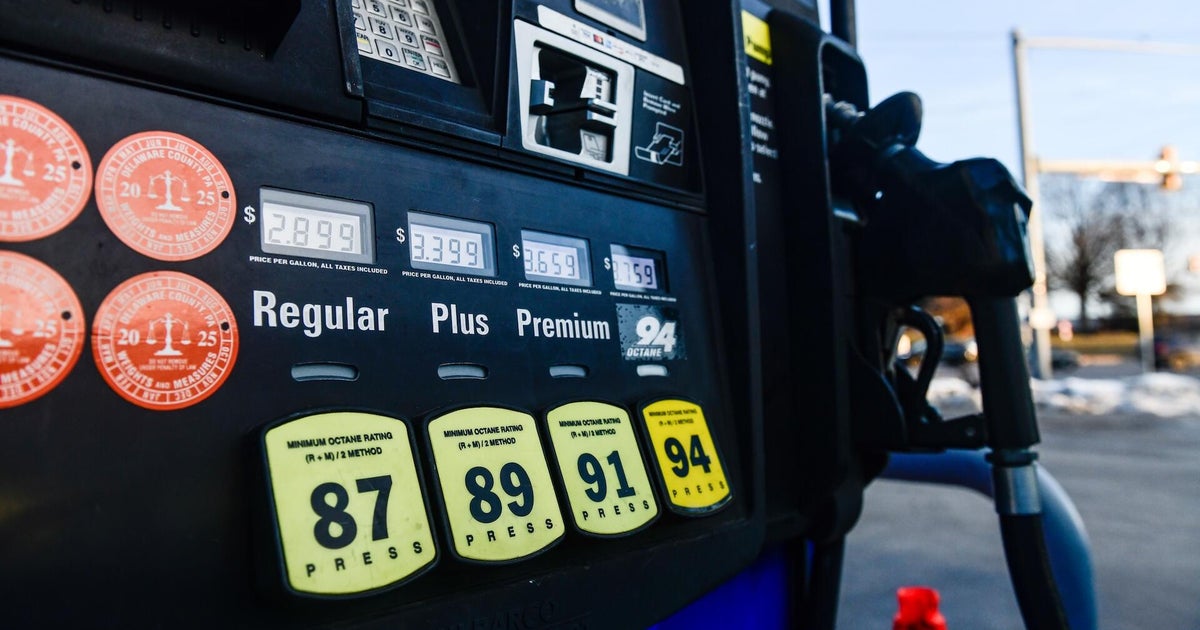
She said households had been forced to endure higher prices to fill their vehicles with petrol, noting that prices were likely to climb for other essentials as the fallout from the war lingered and pushed up the cost of farm production, food processing and transport.
“[Households] may well have to pay more for their food – they need to eat,” she told the Australian Conference of Economists in Canberra.
Food prices have climbed faster than overall inflation over the past two years. Since May last year, beef prices have jumped by 13 per cent, lamb prices have lifted by 15 per cent and milk prices are up by 10 per cent.
Oil, which had fallen to pre-war lows, spiked above $US76 a barrel on Wednesday after the US launched a fresh attack on Iran in retaliation for strikes on gas tankers near the Strait of Hormuz.
Higher oil prices continue to be a major concern for the International Monetary Fund, which on Wednesday released its latest outlook for the global economy, which is now expected to expand by 3 per cent this calendar year. This is a 0.1 percentage point downgrade on its April outlook.
Among developed nations, growth is expected to be 1.7 per cent this year, and 1.8 per cent in 2027, with Australia forecast to be one of the strongest.
Of the developed nations tracked by the fund, only South Korea (2.6 per cent), the United States (2.3 per cent) and Spain (2.1 per cent) are expected to grow faster than Australia this year. Comparable countries such as Canada (1.1 per cent), Britain (1 per cent), Germany (0.7 per cent) and France (0.6 per cent) are all expected to be weaker.
The fund said the biggest risk to the global outlook was a renewal of hostilities in the Middle East that could push up prices for commodities such as oil.
Treasurer Jim Chalmers said the budget and the government’s plans for tax reform and productivity improvement augured well for the economy.
“The IMF is clear that two of the biggest factors shaping the outlook for economies over the next two years are how exposed they are to the fuel shock and the AI boom, and Australia is well placed to manage both,” he said.
But the Coalition is planning on a major attack of the government’s economic credentials, with Taylor to release his own analysis to argue a surge in public spending since 2022 was behind a drop in productivity and a slump in real wages.
The analysis shows productivity in the private sector, excluding mining, has improved by 3.2 per cent since the start of 2023. Over the same period, productivity has fallen by 4.7 per cent in the non-market sector, taking it back to where it was in 2011.
The non-market sector is dominated by the health and social assistance sector, which is the nation’s single-largest employer, with more than 2.4 million workers.
Total employment has grown by 19 per cent since early 2022, including a 25 per cent jump in social assistance dominated by the National Disability Insurance Scheme. There has been a 20 per cent lift in the nation’s hospital staff, who now number 656,000.
Staffing in other non-market sectors such as education and training (up 17 per cent) and utilities (23 per cent) has also soared.
Taylor, who will deliver a major address to the Sydney Institute on Thursday evening, said a surge in the size of public spending under Labor was responsible for the nation’s drop in living standards.
“More spending, more bureaucracy and more public sector workers have not delivered better services or higher living standards,” he said.