 3 hours ago
2
3 hours ago
2
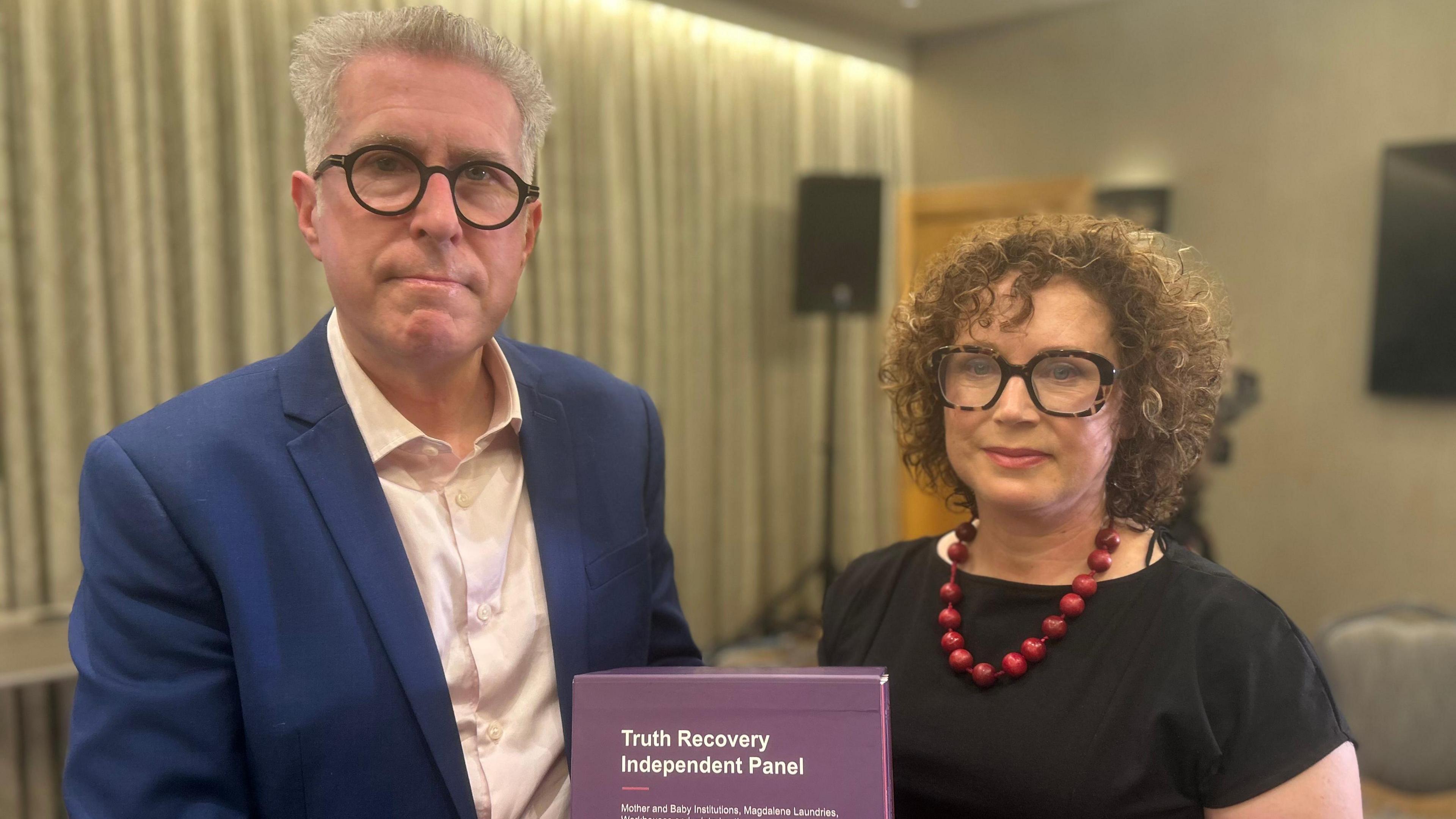
Panel Co-Chairs Prof Sean O'Connell and Prof Leanne McCormick
ByClaire Graham and Barry O'ConnorBBC News NI
The actions of a nun should be investigated for sexual abuse, and a social worker for "baby trading", as part of an upcoming public inquiry into mother and baby institutions, Magdalene Laundries and workhouses in Northern Ireland.
An independent panel has found "systemic failures" by the state led to a series of "serious human rights issues".
Those who took part spoke of abuse, neglect, degrading treatment and experiences likely to "reach the threshold of inhuman treatment".
Thousands of women, pregnant women, and girls passed through the secretive institutions, which were largely run by religious orders, from the 1920s until the 1990s.
The panel found more than 12,000 women and girls were sent to these mother and baby homes, a higher number than the previously estimated 10,000.
Additionally, 3,750 were admitted to Magdalene Laundries and Thorndale Industrial Home.
Almost 300 victims, survivors, their relatives and others gave testimony to the 10-person panel appointed by the Northern Ireland Executive in 2023.
Testimonies gathered for the report will be used to inform a planned public inquiry.
The panel said a key theme emerging from testimonies shared was the sexual abuse and rape of many girls and women prior to their admission to an institution.
The Truth Recovery Independent Panel was made up of 10 people and includes experts in with human rights, genealogy, and archiving alongside victims and survivors who had experiences of the institutions and the adoption system.
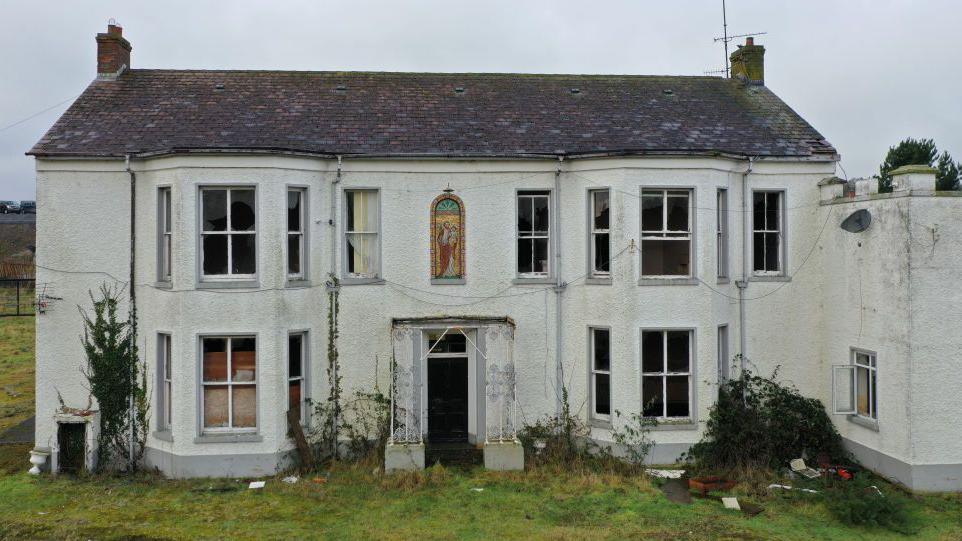 Image source, Getty Images
There were more than a dozen such homes in Northern Ireland, including Marianvale in Newry
Among 70 recommendations, the panel has highlighted the role of two individuals to be further investigated by an upcoming public inquiry.
This includes a Good Shepherd Sister who is now deceased, coded 'Sister Z', who was at the Marianville home in Newry. Allegation of sexual abuse were made against her.
In a recommendation regarding Sister Z the report said: "The experience described amounted to degrading treatment, especially given the vulnerability of the girls and women at the time.
"In some cases – as in the allegations made of sexual assault by Sister Z…the experiences described are likely to reach the threshold of inhuman treatment"
One contributor said internal examinations carried out by Sister Z were "very, very intrusive" to which she had concluded Sister Z "used us young girls for sexual gratification".
A social worker who was active in adoption placements between 1960s and 1980s is referred to in the report as social worker A.
The panel heard claims that adoptions she had organised were "totally wrong and illegal" and was described as being "like a baby trader".
The report details some of testimonies of the women who had their babies taken from them.
One woman remembered hearing the words: "Take her away, take her away. This one's for adoption, this one's for adoption. Take her away."
"Someone said to me: 'Close your eyes, close your eyes.' So, I closed my eyes. I didn't see her. I felt her, but I didn't see her… and she was taken away."
Another account reflected: "I was certain that as soon as they saw my beautiful boy they couldn't help but change their minds and take me home with them.
"Of course, I was deluding myself and although my mother cooed over him, there was no way they were exposing my shame to the world."
Some of those children, now adults, spoke to the panel.
"I still grieve and miss the mum and dad I didn't have," said one.
Another said: "And the man was never mentioned. It was the girls were the bad girls."
The report is the largest and most comprehensive collection of lived-experience testimony in Northern Ireland in connection to these institutions
The Independent Panel Co-Chairs, Professors Leanne McCormick and Sean O'Connell said: "This report marks a significant milestone in the pursuit of truth and justice for victims - survivors who spent time in these institutions.
"Today we pay tribute to their fortitude and resilience. Carrying out this work has been a humbling experience. This is the most important work we will ever have the privilege of carrying out."
In June 2026, the Northern Ireland Assembly passed legislation to establish a public inquiry and financial redress scheme relating to mother-and-baby institutions.
The public inquiry is expected to last around three years and will cost about £14m.
Under a financial redress scheme, any mother or child who spent time in an institution will be entitled to a standard payment of £12,000.
Some £2000 will be paid to the family members of mothers and children who have died since 28 April 1953.
The devolved government estimates the scheme will receive around 10,000 applications, with payments totalling £90m.
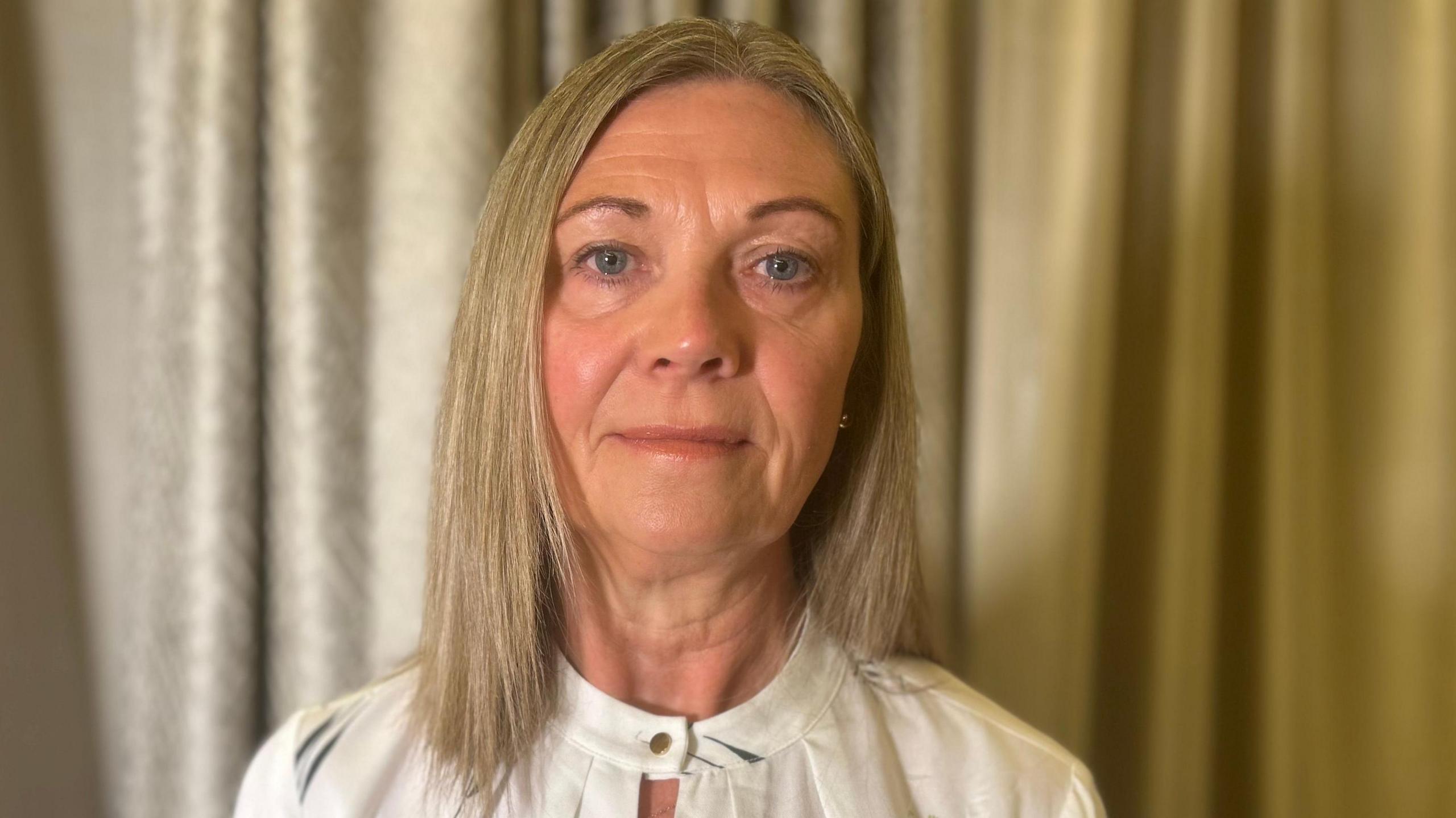
Maria Cogley's mother was a 21-year-old student nurse in 1967 when she discovered she was pregnant
Victim survivor panellist Maria Cogley said she hopes the report gives victims and survivors "validation that their stories have been heard".
"Very often in the past they have been sidelined and the truth not always has been out there," she told BBC News NI.
"It's hugely important for them, that acknowledgment and accountability which hopefully will follow afterwards."
Her mother was a 21-year-old student nurse in 1967 and when she discovered she was pregnant was moved to Marianvale for her placement.
Her adoption was arranged before she was born by the Good Shepherd Sister, which she said the report called a "de facto adoption agency", a claim they have previously denied.
After being placed with adoptive parents at 10 days old, she said her mother was "gone".
"There is a question around consent."
She said the adoption had a "huge impact" on her.
Cogley added that victim and survivors being on the panel was "imperative".
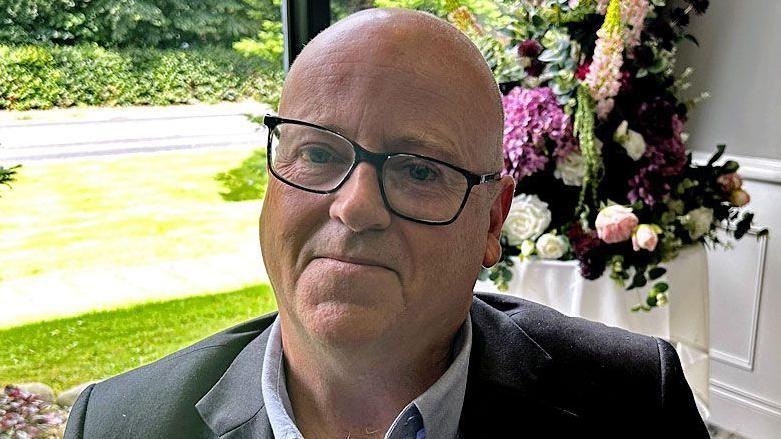
Mark McCollum was one of thousands of children born to unmarried mothers in NI who were sent to institutions
Speaking earlier on Tuesday, before the report was published, Mark McCollum, who was born in the Marianvale institution in Newry, said it is an "important day".
"It marks a milestone in terms of progress and I would be very positive about the process," he told BBC Radio Ulster's Good Morning Ulster programme.
"It does seem that progress is now being made and things are starting to happen."
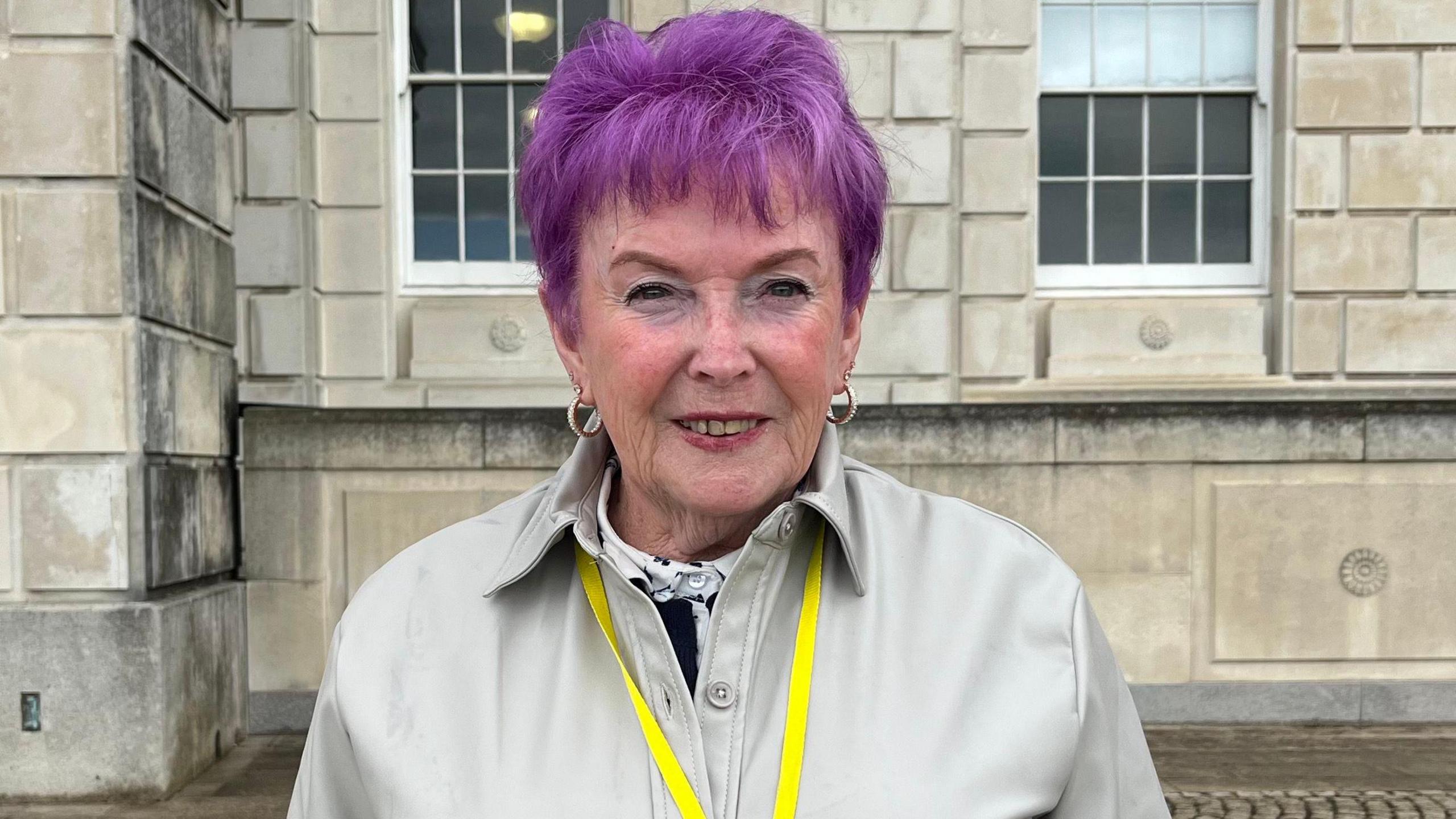
Adele Johnston called Tuesday a "momentous day for us"
Adele Johnston, from Birthmothers and their Children for Justice NI, told Good Morning Ulster that she was "initially worried about cross examination, but the way that this has been set out now is totally different".
"I have no reservations about it all," she said. "Moving into the inquiry will tear down the veil of secrecy and shame."
She called Tuesday a "momentous day for us".
Johnston added that "the institutions have never been held accountable" and she is "hopeful" the inquiry will do that.
First Minister Michelle O'Neill thanked the panel for their "dedication and commitment throughout this important work".
"Many of these accounts describe deeply painful experiences that caused immense and lasting harm.
"We know this process has provided survivors with an opportunity to speak out, share their experiences and have their voices heard," O'Neill said.
Deputy First Minister Emma Little-Pengelly described the publication as a "significant milestone" and thanked the victims and survivors for their "courage, engagement and contribution to this process".
"These are important steps towards truth, accountability and acknowledgement."
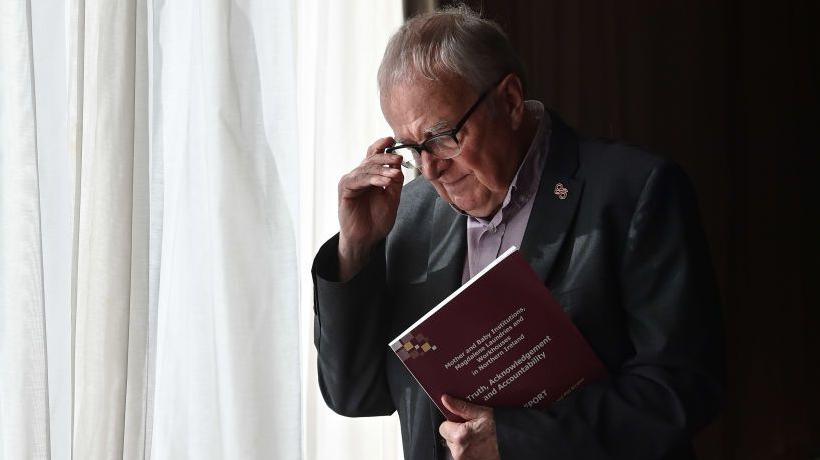 Image source, Getty Images
Prof Phil Scraton said victims and survivors "have to be front and centre"
Prof Phil Scraton, from Queen's University Belfast, was part of the group that set out the terms of reference for the panel.
He said: "The important thing to remember is that it takes time to gather evidence.
"We're talking about decades of involvement in the institutions that has to be uncovered."
He added that it is a "long and comprehensive process" and victims and survivors "have to be front and centre".
He said that an integrated truth investigation takes evidence carefully and respects views of the victims and survivors.
"The idea that you have an independent panel preceding a statutory public inquiry is absolutely crucial.
"Statutory public inquiries are all fine and well, I've had so much experience of them. And I think that the problem with them is that people come before them, they give their testimonies and those testimonies are literally cross-examined."