 2 hours ago
2
2 hours ago
2
Updated July 3, 2026 — 4:09pm,first published 1:29pm
The virulent strain of bird flu that has devastated wildlife and the poultry industry around the world has arrived in NSW, with the H5N1 virus found in a dead seabird on the Mid North Coast.
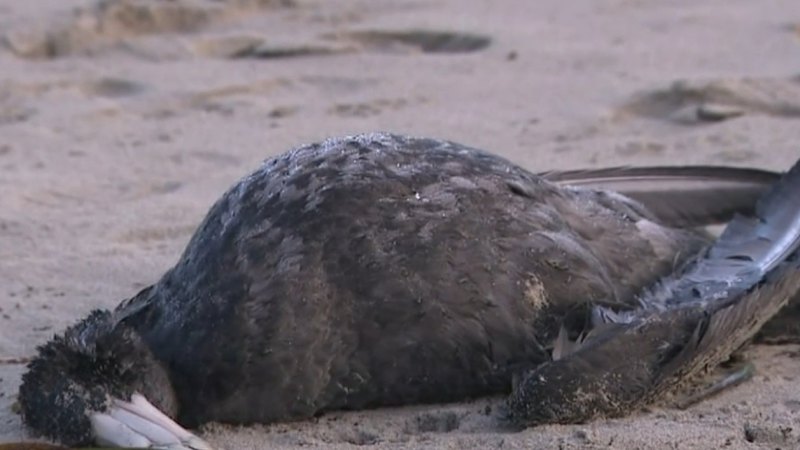
Preliminary testing detected H5N1 in samples from a dead giant petrel found in Hawks Nest, and the CSIRO is undertaking further testing to confirm whether it is the worst strain of the virus. This marks the seventh case in Australia – five in Western Australia including another suspected case announced on Friday and one in South Australia – all from seabirds flying up from the sub-Antarctic region.
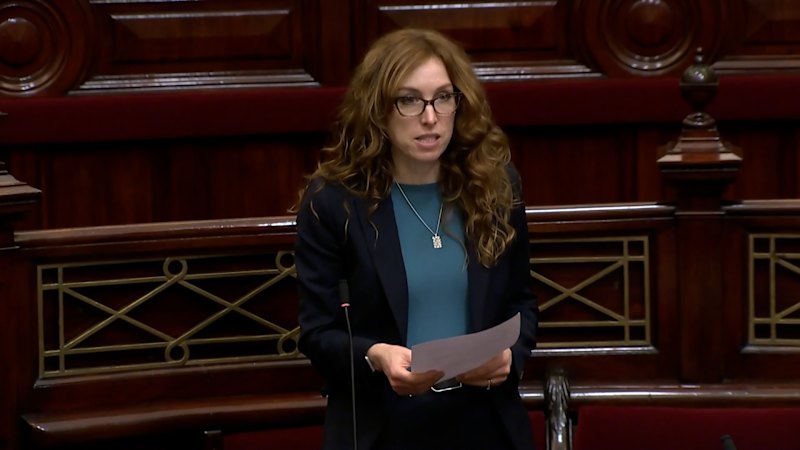
NSW Agriculture Minister Tara Moriarty said the risk to humans remained low and that the poultry industry had been briefed. Mandatory precautions would not be necessary unless the virus started transmitting in the wild bird population, Moriarty said, but the state government’s $10 million investment in surveillance would be dialled up.
“Over 500 people are now working on surveillance, so they’re checking this area of the state – around Hawks Nest and the Mid North Coast – and other high-risk parts of the state, looking for birds,” Moriarty said.
“That includes fisheries officers over the water, that includes people in national parks, that includes people in agriculture looking for birds that might look ill, so that we can see if there are any more [cases]. That surveillance has been increased now and will continue over the weekend.”
Bird flu had not been detected in commercial poultry flocks, captive birds or any other birds in NSW, and consumers should not panic-buy chicken or eggs, she said.
An outbreak of H5N1 in Australia would be an environmental disaster pushing dozens of species to the brink including black swans and Australian fur seals.
The Albanese government committed $113 million to preparations to deal with an H5N1 incursion, with an emphasis on planning to swiftly identify an outbreak and responding to limit its spread. This includes teams to remove carcasses of infected animals and stopping farmed poultry from mixing with wild birds.
Although the virus has been circulating in the northern hemisphere for decades, it flared up in North America in 2022 and has since spread to every continent on Earth except Australia – until now. In South America it killed tens of thousands of sea lions, including 18,000 pups in one colony of elephant seals alone, and more than half a million birds.
It is believed the virus has spread rapidly in seabirds around the bottom end of the world, starting from South America, moving to the sub-Antarctic South Georgia island, another 5000 kilometres to Crozet and Kerguelen Islands, then more than 400 kilometres to Heard Island.
Tests show that at least some of the infected birds that have landed in Australia have had contact with a strain of the virus on Heard Island, where it has killed thousands of elephant seal pups as well as gentoo penguins.
The first cases in Australia were an infected brown skua and giant petrel found in south-western Western Australia last month. On Friday, the Western Australian government announced another suspected case in Mullaloo, a metropolitan Perth beach.
Dr Jo Coombe, the NSW Chief Veterinary Officer, said there was a vaccine, not made in Australia, but it was reserved for endangered animals if an outbreak in the wild occurred.
Members of the public are advised to avoid contact, record by taking photos or video and marking the location, and reporting to the Emergency Animal Disease Hotline on 1800 675 888. The dead bird in Hawks Nest was reported by a member of the public who followed this advice.
The main symptoms were birds that look lethargic, showing respiratory signs such as watery eyes or difficulty breathing, and sometimes signs of paralysis or difficulty walking, Coombe said.
Humans can catch H5N1 from birds and animals, but it is generally not a dangerous illness for humans and there have been no cases of human-to-human transmission. However, there have been mammal-to-mammal cases including in dairy farms in the United States, fur farms in Europe, and marine mammals in South America and the Antarctic regions.
Coombes said the NSW government had prepared by mapping normal migratory patterns of birds all over the state, including birds that fly between Australia and Indonesia. However, the arrival of birds from the sub-Antarctic was “a bit of an anomaly”, she said.
“With the giant petrels, these are migratory seabirds that don’t typically make land, unless of course they are sick or something wrong with them, and obviously this was the case,” Coombe said.
“The advice from the Bureau of Meteorology, who have been working with the Commonwealth government, is that there have been some weather events that actually may have meant that they’ve gone a little off course, and that’s why they’ve ended up so much closer to the Australian coast.”
While only seven cases of bird flu have been detected in Australia, it is highly unlikely that those birds found with the virus are the only ones that have landed on the nation’s 34,000 kilometres of coastline.
Invasive Species Council policy director Dr Carol Booth said authorities were detecting cases quickly and responding rapidly, but surveillance alone would not save wildlife.
“We are urgently calling on the Albanese government to invest $200 million in a wildlife resilience package that would accelerate feral cat and fox control, restore habitat, protect important breeding sites and expand threatened species recovery programs,” Booth said.
Julia Davies of JD’s Backyard Hens has thousands of hens in Medowie near Hawks Nest that are netted off to avoid contact with wild birds. On top of her usual precautions, she plans to avoid all beaches for now.
“You’ve got to be sensible about it, but without freaking out,” she said. “If you go and spend the day at the beach, you need be aware if you’re going to walk back home into your chook pen, you could potentially drag it back home.”
Get to the heart of what’s happening with climate change and the environment. Sign up for our fortnightly Environment newsletter.