2 months ago
36
2 months ago
36

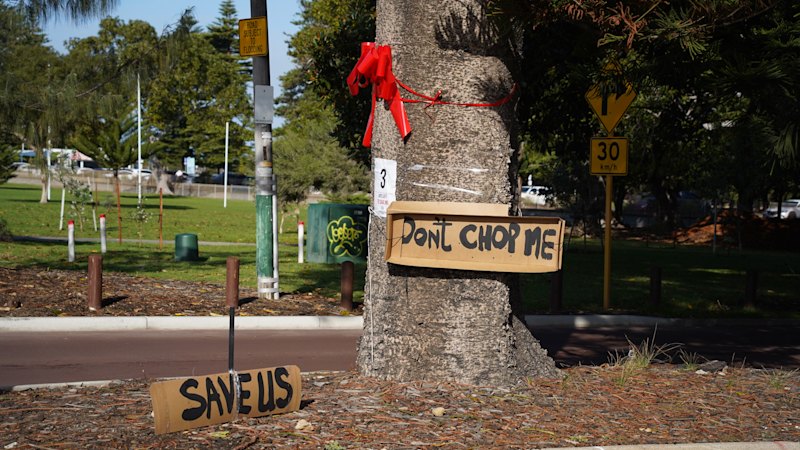
Victoria’s top public servants urged the Andrews government in its first days in power in 2014 to end loss-making native forest logging in East Gippsland, a decade before Labor was forced to do so.
The advice, included in confidential Cabinet documents from December that year obtained by this masthead, calls on the nascent Labor administration to make a “priority” of closing down its logging operation.
“Transitioning out of native timber harvesting in East Gippsland would stop the state’s economic losses from this operation and cease unproductive clearance of this sensitive area,” senior bureaucrats advised then premier-elect Daniel Andrews just days after his upset election victory over the one-term Coalition government.
In late 2019, Andrews announced that native forest logging would end by 2030. The deadline was later brought forward to the end of 2024.
While the move was welcomed by conservationists, praise was tempered by the decision being forced on the government by court rulings about endangered species protection, diminishing timber supply and bushfires.
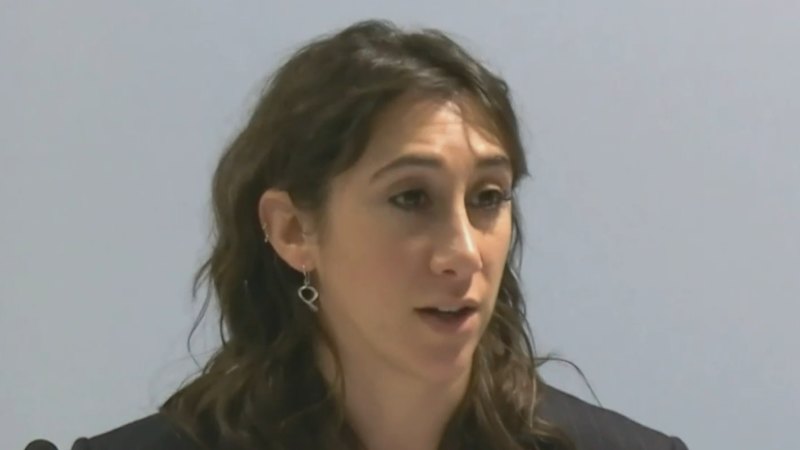
“These Cabinet documents demonstrate that the government had the opportunity and the authority to act a decade ago to protect Victoria’s precious forests and avoid years of court battles,” said Environmental Justice Australia senior lawyer, Natalie Hogan.
“Instead, it ignored clear advice and continued to destroy native forests under pressure from a small cabal of logging and woodchipping companies.”
The 800 pages of Cabinet documents, obtained through a rarely used provision of the Freedom of Information Act, reveal the behind-the-scenes workings of the young Labor government as it prepared to implement its election promises, and the high-level, confidential advice it received in its first weeks in office.
Under the cover of Cabinet confidentiality, the state’s top public servants speak frankly, including about the concerns for the natural environment, and taxpayer dollars.
They highlight the extent of historic deforestation, noting that Victoria had experienced “the most native forest clearance in Australia” resulting in “61 species having been made extinct and thousands more endangered”.
In the government-wide brief to incoming governments known as the “red book”, senior bureaucrats provide background advice on each portfolio and on the implementation of policy commitments.
They explain that native logging was not only environmentally damaging but that the government’s forestry business, VicForests, was generating only “marginal return” in some regions; the East Gippsland forestry operation was losing $5 million to $6 million every year.
“Continuing a shift away from native timber harvesting in Victoria will help protect endangered species and biodiversity for future generations,” the red book reads, noting that forests are essential for the protection of endangered species, including the Leadbeater’s possum (Victoria’s faunal emblem) and Powerful Owl.
As the Labor government seeks a fourth consecutive term in November, under Premier Jacinta Allan, the logging saga reflects its mixed environmental record overall.
Just days before the 2014 poll, Labor released a dedicated environment policy including a promise to slash carbon emissions and end the state’s reliance on cheap brown coal for electricity.
After a conservative state government lukewarm at best about climate change, and under a climate-hostile federal government led by Tony Abbott, the ALP’s Our Environment, Our Future policy offered a breath of fresh air.
For many observers, the government’s record on emissions and renewables stands out as its main environment policy achievement since then.
Labor gave Victoria among the most ambitious emissions reduction targets in the developed world. It was the first Australian government – state or federal – to set targets at all.
By 2023, total emissions had dropped by over 31 per cent since 2005 and Victorians emitted less greenhouse emissions per person than the national average; renewable energy generation now contributes almost half of Victoria’s electricity mix, exceeding the 2025 renewable generation target
Environment Victoria has been impressed by the government’s commitment to emissions reduction and renewables.
“They’ve put in place a pretty comprehensive plan for managing the transition from coal to renewables,” said the group’s chief executive, Jonathan La Nauze, “taking what was one of the dirtiest electricity systems in the developed world to 95 per cent renewable energy by 2035.”
But environmental groups and experts are much less complimentary about Labor’s handling of non-energy, environmental matters.
The 2014 Cabinet briefs warn that the conservation status of many threatened species “continues to decline, with pest, plant and animal species threatening biodiversity and ecosystem health”.
If anything, biodiversity and ecosystem health is in a worse state now than in 2014.
In 2021 the Auditor-General Andrew Greaves found that the government was unable to show it had halted the decline in threatened species; at the time there were action plans to protect just 20 per cent of the state’s 2000 threatened species.
In 2023 the State of the Environment report found that more than three quarters of assessments of biodiversity had deteriorated since 2018 or remained unknown.
Deakin University wildlife and ecology professor Euan Ritchie said: “Decades of conscious neglect by successive LNP and Labor governments, state and federal, mean that Victoria’s biodiversity is overall in a parlous state.”
The Age sought comment from Allan about why the government took so long to act on native forest logging in Gippsland. She did not respond.
On its wider environmental record, a government spokesperson noted that Labor had added 6500 hectares of new parkland with three new national parks across the state, and protected the environment and farm land by banning fracking in the constitution.
The spokesperson said Labor had introduced stronger EPA powers, banned single-use plastics, and made recycling easier through the Container Deposit Scheme.
Start the day with a summary of the day’s most important and interesting stories, analysis and insights. Sign up for our Morning Edition newsletter.