 3 months ago
66
3 months ago
66

Brisbane has recorded a boom in food trucks and coffee carts popping up in public spaces after council overhauled the industry with a seven-fold increase in operating locations.
But business owners are divided over the scheme, with some complaining it is more expensive and onerous than the previous system.
Brisbane City Council is touting the success of its Food Trucks and Coffee Carts in Parks program, with nearly 2900 vendor bookings and more than 17,000 hours of trade since it launched in July.
“We’re proud to provide more ways for local operators to trade, while creating more to see and do right across our suburbs,” Lord Mayor Adrian Schrinner said.
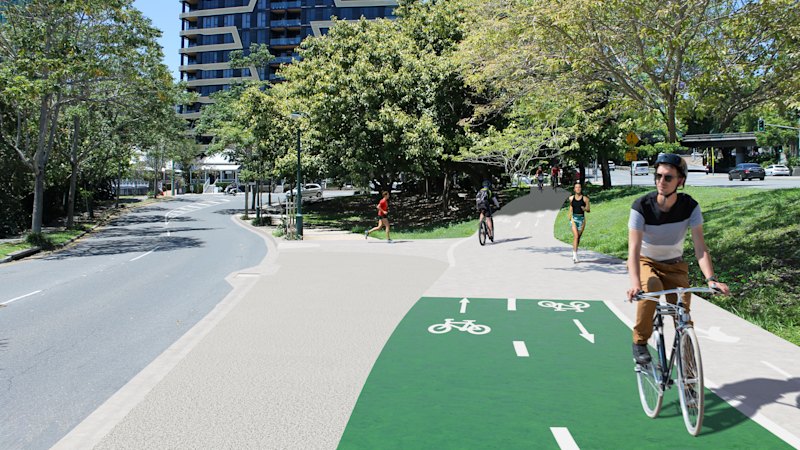
The number of council-approved trading sites had expanded from 13 to 98 across the city in eight months, with Wynnum Wading Pool, Les Atkinson Park in Sunnybank and Kangaroo Point Cliffs Park among Brisbane’s most frequently booked food truck sites.
Council said the new “streamlined” system included a Brisbane Food Trucks website featuring an interactive map to make them easy to find.
Montica Pizza owners Tilan Rajapakse and Monique Forster said they liked how the program was working.
“It allows us to bring our food directly into neighbourhood parks, which is exactly where we love to be,” the pair said in a statement.
“The new website makes it easy to book sites and gives us access to more locations across Brisbane.”
The new system uses three tiers to restrict trading areas. These cost $450, $1650 or $2200 per year, with better and more numerous trading locations available to those who pay the higher price.
Businesses must also pay a $160 application fee that must be renewed annually.
Sam Benjamin, who runs the Recharge Coffee truck in Minnippi Parklands, Carina, said when he was told about the new system last year, he immediately realised it would not suit coffee carts that rely on repeat business.
“Not only was it more expensive, but your access was restricted,” he said.
“So you weren’t given a six-month permit in a place. You were basically told you could only ever book six weeks in advance, and you had three slots during the day that you could book once a week.
“I was open six days a week, and now you’re telling me I’m allowed to open for one day a week for three hours?”
After petitioning council, Benjamin was allowed to continue operating six days a week under the previous Parks Activation program.
Headland Coffee cart owner Daniel Kavan joined last year on the Tier 1 scheme for $450, plus the joining fee.
“A lot of the spots that were in that level one were just really crappy, like really quiet parks, or spots in parks away from the playground and the sports field,” Kavan said.
“The first one that I did, I sold one can of Coke for the three hours I was there.”
Kavan said the council agreed to give him a pro rata refund on his licence.
Business continuity was another problem cited by vendors.
“If you’re used to trading at a particular spot and your customers have gotten used to seeing you there, there’s nothing really to stop someone else beating you to booking that spot,” Kavan said.
A council spokesperson said the multi-tier system had been implemented based on feedback from local businesses.
“We’ve also made further changes to accommodate additional requests from vendors for more drive-up sites,” the spokesperson said.
“We’re always happy to take feedback on board.”
Other business owners complained that the website did not list all the participating traders, as before, and only showed the trucks trading on any given day.
The previous system allowed the public to see and privately book all the vendors signed up to the council’s scheme.
The council spokesperson said they were “currently planning to incorporate” a full list into the new website.
Sixty-four vendors had signed up since July 2025.
Get alerts on significant breaking news as it happens. Sign up for our Breaking News Alert.