 3 hours ago
3
3 hours ago
3
July 12, 2026 — 5:01am
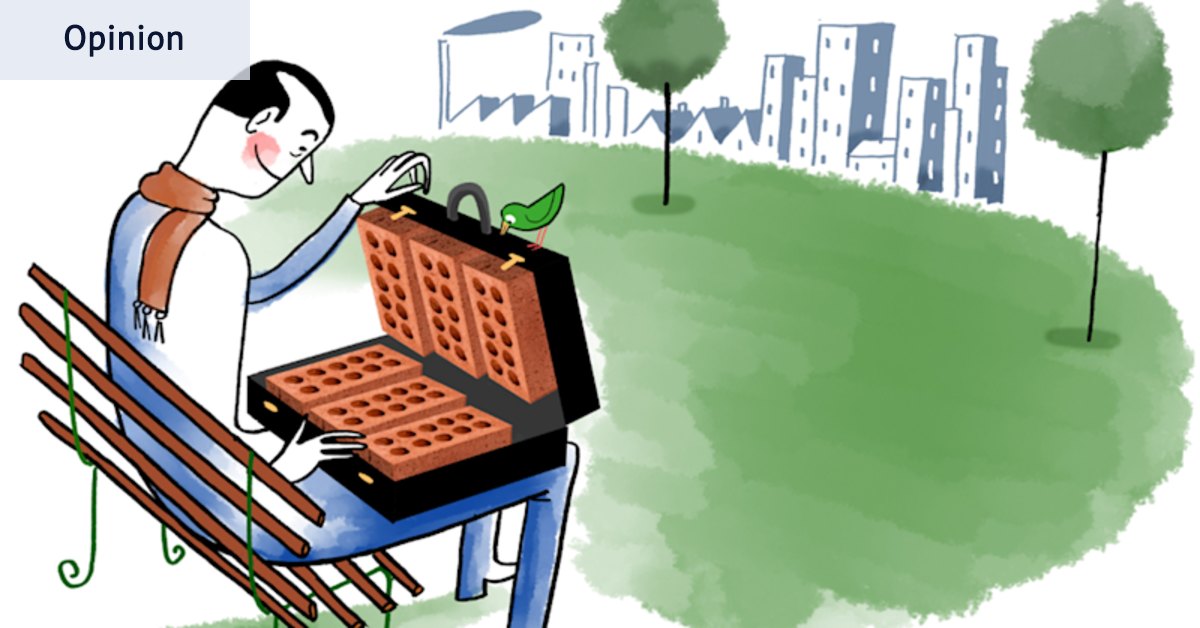
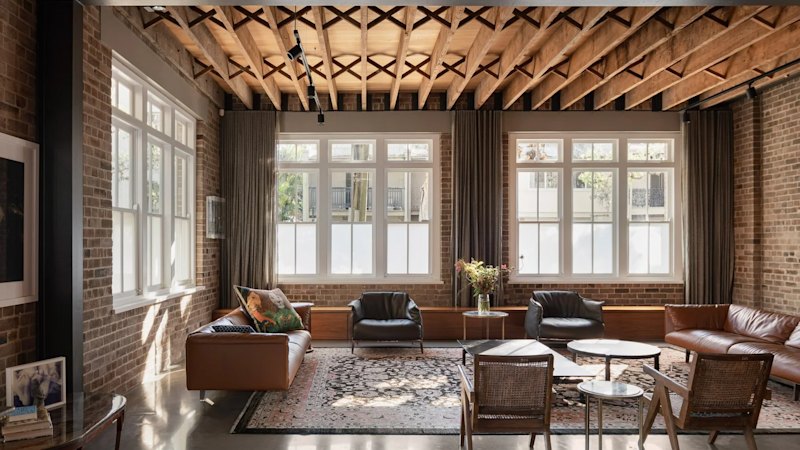
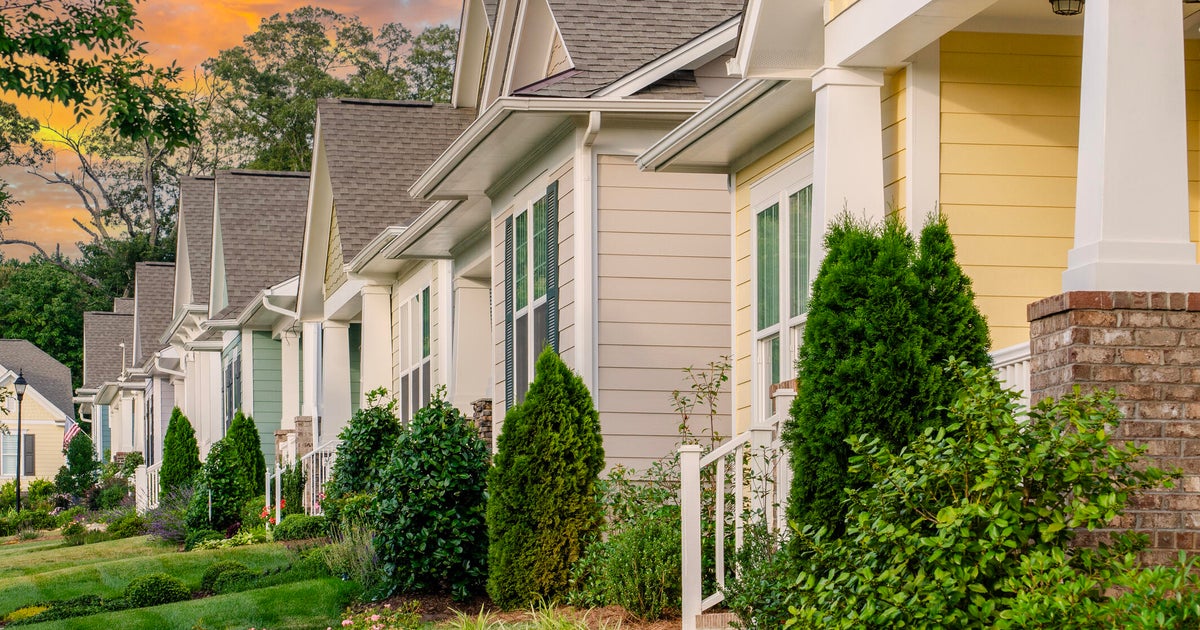
While the bells and whistles of the great Australian dream might differ for everyone, the broad picture always looks the same: a comfortable-sized home for a family to call their own, usually with one or two cars parked in the driveway and a backyard sizeable enough for the kids to run around after school.
To its core, the dream is one of middle-class aspiration. But of late there’s been much discussion about this cohort of Australians and whether the dream risks disappearing – either through the boom in artificial intelligence putting all our careers at risk, or through sheer unaffordability.
While concerns about the end of this era may be warranted in some respects, to my mind it’s actually a tale of two middle classes and the divide emerging within existing divides.
There’s no definitive definition of specific “classes” in Australia, but economists generally agree that a person’s income, assets and profession tend to delineate the top, middle and lower brackets.
Using Household Income and Wealth data from the Australian Bureau of Statistics, KPMG recently found that those with a net wealth – including property, superannuation, savings, share portfolios and other assets – of less than $300,000 constitute as lower or working class.
Those with between $300,000 and $900,000 are deemed to be middle class, and those with between $900,000 and $1.6 million are upper class, while anyone with $1.6 million is in the “elite”.
Property is the single most important key to enjoying long-term financial comfort in this country.
Before moving on, I want to say that whichever bracket you find yourself in, it’s entirely possible that you feel like you’re not a part of that group; and if you are lucky enough to find yourself at the top, I’m not negating any hard work or sacrifice that got you there. But let’s return to the crisis of the middle class.
To be part of what most people would consider to be the quintessential Australian middle-class club, there are two things you need above all else: a healthy income, and a certificate of title to your very own home.
Recently, however, a second-tier within the middle-class cohort emerged. These are people who earn what would be considered comfortable middle class annual salaries of $70,000 to $120,000 but who don’t have the kind of asset security that previous generations would have – largely due to property prices and general increases in the cost of living that have made saving up that all-important deposit harder than ever.
While on paper these people may look middle-class thanks to their job titles and incomes, the property element is not there.
To understand where things began to go wrong, we need to go back to the 1990s. It’s all the way back then that data from the Household, Income and Labour Dynamics in Australia (HILDA) survey shows income inequality began to rise due to the distribution – or lack thereof – of those two essential ingredients.
From an income perspective, the problem looks like this: back in the mid-1990s, the top 10 per cent of earners in Australia had an income that was about six times more than the bottom 10 per cent.
Today, that figure is now eight times more. In part, that’s because income growth hasn’t been evenly distributed over the past three decades, with wages growing in a median sense but actual gains heavily favouring those already at the top, in higher earning positions.
Combine this rise in both income and assets and the picture becomes clear of an emerging gap where those with a high salary and property continue to trend upwards, while those without trend downwards. And just as with most things in life, the longer a problem persists and the wider that gap becomes, the harder it is for those at the lower end to catch up and close it.
If things started to go bad in the ’90s, they ramped up dramatically after COVID. In its ABS analysis, KPMG found that, on average, Australia’s household wealth climbed a staggering 24 per cent between the 2019-20 period and 2024-25 (from $1.26 million to $1.56 million).
Yet when you take a look at median wealth, a very different picture emerges. Median household wealth in 2019-20 was $701,000; it had fallen to $700,000 by 2024-25.
The data also shows that over the span of a decade (from 2014-15 to 2024-25), the number of Australians in this middle-class bracket shrank from 34 per cent of the population to 28 per cent. Historically, the middle class grew because younger people were coming in and buying property, which as I mentioned, is a huge contributor when it comes to asset wealth.
An ABS report from earlier this year also shows that in 2025, Australians were more likely to experience greater financial stress than they did in 2020, with one in five (21 per cent) saying they had faced at least one cashflow problem in the year prior. One in four (25 per cent) said they were unable to access $2000 in savings on short notice.
What this tells us is what so many people already know: working hard and earning a good salary is one critical piece of the puzzle when it comes to wealth. But property is the single most important key to enjoying long-term financial comfort in this country.
As I wrote last month, property was the second-highest wealth generator among those on The Australian Financial Review’s annual rich list this year, coming in second only to mining.
The truth is: once you’re lucky enough to find yourself on the property ladder, your asset wealth is probably going to start increasing, and quickly. But getting your foot on that first rung has never been harder.
As to what that means for the middle class and the future of the great Australian dream, that remains unclear. On the one hand, maybe it’s time to reduce the vision of a family home to a relic of the past and say it’s no longer fit for modern purpose.
On the other hand, you have to wonder who would benefit from that, and why the reward for decades of hard work should be having little or nothing to show for it.
Victoria Devine is an award-winning retired financial adviser, a bestselling author and host of Australia’s No.1 finance podcast, She’s on the Money. She is also founder and director of Zella Money.
- Advice given in this article is general in nature and is not intended to influence readers’ decisions about investing or financial products. They should always seek their own professional advice that takes into account their personal circumstances before making any financial decisions.
Expert tips on how to save, invest and make the most of your money delivered to your inbox every Sunday. Sign up for our Real Money newsletter.